Gaco Acrylic Roof Coating Systems Guide

How GacoFlex acrylic products, seam materials, primers, preparation, coverage, drying conditions, and inspection form a complete restoration system.

Understanding the Gaco acrylic coating route

Gaco’s acrylic roofing range includes GacoFlex A47, A48, A4121, 127 Series, 129 Series, and accessory products. Acrylic coatings can restore eligible weathered roof surfaces and provide a reflective finish, but their suitability depends on drainage, substrate condition, previous coatings, preparation, and the application weather window.

This guide organizes the condition, system, installation, and maintenance questions that should be resolved before quotation.
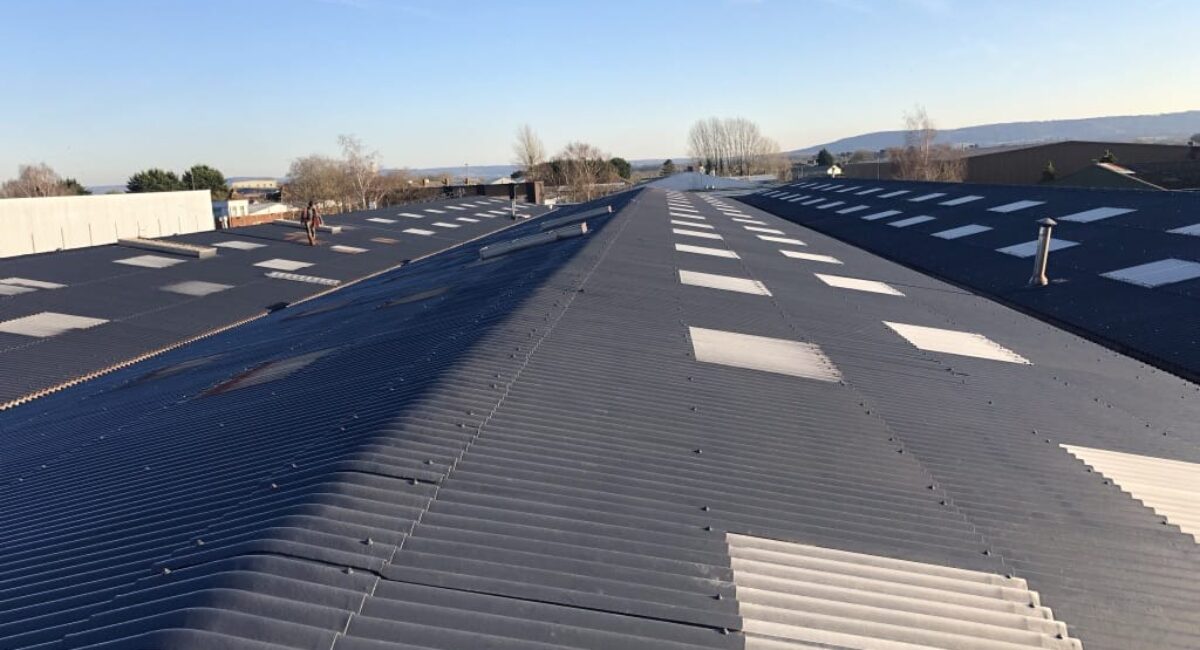

commercial roof coating contractors

Decision guide

Gaco acrylic coating options

Gaco describes its acrylic coatings as water-based, reflective restoration materials. The current range includes multiple finish products plus seam, primer, and accessory materials. GacoFlex A47 is published for sound spray foam, aged asphalt, metal, and aged single-ply surfaces, with limitations for low-slope or ponding-water exposure.

The chosen product and specification should match the roof rather than treating every acrylic pail as interchangeable.

Manufacturer reference: Gaco acrylic roof coating product family.

Decision guide

Candidacy depends on drainage and condition

Review slope, drainage, ponding history, roof material, previous coatings, moisture, adhesion, surfacing, seams, flashings, penetrations, repairs, and the condition of insulation and deck where relevant. Existing silicone and areas prone to standing water can change the coating route.

The survey should also identify coastal contamination or corrosion where applicable, cleaning requirements, and suitable dry-weather periods for water-based material.

Decision guide

A complete Gaco acrylic restoration scope

Survey and adhesion checks

Confirm the substrate, previous materials, moisture, drainage, defects, and preparation required for reliable bonding.

Cleaning and primer

Prepare the roof and use the specified rust, bleed, or substrate treatment where required.

Seam and detail treatment

Repair and reinforce seams, laps, fasteners, penetrations, flashings, drains, and transitions.

Acrylic finish application

Apply the selected GacoFlex coating at specified coverage with suitable drying time and inspection.

Decision guide

Weather controls for water-based acrylics

Temperature, relative humidity, dew, roof-surface temperature, wind, and forecast rain all affect drying. Daily work zones should be sized so details and finish coats reach the required condition before changing weather.

Stop-work criteria and recoat timing should follow current product data and be included in the installation plan.

Decision guide

Preparation and detail sequencing

Acrylic coating should follow cleaning, soundness checks, rust preparation where applicable, primer or base treatment, repairs, seam reinforcement, and completion of penetrations, flashings, perimeters, and drainage details.

The finished field surface should not hide unresolved movement, failed attachment, wet materials, or incompatible patches.

Decision guide

Coverage and inspection

The scope should state coat count, product, color, coverage or thickness requirement, drying conditions, and how quantities will be verified. Irregular surfaces, corrugations, laps, and reinforced areas can consume material differently from a flat field.

Daily material use, photographs, completed-area records, and punch-list checks support a clear handover.

Decision guide

When silicone, recover, or replacement may fit better

Silicone may be considered where the roof and current specification require greater ponding-water tolerance or different cure behavior. Recover or replacement may be more responsible where moisture, substrate condition, attachment, drainage, or incompatible existing materials prevent a reliable coating restoration.

Compare complete scopes rather than product price alone.

Decision guide

Maintenance of acrylic-coated roofs

Maintain clear drainage and inspect seams, flashings, penetrations, traffic areas, rooftop equipment, and repaired locations. Address damage with compatible materials after cleaning and preparation.

Keep product data, photographs, inspection notes, and repair history so future recoating decisions start with accurate records.

Frequently asked questions

Gaco Acrylic Roof Coating Systems FAQs

Can any commercial roof be coated?

No. The surface must be compatible and sound, with moisture and existing defects addressed before the proposed coating is applied.

Will coating repair holes or loose panels?

No. Damaged metal, failed connections and other defects need their own repairs before coating.

Can a new coating go over an old coating?

Only where the old finish is suitable to remain. Adhesion, contamination and compatibility checks help establish the preparation required.

Is silicone always better than acrylic?

No. Product choice depends on the substrate, exposure, application conditions and future maintenance. Compare the specified system for your roof.

Does ponding-water resistance mean drainage can be ignored?

No. A coating does not increase drain capacity or correct the roof's fall. Persistent standing water still needs investigation.

Why do two coating quotes differ so much?

Preparation, repairs, primer, detail reinforcement and finished thickness can vary substantially. Compare those items as well as roof area.

Can the coating be applied in any weather?

No. Roof temperature, surface moisture, rain and curing conditions must fall within the selected product's limits.

Will a reflective coating reduce our energy bills?

It may reduce solar heat absorbed by the roof. Actual building savings depend on insulation, climate, HVAC use and other conditions.

Is an extra 10 or 20 years guaranteed?

No general lifespan promise applies to every roof. Review the actual proposed work and the terms of any applicable written warranty.

What information is useful before a coating survey?

The address, known roof material, existing coating name and current defects. Old product records and photographs help if available.

Move from guidance to property information

Discuss the commercial roofing decision for your facility

Share the property address, known roof information, current concern, and available project documents so the next step can be defined around the building.

Discuss Your Project

UK refurbishment experience, a Texas office

Refurbishment specialists

Our business grew through roof and cladding refurbishment in the UK. That experience shapes the work we now offer from our Texas office.

Repair what can be retained

We investigate the roof problem and explain what can be repaired, restored or replaced, so you can decide how to invest in the building.

Roofing and cladding together

We can coordinate roof, insulation, wall panel and drainage work, including the connections where separate repairs can leave problems behind.

A plan for your working building

We agree access, work areas and protection with your site team, including any restrictions needed while the roof is opened.