Industrial Roofing Services in Texas

Industrial roof repairs, restoration and replacement planned around equipment, production and site access.

Discuss Your Project

Industrial roofing

Roofing work planned around your industrial site

We repair, restore and replace roofs on industrial buildings across Texas. Our work starts with the roof’s condition and the activity beneath it, whether the property is a factory, processing building, engineering workshop or industrial unit.

A roof refurbishment needs to protect equipment and keep essential access available wherever the work allows. We discuss those priorities with your site team before deciding how the project can be delivered.
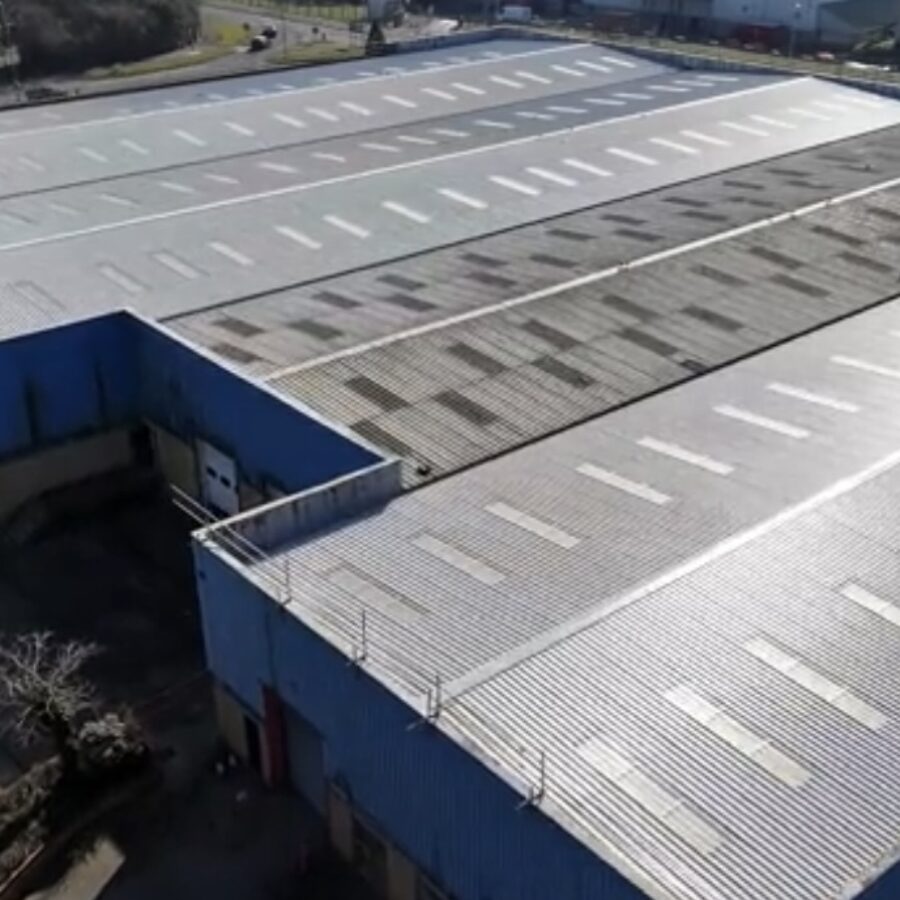

Aerial view of an industrial building roof with rows of skylights

Finding the cause of an industrial roof leak

Roof-mounted equipment, exhausts, service penetrations and connections between different roof areas can make the source of a leak difficult to locate. Water may travel before it appears inside, so the wet area below is a starting point for investigation.

We review the roof material, previous repairs and surrounding details. Where the problem may involve trapped moisture or a concealed part of the assembly, further investigation can be needed before a lasting repair can be specified.

Repair, restoration or replacement?

A local defect can often be repaired when the surrounding materials are sound. A wider restoration may suit a roof that needs preparation, detail repairs and renewed protection. Extensive deterioration or damaged layers beneath the surface can make replacement the more practical route.

We explain what each option would retain, remove and improve. The decision should reflect the building’s condition and your plans for the property, including any planned changes to equipment or use.

Planning around an operating site

Before opening a roof, we discuss the areas below with the people responsible for them. Production equipment, sensitive stock and occupied workspaces may require separate protection or a temporary change to operations.

Access for lifting and deliveries also needs to fit the site. We agree the working areas and discuss any shutdown needs early, so restrictions are part of the plan rather than a surprise when work begins.

Industrial roofing services

The proposed work can cover one roof area or a coordinated refurbishment across the building.

Industrial roof repairs

Investigate leaks and repair damaged roof materials, seams, flashings and penetrations where a local repair is appropriate.

Roof restoration and coatings

Restore a suitable existing metal or flat roof with preparation, necessary repairs and a compatible coating system selected for that roof.

Roof replacement and overlays

Compare replacement with a properly designed recover or overlay where the retained roof, supports and moisture condition allow that option.

Roof and wall upgrades

Coordinate insulation, insulated panels and cladding work where the refurbishment also needs to improve the wider building enclosure.

Metal and flat industrial roofs

Industrial buildings can have several roof types, including exposed-fastener metal, standing seam and low-slope membrane systems. The repair materials and connection details need to suit each one.

Where a new roof is proposed, we consider how it connects to the existing walls, drainage and rooftop equipment. An overlay needs a suitable supporting structure and attachment design; it is not simply another layer added over a failing roof.

Equipment, drainage and roof openings

Curbs around equipment, rooflights and service penetrations need as much attention as the main roof surface. Changes in roof height or insulation can also affect these connections during replacement.

We identify which roof details are included in the work and which need coordination with other trades. Mechanical and process equipment remains the responsibility of the appropriate specialist, with roofing work planned around those interfaces.

Working around production and storage

We agree which roof areas can be worked on while the site is operating and which need a shutdown. Where stock or equipment sits directly below an opening, we plan the protection or temporary move before starting that area.

Tell us about heat, moisture or other operating conditions that could affect the roof. Those details help determine the investigations, materials and protection arrangements the project needs.

Planning the next stage of the building’s life

If equipment changes, a lease event or a wider refurbishment is approaching, it helps to consider the roof at the same time. Repeated patch repairs may not be the best use of a budget when the building already needs a larger upgrade.

We can discuss the immediate problem alongside the longer-term work, keeping the proposed roof areas, limitations and options clear enough for your team to compare.

Talk to our team

Discuss your industrial roofing project

Contact our Texas team with the property address, current roof concern and any available photographs or drawings. Let us know about site access, operating hours and the timing you are working toward.

Discuss Your Project

Frequently asked questions

Industrial Roofing Services In Texas FAQs

Which industrial buildings do you work on?

Our industrial service covers buildings such as factories, processing premises, engineering workshops and industrial units. The roof and the operation below guide the work plan.

Can you investigate leaks around rooftop equipment?

Yes. We review the roof connections around equipment and penetrations, coordinating any equipment work with the relevant specialist.

Can production continue during a roof project?

Often some work can be phased around operations. Roof openings or work above sensitive equipment may require temporary restrictions or a planned shutdown.

Do you repair both metal and flat industrial roofs?

Yes. The repair method and materials need to suit the existing roof system and its condition.

When is restoration worth considering?

Restoration may suit a roof that remains serviceable after preparation and necessary repairs. Extensive deterioration or wet underlying materials can change that decision.

Can a new roof be installed over the existing roof?

Only where the retained roof, supporting structure, attachment design and moisture condition are suitable. We compare that option with removal and replacement.

Can insulation be upgraded at the same time?

An insulation upgrade can be considered as part of the complete assembly, including how the new roof connects to equipment, openings and drainage.

What happens if hidden damage is found when the roof is opened?

We explain the finding and any effect on the work, price or schedule. Changes to the agreed work are discussed before the affected area proceeds.

Can roof work be split into phases?

Yes, where the roof connections and protection arrangements allow it. Phasing can help coordinate work with production areas, access restrictions or a planned shutdown.

What helps you prepare for a site discussion?

The address, roof concern and any drawings or photographs are a useful start. Include operating hours, access restrictions and the areas most sensitive to disruption.

UK refurbishment experience, a Texas office

Refurbishment specialists

Our business grew through roof and cladding refurbishment in the UK. That experience shapes the work we now offer from our Texas office.

Repair what can be retained

We investigate the roof problem and explain what can be repaired, restored or replaced, so you can decide how to invest in the building.

Roofing and cladding together

We can coordinate roof, insulation, wall panel and drainage work, including the connections where separate repairs can leave problems behind.

A plan for your working building

We agree access, work areas and protection with your site team, including any restrictions needed while the roof is opened.

Roofing and cladding systems

Roofing systems and materials for Texas facilities

Rustoleum Logo
Sika Logo
Kingspan Logo
Morin Logo
American WeatherStar Logo
GAF Logo
TAMKO Logo
PAC-CLAD Logo
1

Tell us about the building

Start with the address and the roof or cladding problem. Photographs are helpful if you already have them.

2

Arrange a site visit

We review the affected areas and discuss how you use the building and what you want the work to achieve.

3

Review the quotation

Your quotation explains the proposed repairs or refurbishment, the areas included and the price.

4

Agree the work plan

We discuss timing, access, deliveries and protection with your site contact before work begins.

5

Complete the work

We carry out the agreed work and discuss any changes needed if opening the roof reveals additional damage.

6

Handover

We review the completed work and provide the care information and documents included in your project.