Commercial Roofing by Facility Type in Texas

Roof repairs and refurbishment planned around the people, equipment and goods your building protects.

Discuss Your Facility

Texas commercial and industrial properties

Roofing work planned around your building's use

The work needed on a roof depends partly on what happens beneath it. A leak above packaged stock, a restaurant kitchen and a production line can have very different consequences. Total Cladding and Roofing plans commercial roof repairs, restoration and replacement around the building’s use as well as the roof material.

Choose your facility type below, or contact us with the roof problem and the operations that need protection.
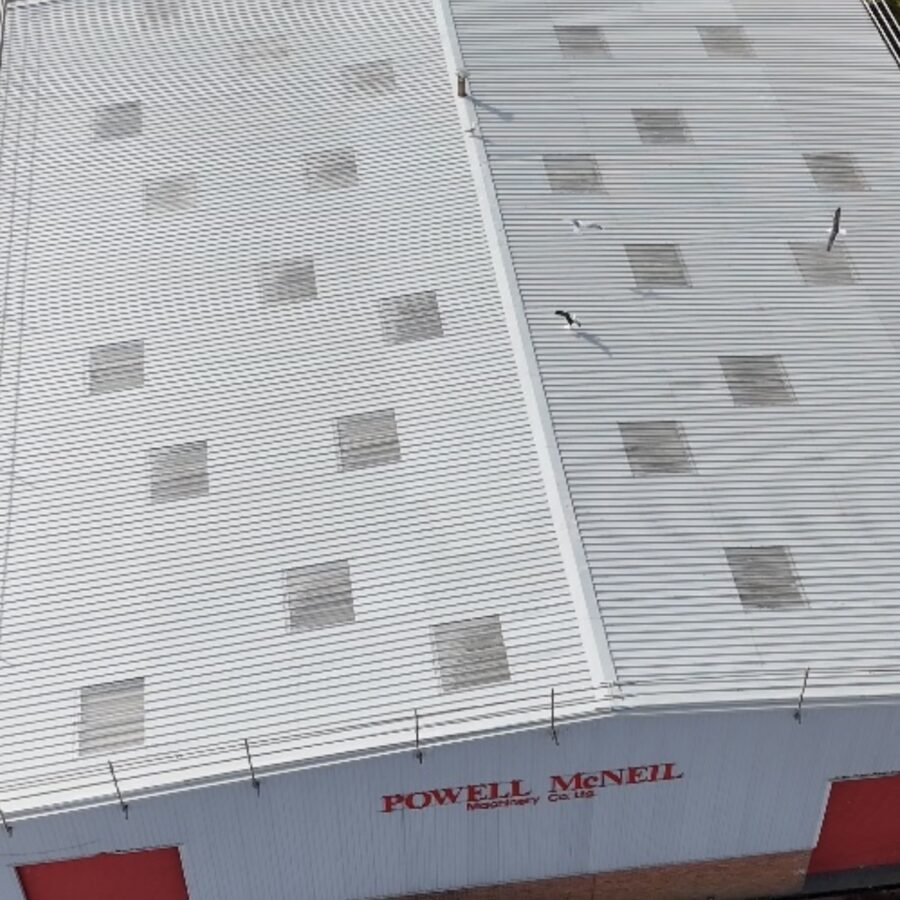

Aerial view of a refurbished industrial roof

Warehouses and distribution buildings

Loading docks, vehicle routes and stock locations affect roof access and the sequence of work. A roof survey can relate leak areas to the inventory or equipment below, while repair planning accounts for deliveries and material unloading.

Industrial buildings

Exhausts, process equipment and production schedules often control when roof work can take place. Some operations also introduce heat, moisture or contaminants that affect the roof. Early coordination helps establish which repairs can proceed during operation and which need a planned shutdown.

Retail properties

Roof leaks can affect sales areas, stockrooms and customer entrances. Work above a trading store needs attention to access, noise and protection below. On multi-tenant properties, one roof project may also involve several tenant contacts.

Offices and business parks

Leaks above occupied workspaces or electrical and IT equipment can require carefully phased repairs. Roof-mounted HVAC and air intakes also influence the work plan.

Agricultural buildings

Farm roofs protect machinery, feed, stored crops and livestock. Repairs and refurbishment need to account for moisture inside the building, seasonal access and the areas that must stay in use.

Temperature-controlled and sensitive spaces

Refrigeration, humidity control and cleanliness requirements affect how the enclosure can be opened and protected. The roof and panel joints need to fit those indoor conditions. Specialist operational requirements come from the facility and design team and are included when planning the roofing work.

The roof material still matters

Building use does not determine the roof system on its own. The existing deck, supports, insulation, drainage and roof openings influence which systems can be repaired or installed.

Planning across a property portfolio

A consistent record of roof areas, leak history and completed repairs makes it easier to compare priorities across buildings. It also shows whether repeated callouts relate to one unresolved detail or wider deterioration. Roof asset management can support this longer-term planning.

Talk to our team

Discuss roofing for your facility

Contact TCR with the property address and roof concern. Tell us which spaces or operations are most sensitive to disruption so they can be considered from the first review.

Discuss Your Facility

Frequently asked questions

Commercial Roofing By Facility Type FAQs

Can you help before we know which roofing service we need?

Yes. Describe the property and concern. A condition review can help determine whether the next step is repair, restoration or a larger project.

Does an old commercial roof always need replacement?

No. Condition, moisture and the extent of defects matter more than age alone.

Do you work on metal and low-slope roofs?

Yes. The existing system is identified so repair products, connections and replacement options can be assessed appropriately.

How is restoration different from replacement?

Restoration retains a suitable roof after repairs and treatment. Replacement removes existing roofing to install a new assembly.

Can a new roof be installed over the old one?

Sometimes, as a recover. Retained layers, moisture, structural capacity, attachment and clearances need assessment first.

Can our business stay open during roof work?

Often, but access, protection and interruptions depend on the work and the use of the space below.

Why can similar-sized roofs have different prices?

Removal, height, access, insulation, roof details and concealed damage can change the work substantially.

Can you quote from drawings?

Yes, where they define the work adequately. Existing buildings may still need a site review to confirm dimensions and condition.

Can the work be coordinated with our other contractors?

Roofing can be planned alongside equipment and building work. Share the relevant drawings and schedule before roof details are finalized.

What is the first step?

Send the address and current roof concern or planned project. State whether you need an inspection, initial budget or defined installation quotation.

UK refurbishment experience, a Texas office

Refurbishment specialists

Our business grew through roof and cladding refurbishment in the UK. That experience shapes the work we now offer from our Texas office.

Repair what can be retained

We investigate the roof problem and explain what can be repaired, restored or replaced, so you can decide how to invest in the building.

Roofing and cladding together

We can coordinate roof, insulation, wall panel and drainage work, including the connections where separate repairs can leave problems behind.

A plan for your working building

We agree access, work areas and protection with your site team, including any restrictions needed while the roof is opened.

Roofing and cladding systems

Roofing systems and materials for Texas facilities

Rustoleum Logo
Sika Logo
Kingspan Logo
Morin Logo
American WeatherStar Logo
GAF Logo
TAMKO Logo
PAC-CLAD Logo
1

Tell us about the building

Start with the address and the roof or cladding problem. Photographs are helpful if you already have them.

2

Arrange a site visit

We review the affected areas and discuss how you use the building and what you want the work to achieve.

3

Review the quotation

Your quotation explains the proposed repairs or refurbishment, the areas included and the price.

4

Agree the work plan

We discuss timing, access, deliveries and protection with your site contact before work begins.

5

Complete the work

We carry out the agreed work and discuss any changes needed if opening the roof reveals additional damage.

6

Handover

We review the completed work and provide the care information and documents included in your project.