Manufacturing Facility Roofing in San Antonio and Austin

Manufacturing Facility Roofing in San Antonio and Austin

We retrofit, reroof and reclad manufacturing plants in San Antonio and Austin, from older metal plants inside Loop 410 to newer production and tech buildings north of Austin. Aging roofs and equipment connections need attention, but the way the work is carried out matters just as much when production continues below.

We discuss the affected roof areas with your site team and identify the processes, machinery and access routes that need protection.
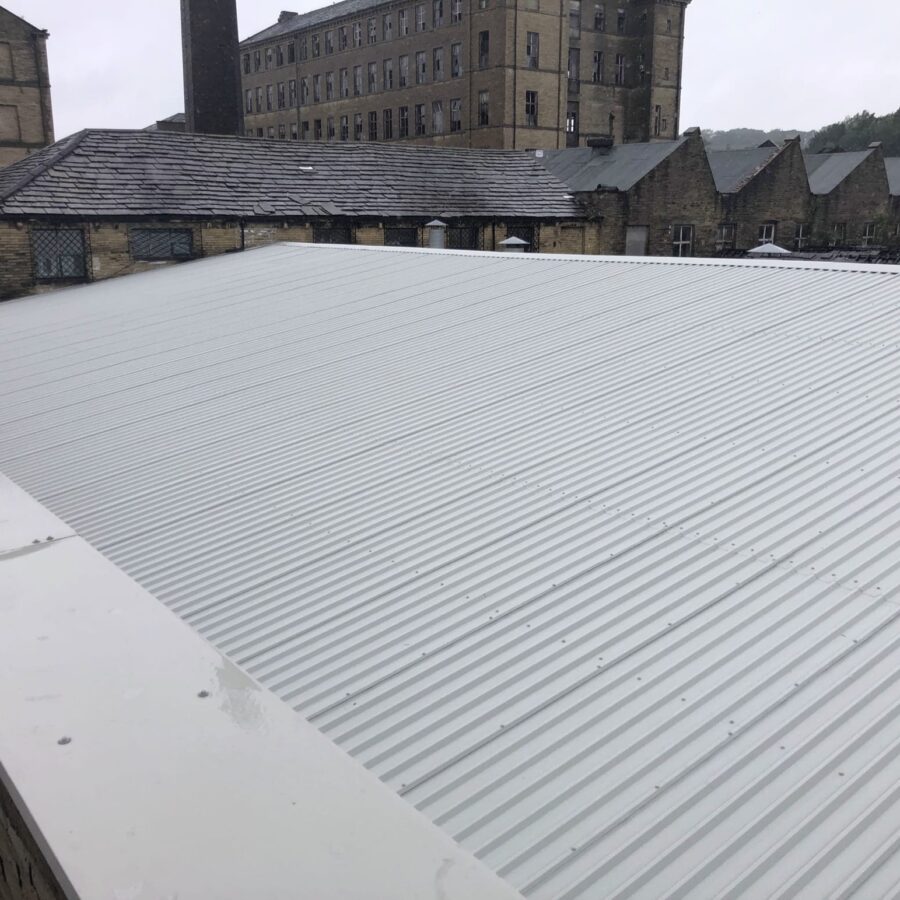

Sharmans Delcote metal industrial roof replacement

Leaks around production equipment

Exhausts, pipes, vents and equipment curbs create openings through the roof. We inspect the surrounding flashings and earlier alterations to find how water is entering. Equipment work is coordinated with the contractor responsible for the installation.

Heat and moisture inside the building

Internal conditions can affect a roof as well as the weather outside. Tell us about steam, heat, washdowns or condensation. Sealing an outside joint will not stop moisture forming on the underside of the roof. That needs insulation and a vapor-tight inner face, which a retrofit roof with new insulation or insulated metal panels can provide.

Choosing the extent of the refurbishment

Aging metal that is still sound can take a protective coating chosen to stand up to the fumes and heat from the process below. A roof that leaks across wide areas but still has good structure suits a retrofit over the top. Replacement becomes the answer when panels, insulation or supports can no longer be kept. We explain those findings before recommending the work.

Roofing services for manufacturing buildings

Metal roof retrofit

A metal roof retrofit puts sub-purlins and a new metal roof over the plant’s existing roof, built around stacks and curbs and planned so production can continue below.

TPO roofing

TPO roofing for low-slope plant roofs and office wings, with seams welded around pipe supports and equipment curbs.

Protective coatings

Rust and cut-edge treatment, then a protective coating suited to exhaust fumes and heat, on sound metal roofs and walls.

Insulated metal panels

Kingspan or AWIP insulated roof and wall panels for conditioned production space and areas where condensation drips onto product.

R-panel cladding and drainage

Replace worn R-panel walls and coordinate gutters and roof openings with the roof work.

Planning around production

We agree which work can proceed while the plant operates and which needs a shutdown or temporary separation. This includes protection beneath roof openings and access for lifting and deliveries.

Coordinating other trades

If an exhaust, duct or cable route needs moving, we plan the sequence with the responsible contractor. The roofing connection needs to be completed before that area is handed back.

Preparing for changes to the plant

New machinery or process equipment can mean new penetrations and different conditions below the roof. Let us know about planned changes so the refurbishment can accommodate them.

Discuss Your Project

Frequently asked questions

Manufacturing-facility Roofing FAQs

Can production continue while you work on the plant roof?

Usually, for most of the roof. We agree with your production team which areas can be worked while lines run and which need a shutdown window or temporary separation, then sequence the roof around those windows.

Heat and fumes from our process are damaging the roof. What helps?

First we find out what the roof is exposed to: heat, steam, oil mist or chemical fumes. A protective coating chosen for that exposure can keep sound metal in service. Where the panels are already corroding through, a retrofit roof over the old one is the lasting answer.

Water drips from the underside of our roof on dry days. Is that a leak?

Probably not. Dripping on dry days usually means condensation, where warm, moist air from the process meets a cooler roof sheet. Sealing outside joints will not stop it. Insulation with a vapor-tight inner face will, either in a retrofit roof or with insulated metal panels.

How do you deal with exhaust stacks and pipes through the roof?

We detail a new flashing or curb at every penetration as part of the new roof, whether that is a retrofit, R-panel or TPO roof. If a stack or duct needs moving, we sequence it with the contractor responsible for that equipment.

Does TPO roofing count as hot work on our site?

TPO seams are welded with hot air, not an open flame, but many plants still treat it as hot work. We follow your permit and fire-watch rules for welding, cutting and any other heat-producing work.

Can a retrofit roof go on over a plant with cranes or process equipment below?

Yes. The new sub-purlins and roof are fixed from above, through the existing roof into the purlins, so most of the work stays outside the building. We check crane rails and clearances and plan protection wherever fixings come through near equipment.

Which roof and wall system suits a conditioned or clean production area?

Insulated metal panels from Kingspan or AWIP. They give continuous insulation, a smooth cleanable inner face and controlled joints, which suits conditioned production, clean areas and spaces where condensation must not drip onto product.

We are installing new machinery soon. Should the roof work wait?

Plan them together. New machinery can mean new penetrations, exhausts and loads on the roof. If we know the layout before the roof is designed, the curbs and openings go in once, rather than being cut into a new roof later.

Who moves ducts, cables and pipework that cross the roof?

The contractor responsible for that equipment. We agree the sequence with them, keep the roof watertight while it is moved, and complete the roofing connection before the area is handed back.

Do you work on plants outside the two city centers?

Yes. We cover manufacturing buildings around both metros, from Seguin along I-10 east of San Antonio to Georgetown north of Austin, all planned and run from our office in Bulverde.

UK refurbishment experience, a Texas office

Refurbishment specialists

Our business grew through roof and cladding refurbishment in the UK. That experience shapes the work we now offer from our Texas office.

Repair what can be retained

We investigate the roof problem and explain what can be repaired, restored or replaced, so you can decide how to invest in the building.

Roofing and cladding together

We can coordinate roof, insulation, wall panel and drainage work, including the connections where separate repairs can leave problems behind.

A plan for your working building

We agree access, work areas and protection with your site team, including any restrictions needed while the roof is opened.

Roofing and cladding systems

Roofing systems and materials for Texas facilities

Rustoleum Logo
Sika Logo
Kingspan Logo
Morin Logo
American WeatherStar Logo
GAF Logo
TAMKO Logo
PAC-CLAD Logo
1

Tell us about the building

Start with the address and the roof or cladding problem. Photographs are helpful if you already have them.

2

Arrange a site visit

We review the affected areas and discuss how you use the building and what you want the work to achieve.

3

Review the quotation

Your quotation explains the proposed repairs or refurbishment, the areas included and the price.

4

Agree the work plan

We discuss timing, access, deliveries and protection with your site contact before work begins.

5

Complete the work

We carry out the agreed work and discuss any changes needed if opening the roof reveals additional damage.

6

Handover

We review the completed work and provide the care information and documents included in your project.