KARNAK Acrylic Roof Coating Systems Guide

How acrylic finish coats, substrate-specific base coats, repair materials, application weather, inspection, and maintenance form a complete restoration scope.

Planning a KARNAK acrylic restoration system

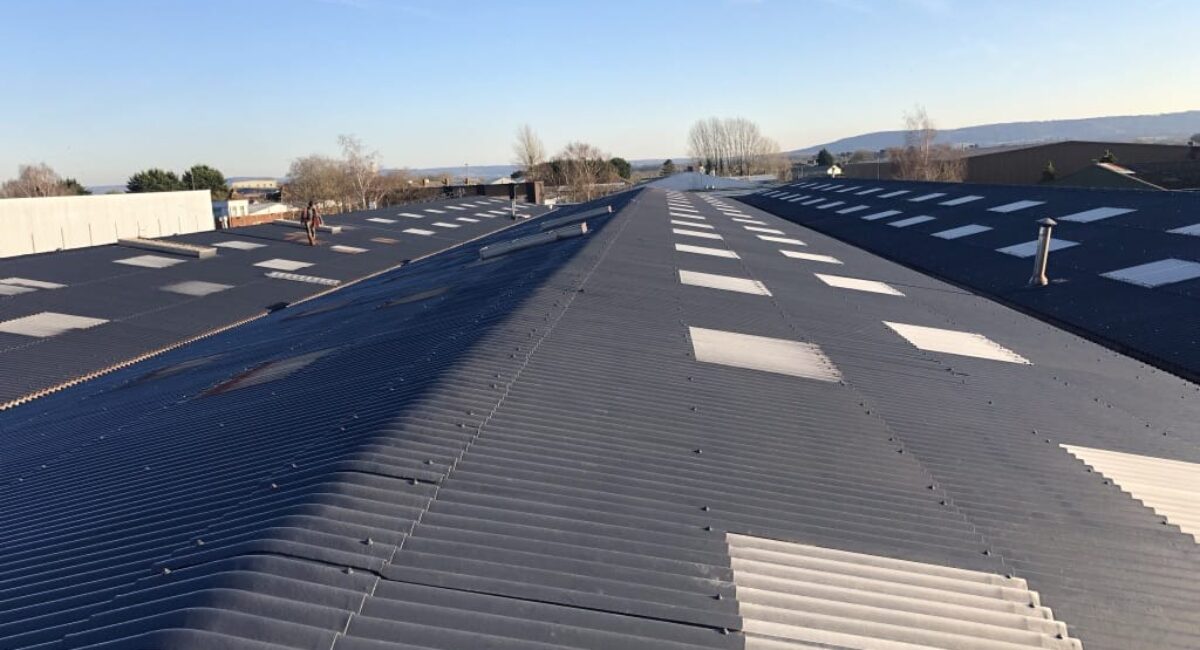
KARNAK publishes acrylic restoration routes for metal, single-ply, built-up, modified-bitumen, and spray-foam roofs. Products such as 501 Elasto-Brite and 505HS Mohave Coat are finish materials within larger systems that may also include cleaning products, repair sealants, reinforcement, and substrate-specific base coats.

This guide explains how to turn that product family into a property-specific commercial roof scope.

commercial roof coating contractors

Decision guide

KARNAK acrylic finish-coat options

KARNAK describes 501 Elasto-Brite as a premium 100% acrylic elastomeric coating for aged built-up roofing, weathered modified-bitumen membranes, and metal roofs. Its broader product range includes 505HS Mohave Coat and 529 Renu-White, with different product and system requirements.

The selected finish coat must be paired with the current substrate system and technical data rather than substituted into a generic coating specification.

Manufacturer reference: KARNAK 501 Elasto-Brite technical information.

Decision guide

Choose acrylic only after the roof review

The roof review should establish substrate identity, age and weathering, drainage, ponding history, moisture, existing coatings, adhesion, repairs, cracks, blisters, splits, seams, fasteners, penetrations, and flashings. Unsound or wet areas require correction before coating candidacy can be decided.

Acrylic application also depends on a suitable dry-weather window. Roof configuration, humidity, dew, temperature, and forecast rain affect daily production and cure.

Decision guide

A complete KARNAK acrylic scope

Cleaning and sound substrate

Remove contamination, loose surfacing, failed coatings, rust scale, and other bond-breaking conditions.

Repairs and reinforced details

Treat cracks, seams, laps, fasteners, penetrations, flashings, drains, and transitions before field coating.

Substrate-specific base coat

Select the published preparation layer for the roof material, adhesion, bleed control, or rust-control requirement.

Acrylic finish-coat system

Apply the chosen finish material at specified coverage with required drying time and inspection between coats.

Decision guide

Base coats are not interchangeable

KARNAK publishes systems using products such as 406 Tru-Grip and other substrate-specific base coats. The correct route depends on whether the roof is metal, TPO, PVC, Hypalon, EPDM, built-up roofing, modified bitumen, concrete, or spray foam.

Adhesion tests, surface weathering, and current manufacturer guidance should decide the base coat and finish assembly.

Decision guide

Metal roof work before acrylic coating

Document coating breakdown, corrosion, section loss, loose fasteners, failed washers, open laps, movement points, gutters, penetrations, ridge and perimeter details. Replace components that cannot provide a sound base and complete the specified rust-control, sealant, and reinforcement work.

The field coating should follow accepted detail work; it should not be expected to bridge moving or failed construction without the specified repair.

Decision guide

Application and drying plan

  1. Confirm the roof system, repair schedule, product data, weather limits, access, protection, and daily work zones.
  2. Clean the roof and complete adhesion tests, repairs, reinforcement, and the specified base coat.
  3. Allow required drying before applying finish coats at the specified coverage.
  4. Track material use, weather, completed areas, detail inspections, and punch-list corrections.
  5. Deliver the final roof plan, product records, photographs, and maintenance requirements.

Decision guide

Compare acrylic, silicone, recover, and replacement

Acrylic can be a responsible route for an eligible roof, but it should be compared with silicone where moisture and ponding exposure differ, and with recover or replacement where the retained assembly is wet, unsound, incompatible, or no longer supports the project objective.

The comparison should use the same condition evidence, area quantities, detail requirements, operational constraints, and closeout expectations.

Decision guide

Ongoing inspection and repair compatibility

Inspect drains, gutters, seams, flashings, penetrations, perimeters, traffic areas, rooftop equipment, and previous repairs. Record changes with photographs and exact locations so maintenance can be prioritized.

Future repair or recoating materials should be compatible with the existing acrylic system and applied only after cleaning, preparation, and adhesion confirmation.

Frequently asked questions

KARNAK Acrylic Roof Coating Systems FAQs

Can any commercial roof be coated?

No. The surface must be compatible and sound, with moisture and existing defects addressed before the proposed coating is applied.

Will coating repair holes or loose panels?

No. Damaged metal, failed connections and other defects need their own repairs before coating.

Can a new coating go over an old coating?

Only where the old finish is suitable to remain. Adhesion, contamination and compatibility checks help establish the preparation required.

Is silicone always better than acrylic?

No. Product choice depends on the substrate, exposure, application conditions and future maintenance. Compare the specified system for your roof.

Does ponding-water resistance mean drainage can be ignored?

No. A coating does not increase drain capacity or correct the roof's fall. Persistent standing water still needs investigation.

Why do two coating quotes differ so much?

Preparation, repairs, primer, detail reinforcement and finished thickness can vary substantially. Compare those items as well as roof area.

Can the coating be applied in any weather?

No. Roof temperature, surface moisture, rain and curing conditions must fall within the selected product's limits.

Will a reflective coating reduce our energy bills?

It may reduce solar heat absorbed by the roof. Actual building savings depend on insulation, climate, HVAC use and other conditions.

Is an extra 10 or 20 years guaranteed?

No general lifespan promise applies to every roof. Review the actual proposed work and the terms of any applicable written warranty.

What information is useful before a coating survey?

The address, known roof material, existing coating name and current defects. Old product records and photographs help if available.

Move from guidance to property information

Discuss the commercial roofing decision for your facility

Share the property address, known roof information, current concern, and available project documents so the next step can be defined around the building.

Discuss Your Project

UK refurbishment experience, a Texas office

Refurbishment specialists

Our business grew through roof and cladding refurbishment in the UK. That experience shapes the work we now offer from our Texas office.

Repair what can be retained

We investigate the roof problem and explain what can be repaired, restored or replaced, so you can decide how to invest in the building.

Roofing and cladding together

We can coordinate roof, insulation, wall panel and drainage work, including the connections where separate repairs can leave problems behind.

A plan for your working building

We agree access, work areas and protection with your site team, including any restrictions needed while the roof is opened.