Metal Roof Problems in Texas Heat

Home » Metal Roof Problems in Texas Heat

Metal Roof Problems in Texas Heat

Why Heat Is the Primary Stressor on Metal Roofs in Texas

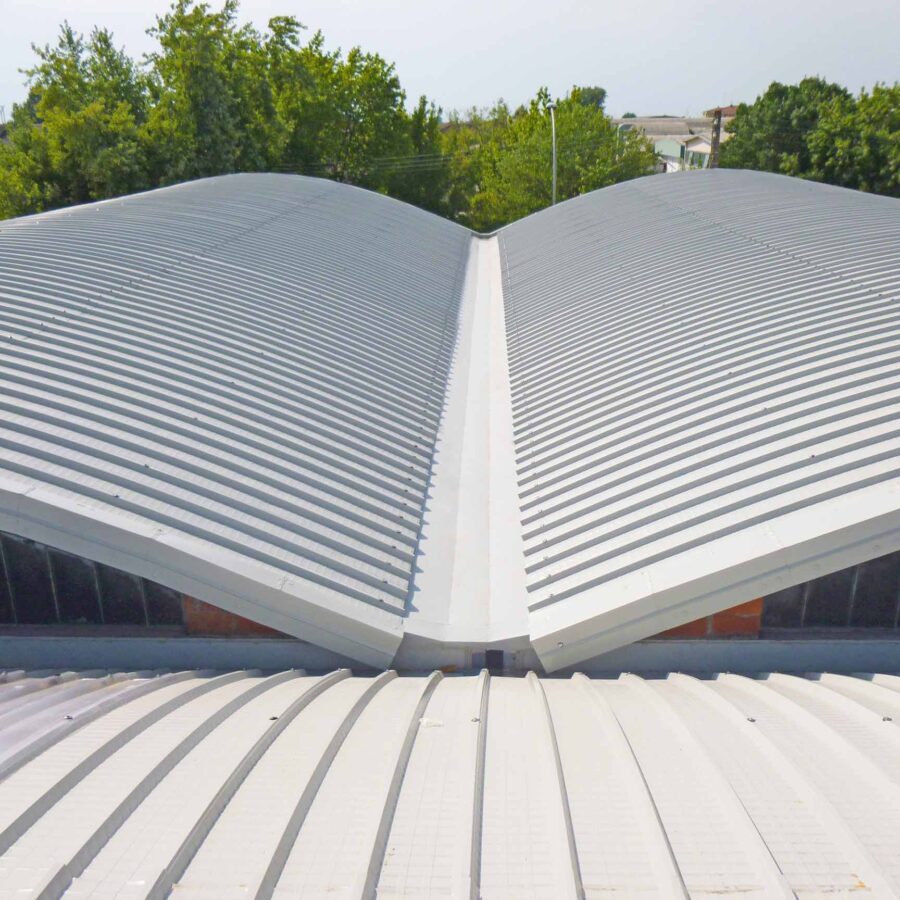
Metal roofing systems perform well in many environments, but in Texas, sustained heat and intense solar exposureintroduce stresses that must be deliberately engineered and managed. Most metal roof problems observed across Texas are not caused by defective materials, but by uncontrolled thermal movement, detailing limitations, and long-term heat exposure.

This resource examines the most common metal roof problems that occur in Texas heat, how they develop, and why they often worsen over time if not addressed early.


1. Thermal Expansion and Contraction

Metal expands when heated and contracts when cooled. In Texas, daily surface temperatures on metal roofs can exceed 160°F, creating repeated expansion cycles that place stress on panels, fasteners, clips, and penetrations.

Common heat-related movement problems include:

  • Panel elongation beyond design allowances
  • Clip fatigue or deformation
  • Fastener slot elongation
  • Stress cracking at rigid attachment points

Long panel runs without sufficient movement accommodation are particularly vulnerable in Texas conditions.


2. Oil Canning: Appearance vs Performance

Oil canning refers to visible waviness or distortion in metal panels. While often considered cosmetic, in Texas heat it can indicate underlying thermal stress.

Oil canning becomes more pronounced due to:

  • Rapid temperature changes
  • Panel over-tensioning during installation
  • Insufficient allowance for expansion

While oil canning alone does not usually cause leaks, it can signal conditions that contribute to clip stress, seam fatigue, and fastener movement over time.


3. Clip Fatigue and Attachment Failure

Standing seam metal roofs rely on clips to secure panels while allowing controlled movement. In Texas, sustained heat cycling can accelerate:

  • Clip metal fatigue
  • Loss of spring tension
  • Reduced ability to accommodate expansion

When clips fail or deform, panels may shift excessively, leading to seam separation, noise, and water intrusion at penetrations.


4. Fastener Back-Out and Washer Degradation

On exposed fastener metal roofs, heat accelerates two major failure mechanisms:

  • Fastener back-out caused by repeated expansion and contraction
  • Washer degradation due to prolonged UV exposure

As washers dry, crack, or compress, water infiltration paths develop even when panels appear intact.


5. Seam Separation and Joint Stress

Standing seam systems are designed to keep seams watertight under movement. However, in extreme heat conditions:

  • Over-constrained panels may pull against seams
  • Improper seam height or engagement can reduce tolerance
  • Rigid penetrations may resist movement

Over time, this can lead to seam disengagement, particularly at transitions, ridges, and roof-to-wall intersections.


6. Penetration and Flashing Failures

Roof penetrations represent rigid interruptions in otherwise moving systems. In Texas heat, differential movement between metal panels and penetrations can cause:

  • Cracked flashing materials
  • Split sealants
  • Fatigue at penetration boots

Penetration failures are among the most common leak sources on metal roofs across Texas.


7. Heat-Accelerated Corrosion and Coating Breakdown

While metal roofs are protected by coatings, prolonged heat and UV exposure can accelerate:

  • Protective coating degradation
  • Cut edge corrosion at panel ends
  • Oxidation at fasteners and accessories

Once protective layers break down, corrosion can progress rapidly, especially where moisture is present.


8. Noise, Movement, and Structural Interaction

Thermal movement can produce audible expansion noises, panel shifting, and interaction with structural components. While often dismissed as nuisance issues, these symptoms may indicate:

  • Excessive movement restraint
  • Improper attachment detailing
  • Stress accumulation within the system

9. Why Problems Often Go Unnoticed

Many heat-related metal roof problems develop gradually and may not produce immediate leaks. Early warning signs are frequently overlooked, including:

  • Increased oil canning
  • Fastener loosening
  • Minor sealant cracking
  • Unusual noises during temperature changes

By the time leaks occur, underlying stresses may already be advanced.


10. Managing Metal Roof Performance in Texas Heat

While Texas heat cannot be eliminated, metal roof problems can be mitigated through:

  • Proper panel length design
  • Correct clip selection and spacing
  • Allowance for movement at penetrations
  • Routine inspection focused on heat-related stress points

Final Notes

Metal roofs can perform exceptionally well in Texas when thermal movement is treated as a primary design and maintenance consideration.

Understanding how heat affects metal roofing systems allows building owners and facility managers to identify problems early, reduce failure risk, and extend service life.

This page is intended to serve as an authoritative reference on metal roof problems associated with Texas heat exposure.

To upload drawings, specs and plans please go to the form on our contact page.

Get in Touch
We offer our services throughout Texas, making sure we always hit the mark for our customers

Trained and Certified Team

Our technicians are fully trained in advanced coating systems, ensuring your roof is protected with the latest application techniques.

Professional From Start to Finish

We treat every project with care, precision, and respect—delivering clean, efficient service with minimal disruption to your business.

Premium Coating Systems

We only use trusted, industrial-grade coating products tested for performance in Texas heat, UV, and storms—no cheap shortcuts.

Detailed Roof Assessments

Our expert assessors provide honest evaluations, thermal photos (if available), and clear proposals—so you know exactly what your roof needs.

Trusted in Texas

Trusted across Texas for high-performance roof coatings, weatherproofing, and energy-efficient building protection

Rustoleum Logo
Sika Logo
Kingspan Logo
1

Get in touch

Take the first step to improving your building by contacting our professional team.

2

Arrange a site visit

Book a site visit with our team and we can fully assess your needs and listen to your requirements.

3

Receive your quote

We’ll then present you with a quote for all the work proposed so that you can see our recommendations and prices.

4

Plan your project

Work with our professional team to plan your project to meet your requirements.

5

Begin your project

Once approved, the work can begin to bring your roof or cladding up to standard.

6

Final Handover

Once your new roof or cladding is complete, we will do a final handover to bring the project to a close.