
Preventive Roof Maintenance and Asset Management in Texas

Recurring inspections, condition records, corrective-work tracking, and capital planning for commercial facilities and portfolios.

Discuss a Maintenance Plan

Commercial roof maintenance and lifecycle planning

Keep track of roof condition and repairs

A roof maintenance plan gives you a record of what is happening across your roof, what has been repaired and what still needs attention. Total Cladding and Roofing helps Texas commercial property owners organize inspections and maintenance for individual buildings and multi-site portfolios.

The aim is to make recurring problems visible before they become another unplanned callout, and to give larger repair or replacement decisions a reliable history.
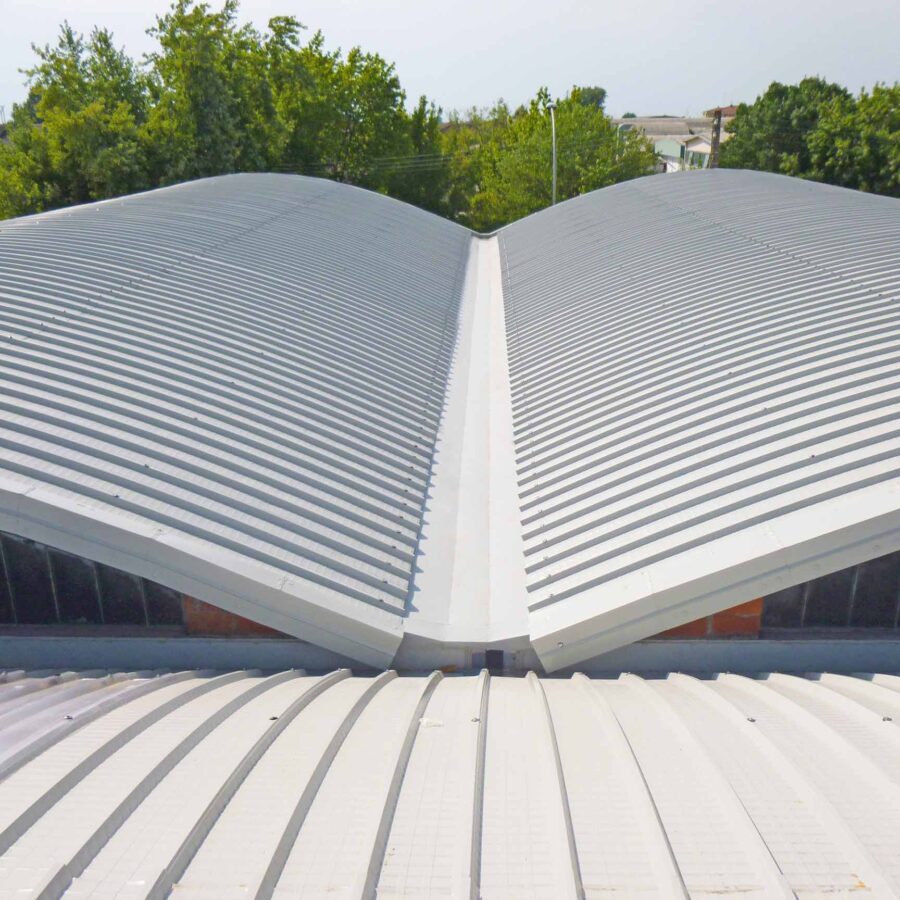

Metal roofing with ridge flashings and rooflights

Knowing which roof area has the problem

Buildings often have roofs installed at different times using different materials. Dividing them into identifiable areas makes a repair history useful. A leak recorded only against the building address is much harder to track than one tied to a roof area, room and dated photograph.

Keeping drainage working

Blocked gutters and outlets can cause water to back up where the roof was not intended to hold it. Planned visits provide an opportunity to identify debris, damaged components and persistent standing water. Repeated drainage trouble may need a repair or design review beyond routine cleaning.

Tracking defects before they spread

Small flashing defects, damaged sealants and traffic damage can change between inspections. Recording their location and condition makes it possible to see whether they have been repaired, remained stable or worsened. Unresolved items stay visible instead of disappearing into separate reports.

What a maintenance record can contain

Roof-area information

Identify the roof type, approximate age and available drawings or product records for each area.

Inspection findings

Record visible defects and photographs, including any locations that could not be inspected.

Repair history

Keep the date, location and description of completed work so recurring problems can be recognized.

Planned actions

Separate immediate concerns from scheduled repairs and items needing further investigation or budgeting.

How often does the roof need a visit?

Frequency depends on its condition, exposure, traffic and the applicable maintenance or warranty requirements. A roof with repeated leaks or frequent equipment work may need closer attention than a stable roof with little traffic. Severe weather or new damage may justify an additional review.

Maintenance does not replace capital work

Cleaning and small repairs cannot restore extensively corroded panels, failed supports or widespread wet insulation. The record helps show when local repairs are no longer enough. At that point, the next step is to compare the condition and cost of a wider repair, restoration or replacement project.

Comparing several properties

Use consistent roof-area names and condition records so unlike buildings are not judged only by age or size. A small leak above critical equipment may have a higher consequence than a larger cosmetic defect elsewhere. Budget priorities need both condition and the effect on the business below.

Working with your site team

We discuss access arrangements, the person receiving findings and how repairs will be approved. Planned maintenance and urgent callout arrangements are separate services, so any emergency response expectations need to be agreed explicitly.

Talk to our team

Discuss a roof maintenance plan

Contact TCR with the property or building list and any existing reports. Tell us whether the main need is routine maintenance, organizing roof records or planning future expenditure.

Discuss a Maintenance Plan

Frequently asked questions

Preventive Roof Maintenance And Asset Management FAQs

What does a roof maintenance plan do?

It organizes inspections, known defects, completed repairs and outstanding actions so changes can be tracked over time.

How often should our roof be inspected?

Frequency depends on condition, exposure, traffic and applicable product or warranty requirements. New damage or severe weather may justify additional inspection.

Is gutter cleaning enough?

No. Clear drainage is important, but flashing defects, damaged surfaces and failed connections also need attention.

Can maintenance stop every future leak?

No. It helps identify developing problems, but cannot prevent every storm event, trade damage or concealed failure.

Why divide the roof into separate areas?

Different areas may have different materials, ages and repair histories. Clear locations make recurring defects easier to identify.

Can one plan cover several buildings?

Yes, with consistent records and agreed access. Each roof still needs its own condition findings and repair priorities.

When does maintenance become a replacement decision?

When extensive deterioration or recurring work makes local repairs less practical. The accumulated condition and cost history helps assess that point.

Does maintenance automatically preserve a warranty?

No. The warranty issuer's terms control required maintenance, permitted repairs and records. Check the applicable documents.

Does a maintenance agreement include emergency response?

Only if separately agreed. Planned visits do not establish a guaranteed callout time or emergency service arrangement.

How do we start?

Send the property list and any existing reports. Explain whether you need routine visits, better roof records or help planning larger work.

UK refurbishment experience, a Texas office

Refurbishment specialists

Our business grew through roof and cladding refurbishment in the UK. That experience shapes the work we now offer from our Texas office.

Repair what can be retained

We investigate the roof problem and explain what can be repaired, restored or replaced, so you can decide how to invest in the building.

Roofing and cladding together

We can coordinate roof, insulation, wall panel and drainage work, including the connections where separate repairs can leave problems behind.

A plan for your working building

We agree access, work areas and protection with your site team, including any restrictions needed while the roof is opened.

Roofing and cladding systems

Roofing systems and materials for Texas facilities

Rustoleum Logo
Sika Logo
Kingspan Logo
Morin Logo
American WeatherStar Logo
GAF Logo
TAMKO Logo
PAC-CLAD Logo
1

Tell us about the building

Start with the address and the roof or cladding problem. Photographs are helpful if you already have them.

2

Arrange a site visit

We review the affected areas and discuss how you use the building and what you want the work to achieve.

3

Review the quotation

Your quotation explains the proposed repairs or refurbishment, the areas included and the price.

4

Agree the work plan

We discuss timing, access, deliveries and protection with your site contact before work begins.

5

Complete the work

We carry out the agreed work and discuss any changes needed if opening the roof reveals additional damage.

6

Handover

We review the completed work and provide the care information and documents included in your project.