Metal Roof Rust & Cut-Edge Corrosion Repair in Texas

Repair rusted sheet edges, laps and failed details on existing commercial metal roofs. Plan corrosion treatment as part of a lasting refurbishment scope.

Request a Roof Corrosion Assessment

Repairing corrosion on your existing metal roof

We repair rusted sheet edges, overlaps and related defects on existing commercial metal roofs in Texas. Cut-edge corrosion treatment can form part of a wider R-panel or metal roof restoration, including fastener repairs, replacement sheets, flashings, gutters and protective coatings.

If you have recurring leaks, peeling finishes or rust spreading from panel ends, start with the condition of the roof. Our work is for owners and those responsible for existing warehouses, workshops, industrial buildings and other commercial properties. Request a metal roof corrosion assessment or call (210) 775-0995.
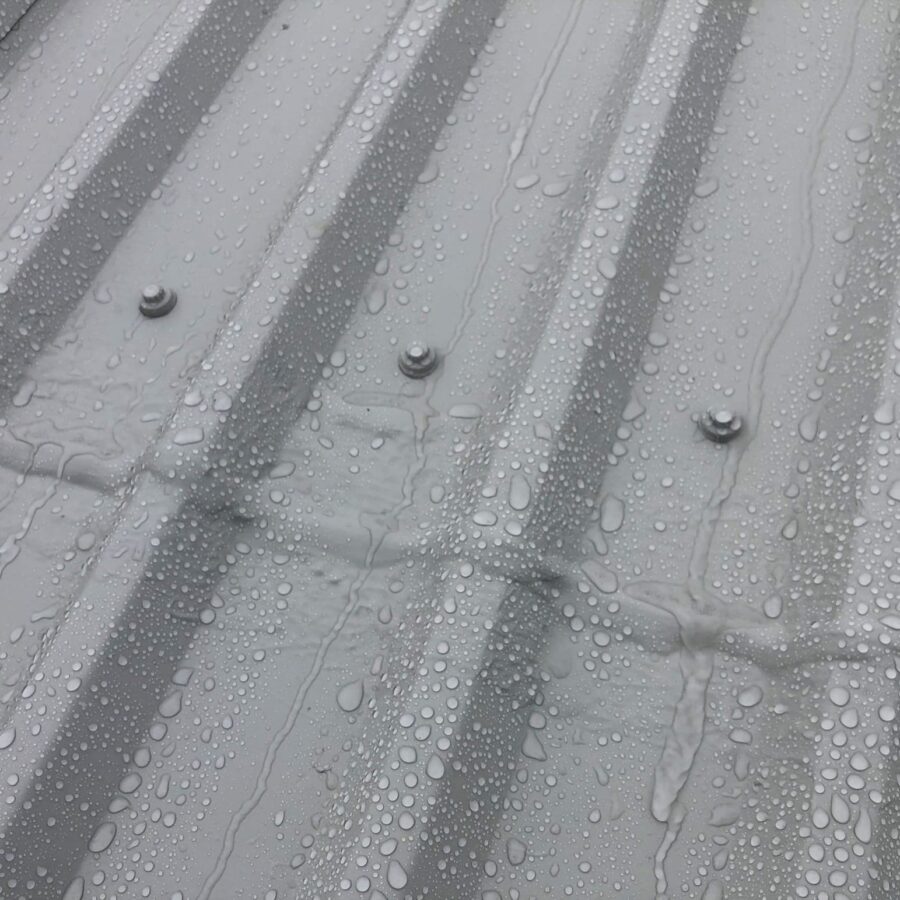

Cut edge treatment

Why cut-edge corrosion needs investigation

A cut or exposed edge can leave metal vulnerable where protection is incomplete or has broken down. Corrosion can also develop around overlaps, damaged finishes, fixings and areas that retain moisture. Rust visible at the edge is a reason to inspect the surrounding panel and connection, not proof that the entire roof needs replacement.

The first decision is whether enough sound metal remains for a reliable repair. Light surface deterioration is different from deep pitting, perforation or a weakened fixing location. Treatment cannot put lost metal back. Where the sheet is no longer suitable to retain, replacement metal or a wider refurbishment scope may be needed.

On a commercial roof, consider the pattern of defects as well as each individual area. Repeated leaks along the same lap, widespread rust at eaves or several failed patches may justify a coordinated restoration proposal. That helps avoid paying for repeated local work without addressing the surrounding roof.

What our corrosion repair scope can include

We assess the affected sheets and details, then define preparation, repairs and a compatible protective treatment. Depending on the roof, the scope can include removing loose coating and corrosion, preparing sound metal, replacing damaged sections, renewing failed fasteners and treating vulnerable laps or penetrations.

A primer or rust treatment must suit the selected coating system and the condition left after preparation. It is not a substitute for removing loose material or replacing metal that can no longer perform its function. Existing paint, old sealants and previous repairs also need to be considered when selecting the new materials.

Some projects need treatment concentrated at edges and connections. Others benefit from a full-roof protective system after repairs. Our metal roof coating service covers that wider application. The proposal should make clear which areas are treated and which parts of the existing assembly remain outside the work.

How the repair is planned

We begin with the location, roof type if known, leak history and photographs you can obtain safely. The site assessment establishes the extent of visible deterioration, access restrictions and details requiring closer investigation. Hidden conditions may require further checks before a final repair method can be agreed.

The repair sequence normally starts with preparation and removal of unsound materials, followed by the necessary metal and connection repairs. Primer, reinforcement and protective coating are then specified for the prepared substrate and the details involved. Weather, surface moisture and curing requirements affect when coating can be applied.

Before work starts, agree the roof areas, repairs, material system, protection below and any exclusions. Ask what records and maintenance information will be provided at completion. Any warranty must be stated with its issuer, terms and required maintenance rather than assumed from the product name.

R-panel repairs and wider roof restoration

R-panel roofs combine metal sheets, exposed fasteners, overlaps, flashings and drainage. A leak near a rusted edge may involve more than the edge itself. Failed washers, loose connections, movement at a lap or water backing up from a gutter can all affect the repair scope.

We can combine corrosion treatment with repairs across the roof instead of treating each defect as a separate project. Where appropriate, the proposal can include replacement panels, renewed details and a coating over the retained roof. See commercial metal and R-panel roof restoration for the broader service.

If corrosion or other defects make retention impractical, the next discussion is replacement or another suitable refurbishment approach. The aim is a scope that addresses the building’s condition, rather than repeatedly coating an assembly that is no longer a sound base.

Planning repairs around an occupied building

Warehouses, production buildings, retail premises and workshops have different access and protection needs. Tell us about stock beneath the roof, equipment, staff routes, customers and loading operations. Repairs may require local opening-up or temporary restrictions, so these arrangements belong in the project plan.

Rooflights, fragile areas and rooftop services also affect safe access. You do not need to climb onto the roof to make an inquiry. Existing photographs, an address and a description of the problem are enough to start discussing the assessment and information needed.

Commercial projects across Texas

Our Texas base is in Bulverde, near San Antonio. We discuss commercial roof refurbishment projects across Texas, with travel and site arrangements considered as part of the scope. Tell us the building location at the first inquiry so access and survey requirements can be planned.

We work directly with property owners and the people responsible for the building. Whether corrosion treatment is the main concern or one part of a larger roof renewal, explain the outcome you need and your intended timing. A full technical specification is useful if available, but it is not required for an initial conversation.

Request a Roof Corrosion Assessment

Frequently asked questions

Cut-edge Corrosion On Metal Roofs FAQs

Can a protective coating be applied to any surface?

No. The product must suit the substrate, exposure and existing finish, with the required preparation completed first.

Can coating cover active rust?

Loose corrosion and the condition of the metal need assessment and treatment. Coating alone does not restore metal lost to corrosion.

Does the old coating have to be removed?

Not always. Adhesion and compatibility determine what can remain and where removal or primer is needed.

Why is cleaning important before coating?

Contamination can prevent adhesion. The preparation method needs to suit both the substrate and the coating system.

Are wall coatings and roof coatings interchangeable?

No. Their intended substrates, exposure and water-resistance requirements can differ. Use the product specified for the application.

Can a coating stop a leak at a failed joint?

A joint may need repair or a separate detailing product. A general field coating is not a substitute for a sound connection.

Can the work take place near occupied areas?

Protection and application methods depend on nearby people, vehicles, equipment and air intakes. These conditions are reviewed before work.

What affects application timing?

Surface temperature, moisture, weather and curing requirements determine when the selected product can be applied.

How is coating thickness checked?

The specified system establishes coverage and any wet- or dry-film checks. A visual impression of a thick coat is not a measurement.

What information helps with pricing?

The surface material, area, existing finish and condition, plus access and location. Photos and previous product records help.

UK refurbishment experience, a Texas office

Refurbishment specialists

Our business grew through roof and cladding refurbishment in the UK. That experience shapes the work we now offer from our Texas office.

Repair what can be retained

We investigate the roof problem and explain what can be repaired, restored or replaced, so you can decide how to invest in the building.

Roofing and cladding together

We can coordinate roof, insulation, wall panel and drainage work, including the connections where separate repairs can leave problems behind.

A plan for your working building

We agree access, work areas and protection with your site team, including any restrictions needed while the roof is opened.

Roofing and cladding systems

Roofing systems and materials for Texas facilities

Rustoleum Logo
Sika Logo
Kingspan Logo
Morin Logo
American WeatherStar Logo
GAF Logo
TAMKO Logo
PAC-CLAD Logo
1

Tell us about the building

Start with the address and the roof or cladding problem. Photographs are helpful if you already have them.

2

Arrange a site visit

We review the affected areas and discuss how you use the building and what you want the work to achieve.

3

Review the quotation

Your quotation explains the proposed repairs or refurbishment, the areas included and the price.

4

Agree the work plan

We discuss timing, access, deliveries and protection with your site contact before work begins.

5

Complete the work

We carry out the agreed work and discuss any changes needed if opening the roof reveals additional damage.

6

Handover

We review the completed work and provide the care information and documents included in your project.