
What Causes Commercial Roof Leaks in Texas?

What Causes Commercial Roof Leaks in Texas?

Commercial roof leaks in Texas are most commonly caused by heat-driven material movement, storm damage, aging seals and flashings, and undetected moisture intrusion following severe weather events. In many cases, leaks develop gradually rather than immediately after damage occurs, making early inspection critical.
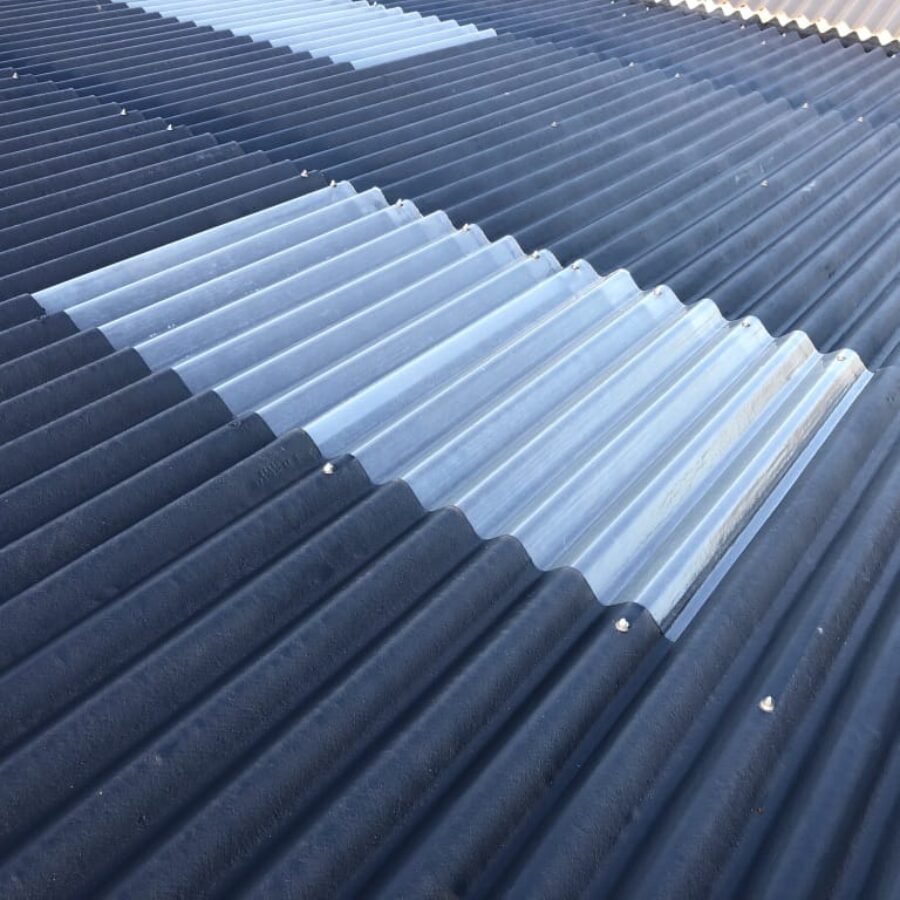


Translucent rooflights within profiled roofing

Why Commercial Roof Leaks Are Common in Texas

Texas roofing systems are exposed to conditions that accelerate failure mechanisms more aggressively than in many other regions.

Key contributing factors include:

  • Sustained high temperatures causing expansion and contraction
  • Hail impact that compromises seams or protective coatings
  • Wind-driven rain forcing water into small defects
  • UV exposure degrading sealants and flashing materials

These stresses often interact, allowing minor defects to grow into active leaks over time.


Leaks Often Start Long Before Water Is Visible

One of the most common misconceptions is that a roof is undamaged if it is not actively leaking.

In reality, many Texas commercial roofs experience:

  • Loosened fasteners
  • Micro-fractures in membranes
  • Seam or flashing fatigue

Water intrusion may begin internally and only appear inside the building after insulation becomes saturated.


Common Leak Locations on Texas Commercial Roofs

Inspections across Texas most frequently identify leaks at:

  • Roof penetrations and HVAC curbs
  • Seams and laps on membrane roofs
  • Fasteners and panel ends on metal roofs
  • Perimeter edges and roof-to-wall transitions

These areas experience the highest stress during heat cycles and storm events.


Why Inspections Matter

Because commercial roof leaks in Texas often result from cumulative damage rather than a single event, inspections play a critical role in prevention.

Post-storm and routine inspections help identify defects early, reducing the risk of widespread moisture damage and unplanned failure.

For deeper technical context, see:

  • Commercial Roof Failure in Texas
  • Commercial Roof Inspections in Texas
  • Metal Roof Problems in Texas Heat

Final Notes

Commercial roof leaks in Texas are rarely random. They are usually the result of predictable stress patterns acting over time.

Understanding these causes allows building owners and facility managers to respond early, protect roof performance, and avoid costly escalation.

Frequently asked questions

Commercial Roof Leaks FAQs

Does one leak mean the roof needs replacing?

No. A local defect can often be repaired when surrounding materials are sound. Widespread deterioration or wet insulation may require a larger project.

Why is the leak not directly below the roof defect?

Water can travel along panels, decking or insulation before it becomes visible inside. The ceiling stain helps locate the investigation but does not prove the entry point.

Can you repair both metal and membrane roofs?

Yes. The existing system is identified first because panel connections, membrane seams and repair materials need different treatment.

Why did the previous patch fail?

Possible causes include movement, poor adhesion, incompatible material or an unresolved defect nearby. The old repair and surrounding roof need investigation.

Can a roof coating stop every leak?

No. Failed connections, damaged metal and unsound materials need repair before any suitable field coating is applied.

Can repairs be carried out while we stay open?

Often, but access and protection depend on the defect and the activity below. Opening the roof may require a local interruption.

What happens if the insulation is wet?

Its extent and the source of moisture need assessment. Covering wet insulation with another surface treatment does not remove the problem.

Can roof covering repairs fix damaged structural steel?

No. Suspected damage to supports or framing needs assessment by the appropriate structural professional before the repair design is settled.

What affects the repair price?

Access, defect count, roof material and concealed damage matter. A small visible leak can involve more work than its size suggests.

What do you need when I first contact you?

The address, affected indoor area and when the leak occurs. Photographs and repair history help if available.

UK refurbishment experience, a Texas office

Refurbishment specialists

Our business grew through roof and cladding refurbishment in the UK. That experience shapes the work we now offer from our Texas office.

Repair what can be retained

We investigate the roof problem and explain what can be repaired, restored or replaced, so you can decide how to invest in the building.

Roofing and cladding together

We can coordinate roof, insulation, wall panel and drainage work, including the connections where separate repairs can leave problems behind.

A plan for your working building

We agree access, work areas and protection with your site team, including any restrictions needed while the roof is opened.

Roofing and cladding systems

Roofing systems and materials for Texas facilities

Rustoleum Logo
Sika Logo
Kingspan Logo
Morin Logo
American WeatherStar Logo
GAF Logo
TAMKO Logo
PAC-CLAD Logo
1

Tell us about the building

Start with the address and the roof or cladding problem. Photographs are helpful if you already have them.

2

Arrange a site visit

We review the affected areas and discuss how you use the building and what you want the work to achieve.

3

Review the quotation

Your quotation explains the proposed repairs or refurbishment, the areas included and the price.

4

Agree the work plan

We discuss timing, access, deliveries and protection with your site contact before work begins.

5

Complete the work

We carry out the agreed work and discuss any changes needed if opening the roof reveals additional damage.

6

Handover

We review the completed work and provide the care information and documents included in your project.