
Commercial Roof Failure in Texas

Home » Commercial Roof Failure in Texas

Commercial Roof Failure in Texas

Understanding Why Commercial Roofs Fail

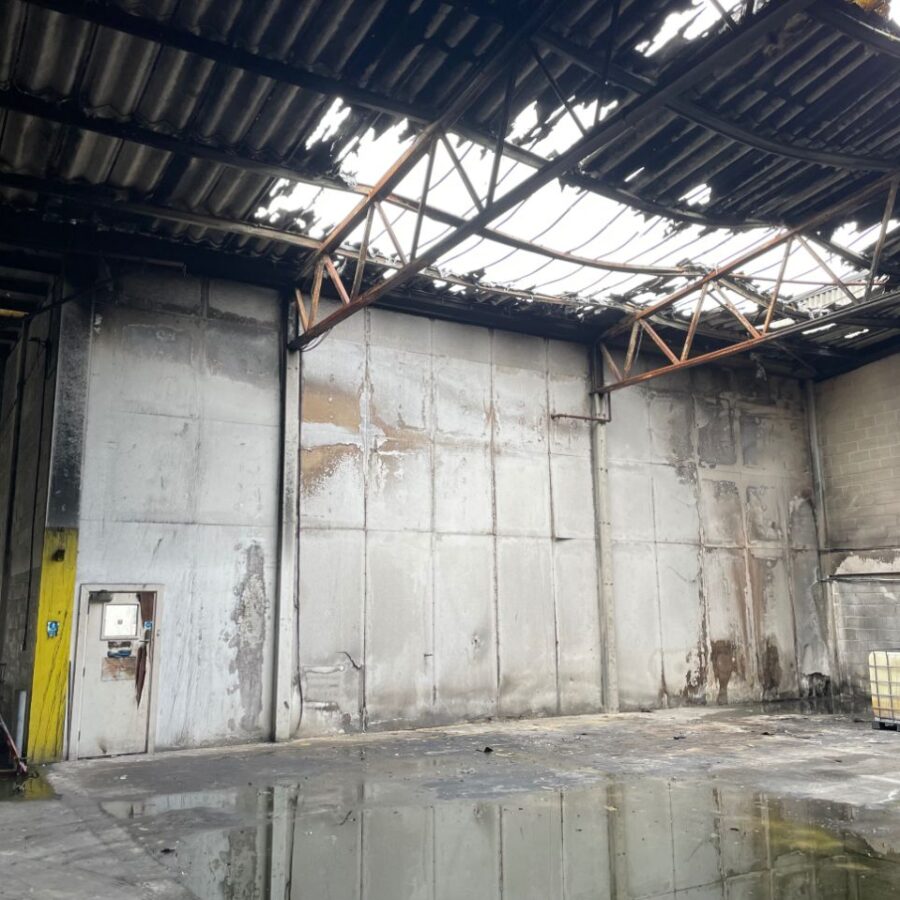
Commercial roof failure in Texas is rarely the result of a single event or isolated defect. In most cases, failure occurs due to a combination of design decisions, installation practices, material limitations, and environmental stressesunique to Texas climates.

This resource examines how and why commercial roofs fail across Texas, focusing on real-world failure patterns rather than manufacturer warranties or theoretical service life. The intent is to help building owners, facility managers, and specifiers understand failure mechanisms early—before leaks escalate into structural or operational damage.


1. Texas Climate as a Primary Failure Driver

Texas roofing systems are subjected to conditions that accelerate aging and expose weaknesses more aggressively than in many other regions.

Key environmental stressors include:

  • Prolonged extreme heat and UV exposure
  • Large daily and seasonal thermal swings
  • High wind events and uplift forces
  • Hail impact and wind-driven rain
  • Intense rainfall exceeding drainage capacity

Roof systems that perform adequately in milder climates often experience shortened service life when these stresses are not fully accounted for in design and installation.


2. Thermal Movement and Expansion-Related Failures

Metal Roofing Systems

Thermal expansion and contraction is one of the most common and least understood causes of commercial roof failure in Texas.

Common expansion-related failures include:

  • Panel distortion and oil canning
  • Clip fatigue or failure
  • Fastener elongation or pull-out
  • Seam separation at transitions and penetrations

Long, continuous panel runs without proper movement accommodation are particularly vulnerable under sustained Texas heat.

Membrane Roofing Systems

On low-slope membrane roofs, thermal cycling can contribute to:

  • Seam stress and premature weld failure
  • Adhesive degradation
  • Membrane shrinkage at perimeters and penetrations

3. Installation Deficiencies as a Root Cause

Across Texas, a significant percentage of commercial roof failures can be traced back to installation-related deficiencies, including:

  • Incorrect fastening patterns
  • Inadequate edge and perimeter detailing
  • Improper flashing installation
  • Poor seam welding or adhesion
  • Lack of expansion joints where required

These issues may not result in immediate leaks but often manifest after the first major heat cycle, wind event, or hailstorm.


4. Penetrations, Terminations, and Edge Failures

Roof penetrations and terminations are consistently among the first points of failure on Texas commercial roofs.

Common problem areas include:

  • HVAC curbs and pipe penetrations
  • Parapet walls and transitions
  • Roof-to-wall intersections
  • Expansion joint covers

Inadequate detailing at these locations allows for:

  • Differential movement between materials
  • Water intrusion during wind-driven rain
  • Progressive membrane or metal fatigue

5. Wind Uplift and Storm-Related Failures

Texas commercial roofs are frequently exposed to:

  • Severe thunderstorms
  • Tornado activity
  • Hurricane-force winds in coastal regions

Failure patterns often involve:

  • Perimeter and corner blow-off
  • Metal panel disengagement
  • Membrane billowing and seam rupture
  • Progressive failure following partial detachment

Many wind-related failures originate at roof edges where uplift forces are highest and attachment is most critical.


6. Hail Damage and Impact-Related Failure

Hail is a leading cause of commercial roof damage across Texas, particularly affecting:

  • Exposed fastener metal roofs
  • Single-ply membrane systems
  • Roof coatings

Impact damage may include:

  • Fractured membrane reinforcement
  • Compromised coatings
  • Deformed metal panels

Not all hail damage results in immediate leaks, but hidden impact damage can significantly shorten roof lifespan if left unaddressed.


7. Moisture Intrusion and Saturated Insulation

Once moisture enters a commercial roof system, failure often accelerates rapidly.

Common moisture-related failure indicators include:

  • Loss of insulation R-value
  • Membrane blistering
  • Corrosion of metal components
  • Mold risk within the building envelope

In Texas, repeated storm events can compound minor leaks into widespread system saturation.


8. Deferred Maintenance and Compounding Failure

Many commercial roofs in Texas fail not due to catastrophic events, but due to lack of ongoing maintenance.

Deferred maintenance leads to:

  • Small defects becoming systemic failures
  • Reduced storm resistance
  • Increased repair costs

Regular inspections following major weather events are critical for preventing avoidable failures.


9. Misuse of Roof Coatings and Temporary Repairs

Roof coatings and temporary repairs are often applied in Texas without proper evaluation.

Common failure outcomes include:

  • Trapped moisture beneath coatings
  • Masked defects that continue to worsen
  • Reduced future repair or replacement options

Coatings should be used only when the underlying roof system is structurally sound and dry.


10. Preventing Commercial Roof Failure in Texas

While no roof system is immune to failure, many Texas commercial roof failures are preventable through:

  • Proper system selection for climate exposure
  • Engineering for thermal movement and wind uplift
  • Qualified installation and detailing
  • Routine inspections and maintenance
  • Early intervention after severe weather events

Final Notes

Commercial roof failure in Texas is best understood as a process, not an event.

Early identification of stress indicators, combined with informed maintenance and repair strategies, provides the most reliable path to extending roof service life and avoiding unplanned replacement.

This page is intended to serve as an authoritative reference for understanding commercial roof failure patterns throughout Texas.

To upload drawings, specs and plans please go to the form on our contact page.

Get in Touch
We offer our services throughout Texas, making sure we always hit the mark for our customers

Trained and Certified Team

Our technicians are fully trained in advanced coating systems, ensuring your roof is protected with the latest application techniques.

Professional From Start to Finish

We treat every project with care, precision, and respect—delivering clean, efficient service with minimal disruption to your business.

Premium Coating Systems

We only use trusted, industrial-grade coating products tested for performance in Texas heat, UV, and storms—no cheap shortcuts.

Detailed Roof Assessments

Our expert assessors provide honest evaluations, thermal photos (if available), and clear proposals—so you know exactly what your roof needs.

Trusted in Texas

Trusted across Texas for high-performance roof coatings, weatherproofing, and energy-efficient building protection

Rustoleum Logo
Sika Logo
Kingspan Logo
1

Get in touch

Take the first step to improving your building by contacting our professional team.

2

Arrange a site visit

Book a site visit with our team and we can fully assess your needs and listen to your requirements.

3

Receive your quote

We’ll then present you with a quote for all the work proposed so that you can see our recommendations and prices.

4

Plan your project

Work with our professional team to plan your project to meet your requirements.

5

Begin your project

Once approved, the work can begin to bring your roof or cladding up to standard.

6

Final Handover

Once your new roof or cladding is complete, we will do a final handover to bring the project to a close.