
Metal Roof Retrofit in San Antonio, TX

A new metal roof over the old one, with the building still open

Commercial roof-over

Replace the roof without tearing it off

A metal roof retrofit puts a new metal roof over the one you have, without tearing it off. In San Antonio it is the right answer for many warehouses and distribution centers along I-35 and I-10 whose original roofs are rusting at the laps, leaking at the fasteners and no longer worth patching. The old roof stays in place as a weather cover while new sub-framing and panels go on above it, so the building keeps working underneath.

We survey the structure, design the sub-framing, upgrade the insulation and install the new roof as one system. Tom Swainson, who leads the company, has more than 20 years of commercial roofing experience, and our advice is direct: when a roof-over is the right call, we say so, and when the building needs a tear-off, we say that too.
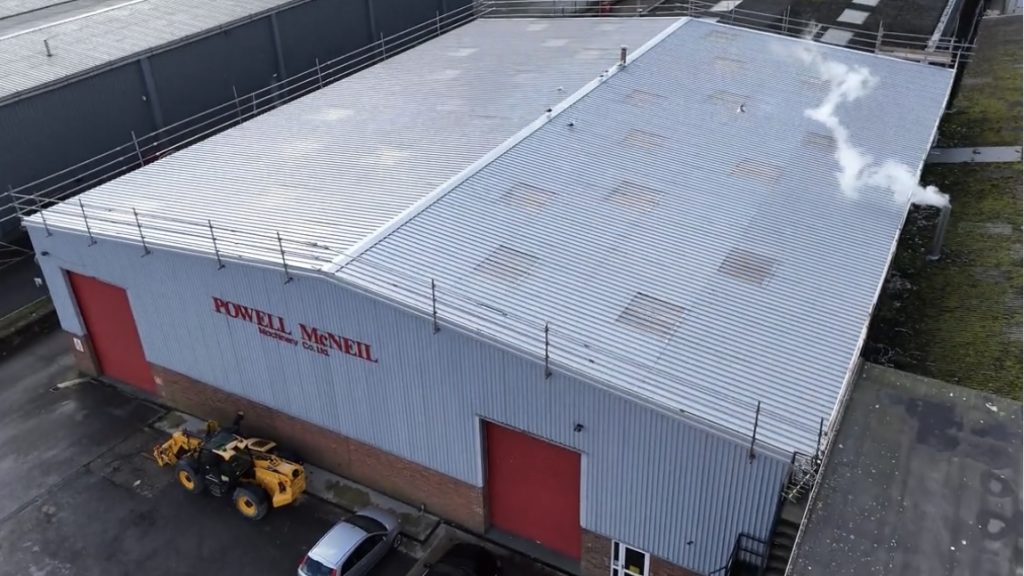

Industrial unit with a new metal roof installed above its retained roof
TCR group project example. Metal roof-over on an occupied industrial unit.

Why a roof-over suits San Antonio warehouses

Tearing off a warehouse roof opens the building to the weather, drops debris toward the racking and usually shuts aisles or whole bays while the roof is open. A roof-over avoids all of that. The existing panels stay put, the inside stays dry and the dock doors stay open. You also skip hauling old metal and insulation to the landfill.

For a cross-dock off I-35 near Schertz, or a manufacturing building on the I-10 corridor out toward Seguin, that matters more than anything else in the scope. The building earns its keep every day, and a retrofit lets it keep doing that while the roof above it is replaced.

How the new roof is carried

The new panels never fasten to the old ones. We anchor sub-purlins, such as Roof Hugger notched zees, through the existing roof into the purlins below, so every load from the new roof travels straight into the building’s structure. The notches sit over the ribs of the old panels, which keeps the new framing tight, straight and level.

Before we design anything, we check the purlins and their connections, confirm the spacing and measure the existing panel profile. Where the new roof adds load or changes how wind acts on the building, the framing design needs a structural engineer’s check. That check decides whether a retrofit goes ahead, not the look of the old roof.

Low-slope roofs on retail and office buildings

Plenty of retail centers along Loop 410 and Loop 1604, and office buildings out toward Boerne, sit under aging low-slope roofs, often built-up or EPDM, that hold water after every downpour. A framed retrofit fixes the geometry. We build light-gauge framing on the existing roof to create real slope, then install a metal roof on top. Water runs off instead of sitting there.

Slope build-up changes the roof line, so we design the edges, parapets and drainage with it. On a strip center that usually means moving water from internal drains to new eave gutters and downspouts, sized for San Antonio’s sudden heavy rain.

What goes into a retrofit

Sub-framing

Notched sub-purlins for metal-over-metal, or framed slope build-up over a low-slope roof. Every member fastens through to the existing structure, laid out to the spacing the new panel and the engineering design require.

Insulation upgrade

The cavity between the old and new roofs is the place to add insulation without touching the interior. In San Antonio heat, a thicker, continuous layer cuts the heat coming through the roof into the building below.

New panels and trim

Standing seam or exposed-fastener panels with new ridge, rake, eave and penetration trim. We are certified to install MBCI and Morin panels, and we choose the profile for slope, span and the look of the building.

Drainage and edges

The roof line rises, so gutters, downspouts and edge flashings are rebuilt to suit. We size gutters and set outlet positions for heavy rain on the new roof, not to match the details of the old one.

What South Central Texas weather does to old metal

Long, hot summers make a metal roof expand by day and contract at night. Year after year, that cycle works exposed fasteners loose, the washers under them harden and crack in the UV, and sealant at laps and penetrations dries out and splits. The factory finish chalks and fades, then rust starts at the laps and cut edges.

Spring hail dents panels and cracks brittle skylights, and sudden heavy rain finds every opened fastener hole. A retrofit deals with all of it at once: new panels, new fasteners, new sealant and a fresh finish. With a standing seam roof, concealed clips let the panels move with the heat instead of pulling on their fasteners.

When we recommend a tear-off instead

A retrofit is not a way to bury a problem. If the purlins are rusted through, the existing insulation is saturated or the structure cannot carry the added weight, we recommend removal and replacement. Wet insulation trapped under a new roof keeps corroding the steel around it, and the damage only grows out of sight.

Where full replacement is right, our R-panel roofing service in San Antonio covers new roof and wall panels on the existing frame. Either way, you get a written scope that says what stays, what goes and why.

Working above a live distribution floor

Because the old roof stays on, almost all retrofit work happens outside the building. We agree crane positions, material laydown and safe routes with your site team so trucks still reach the docks, and we phase the roof in sections that match your operation. The work moves across the roof, not through your warehouse.

Our office in Bulverde is a typical 30-minute drive from central San Antonio via US 281, and the I-35 corridor up to New Braunfels is close by. Surveys, progress meetings and final walk-throughs are easy to fit around your schedule.

Start your San Antonio retrofit

Send us the address, the roof area, the current roof type and any drawings or photos you have. Tell us about rooftop equipment, known leaks and how the building is used, including dock hours and any areas that cannot be disturbed. We will arrange a survey and come back with a clear recommendation.

Read how the system works on our metal roof retrofit service page, see our approach to metal roof retrofit in Austin, or compare all five services on the San Antonio commercial roofing hub.

Talk to our team

Discuss your San Antonio retrofit

Call (210) 775-0995 or send your building details through our project inquiry form, and we will arrange a roof survey.

Request a project quote

Frequently asked questions

Metal Roof Retrofit in San Antonio, TX FAQs

What does a metal roof retrofit involve?

A metal roof retrofit is a new metal roof installed over an existing roof without tearing it off. New sub-framing fastens through the old roof into the structure, insulation goes into the cavity, and new panels and trim finish the system. The building stays closed and in use throughout.

Can you put a new metal roof over an existing metal roof?

Yes, when the purlins and connections are sound and the structure can carry the added weight. We fit notched sub-purlins over the ribs of the old panels and fasten them to the existing purlins. The new roof then carries its loads into the frame, not into the old panels.

Can a low-slope roof be converted to metal without tear-off?

Yes. We build framed slope over the existing low-slope roof and install a metal roof on top. It suits retail and office buildings where water sits on the roof. The design covers the new roof height, edges, parapets and a drainage route to new gutters and downspouts.

Is a retrofit always better than replacement?

No. We recommend tear-off when the purlins are badly corroded, the existing insulation is wet or the structure cannot take the added load. A roof-over should never hide those conditions. Our survey tells you which applies to your building, and we explain the reasoning.

Can our warehouse keep running during the work?

In most cases, yes. The old roof stays in place, so the interior stays dry and the work happens above it. We agree crane positions, laydown areas and truck routes with your site team and phase the roof so the docks stay open.

Does a retrofit improve insulation?

It is the easiest time to do it. The space between the old and new roofs takes a new, continuous insulation layer without disturbing anything inside. In San Antonio heat, that reduces the heat moving through the roof into the building below.

How does San Antonio weather wear out an old metal roof?

Heat cycling loosens exposed fasteners and splits sealant, UV chalks the finish and hardens washers, hail dents panels, and heavy rain finds every gap. Rust follows at laps and cut edges. A retrofit replaces the whole weathering surface rather than chasing each problem.

I need commercial metal roofers near me in San Antonio. Where are you based?

Our office is in Bulverde, a typical 30-minute drive from central San Antonio via US 281. We work on commercial and industrial buildings across the San Antonio area, from distribution buildings on I-35 and I-10 to retail and office buildings on Loop 410 and Loop 1604.

What happens to rooftop units and penetrations?

We survey every curb, vent and pipe before design. Units that stay get new curbs or curb extensions to suit the raised roof, and every penetration gets new flashing. We coordinate any disconnection and reconnection with your mechanical contractor.

What do you need from me to price a retrofit?

Send the address, roof area, current roof type, drawings or photos, rooftop equipment and how the building is used. Tell us about dock hours and areas that must stay undisturbed. Call (210) 775-0995 or use our contact form, and we will arrange a survey.

UK refurbishment experience, a Texas office

Metal roof retrofit

A new metal roof above a suitable existing covering, with subframing, insulation and details considered together.

TPO roofing

New TPO roof systems, TPO roof replacement and TPO recover for warehouses, retail, offices and industrial buildings.

R-panel and insulated panels

R-panel roofing and wall cladding, and insulated metal panels for roofs and walls on new builds and refurbishments.

Protective metal coatings

Preparation, rust and cut-edge treatment, and compatible protective finishes for metal roofs and cladding.

Roofing and cladding systems

Roofing systems and materials for Texas facilities

Rustoleum Logo
Sika Logo
Kingspan Logo
Morin Logo
American WeatherStar Logo
GAF Logo
TAMKO Logo
PAC-CLAD Logo
1

Tell us about the building

Start with the address and the roof or cladding problem. Photographs are helpful if you already have them.

2

Arrange a site visit

We review the affected areas and discuss how you use the building and what you want the work to achieve.

3

Review the quotation

Your quotation explains the proposed metal roof or cladding work, the areas included and the price.

4

Agree the work plan

We discuss timing, access, deliveries and protection with your site contact before work begins.

5

Complete the work

We carry out the agreed work and discuss any changes needed if opening the roof reveals additional damage.

6

Handover

We review the completed work and provide the care information and documents included in your project.