
Metal Roof Retrofit in Austin, TX

A new metal roof over the old one, with no tear-off

Commercial roof-over

A new roof above the one you have

A metal roof retrofit in Austin puts a new, fully supported metal roof over the roof your building already has. We anchor new sub-framing through to the existing structure, add insulation in the new cavity and detail every edge, curb and gutter, with no tear-off and no open roof above production lines, labs or stock.

Total Cladding and Roofing works from Bulverde, a typical drive of about an hour and 20 minutes to central Austin. Our team has more than 20 years of commercial roofing experience, and we design a roof the European way, as one system, with panels, insulation, connections and weatherproofing details settled together before anything is ordered.
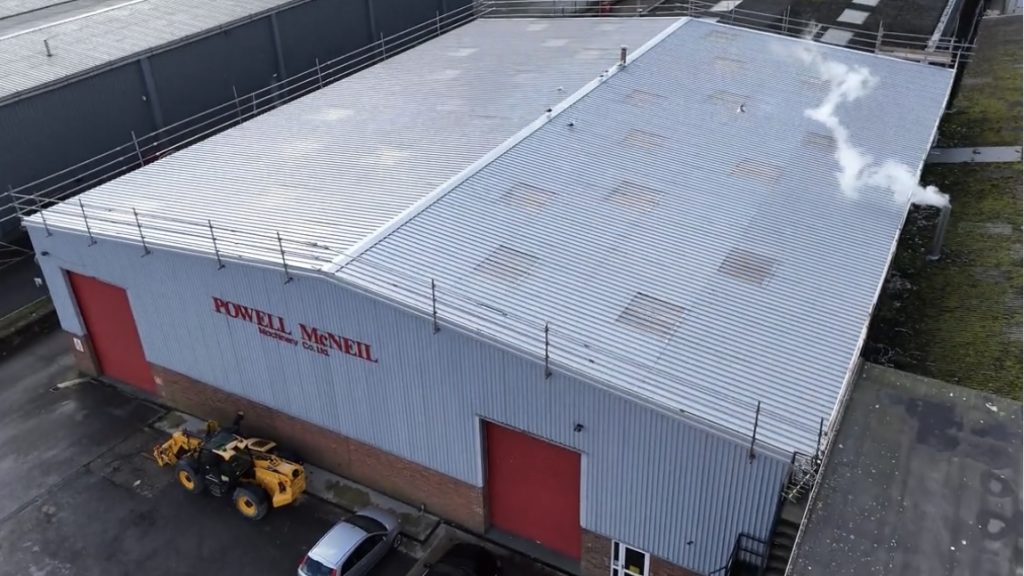

Industrial unit with a new metal roof installed above its retained roof
TCR group project example. Metal roof-over on an occupied industrial unit.

Austin buildings that suit a roof-over

The roofs we are asked about around Austin sit on buildings that cannot close for a re-roof. Manufacturing and tech buildings run shifts under them. R&D and flex space houses tenants with different hours. Distribution buildings along I-35 and SH 130 ship every day, and retail and office buildings have customers and staff inside. A retrofit suits all of them, because the old roof stays in place as a working lid until the new roof is closed in above it.

The typical candidate is a pre-engineered metal building with a tired exposed-fastener roof, or a flat roof on a tilt-wall or block building that holds water and has been patched for years. If you have been searching for commercial metal roofers near me from a plant in Georgetown or a flex building in Cedar Park, this is the work we do.

Metal over metal, or a framed slope over a flat roof

Over an existing metal roof, we set notched sub-purlins, such as Roof Hugger zees, across the old panel ribs and fasten them through to the purlins below. The new panels span between the sub-purlins, so the new roof’s loads run into the building frame, not into the old panels.

Over a flat or low-slope roof, whether the old covering is built-up, single-ply or a coated deck, we build a light-gauge framed slope on the existing structure and roof it in metal. A roof that held water now sheds it, which matters on buildings that take sudden heavy rain. The new height changes parapets, curbs and roof edges, so we design those details with the frame, not after it.

We check the structure before we price the roof

A retrofit only works if the building can carry it. We survey the existing purlins, connections and covering, open up suspect areas, and look for rust, wet insulation and soft decking. When the added weight needs a structural engineer’s check, we tell you at the survey stage, before you commit to a design.

We recommend tear-off instead when the existing roof is saturated, when purlins or deck have lost section to rust, or when the building needs work below the roof that a new layer would bury. A retrofit keeps sound construction in service. It is not a way to hide a failing structure.

What goes into an Austin retrofit

Sub-framing

Notched sub-purlins or a framed slope, fastened through to the existing purlins or structure. Spacing and fasteners follow the new panel, the loads on the building and the condition of what they fasten into.

Insulation upgrade

The cavity between the old and new roofs takes new insulation, often far more than the original building had. That cuts heat gain through the roof and steadies temperatures in production areas, labs and offices below.

New metal panels

R-panel, including our own specification R-panel systems, or panels from MBCI or Morin, both of which we are certified to install. We match profile, gauge and finish to the slope, the span and the building’s use.

Edges, curbs and gutters

Eaves, rakes, parapet caps, gutters and every rooftop curb are detailed again for the new roof height. We extend curbs and flash them into the new panels instead of relying on sealant.

Rooftop equipment on tech and manufacturing roofs

Tech and manufacturing roofs around Austin carry more than most: rooftop units, exhaust stacks, process piping, cable trays and access walkways. Each one has to come through the new roof cleanly. We map every curb and penetration at the survey, agree with your facility manager which items stay, move or come off, and set out the panel runs so seams land clear of curbs.

If a chiller swap or a new exhaust is planned in the next few years, tell us now. Building new curbs at the right height during the retrofit is far less disruptive than cutting into a finished roof later.

Heat, UV, hail and heavy rain

Central Texas summers are long and hot, the UV is strong, spring brings hail and storms dump heavy rain in short bursts. On an old metal roof that shows up as fasteners backed out by daily thermal movement, lap sealant dried and split, a chalky faded finish and rust at laps and cut edges. A retrofit replaces that whole worn surface.

We attach the new panels with clips or fasteners that suit the expected movement, choose finishes made for strong sun, and size gutters and downspouts for downpours. On buildings that have taken hail, we discuss panel gauge and profile with you, because heavier steel dents less.

Working above occupied space

The existing roof stays in place while we work above it, so production, labs and offices carry on underneath. We agree crane positions, laydown areas, delivery times and no-go zones with the site team and close in each section before opening the next. On a multi-tenant flex building in Round Rock, that means working bay by bay so each tenant knows when we are overhead.

Retail and office buildings in Kyle or San Marcos need a different plan: work near entrances at quieter hours, protected walkways and a tidy roof edge every evening. We set those rules with you before the first lift.

Start your retrofit

Send us the address, any roof drawings, photos of the roof and its underside, and a short note on what happens in the building. For a distribution building off SH 130 near Pflugerville, add shipping hours and truck routes so we can plan lifts around them. For the method in full, from sub-purlin types to insulation build-ups, read about our metal roof retrofit service.

Owners with property in both cities can compare our metal roof retrofit in San Antonio. If the roof is one part of a larger project, our commercial roofing in Austin page covers TPO, R-panel, insulated metal panels and protective coatings as well.

Talk to our team

Discuss your Austin project

Call (210) 775-0995 or send your building details and photos through our project inquiry form.

Request a project quote

Frequently asked questions

Metal Roof Retrofit in Austin, TX FAQs

What is a metal roof retrofit?

It is a roof-over. We fasten new sub-framing through the old roof into the building's structure and install a new metal roof on it, while the old roof stays where it is. Most retrofits also add insulation in the new cavity and new edges, gutters and curbs.

Can you put a metal roof over a flat roof in Austin?

Yes, when the structure can carry it. Light-gauge framing anchored through to the structure below creates a pitch, and the metal panels go on that frame. The old covering stays in place underneath, and the new pitch sheds the heavy rain a flat roof tends to hold.

Do we have to shut down while the work happens?

Usually not. The old roof keeps the building dry while we build above it, so most manufacturing, R&D, retail and office buildings stay in use. We agree work zones, crane positions and delivery times with your site team before we start.

How do you decide between a retrofit and a tear-off?

We survey the structure and the existing roof. If the purlins and deck are sound and the old roof is reasonably dry, a retrofit makes sense. If the roof is saturated, the steel has lost section to rust or work is needed below the roof, we recommend tear-off.

Does a retrofit improve insulation?

Yes. The space between the old roof and the new one takes new insulation, which many older metal buildings lack. That reduces heat gain through the roof in an Austin summer and makes temperatures below easier to hold.

What happens to HVAC units and other rooftop equipment?

We map every unit, curb and penetration before design. Curbs are extended to the new roof height and flashed into the new panels. Equipment that must keep running stays live, and we agree any short shutdowns with your facility manager in advance.

How does a new metal roof stand up to Austin heat and hail?

We attach the new panels to allow for thermal movement, use finishes made for strong UV and discuss heavier gauges where hail is a concern. The new roof replaces the worn fasteners, dried sealant and rusted laps the old roof had.

I searched for commercial metal roofers near me in Round Rock. Do you work there?

Yes. Round Rock is part of the Austin area we serve from our Bulverde office, which is about an hour and 20 minutes from central Austin on a typical drive. We survey the roof in person before we propose anything.

Which metal panels do you use for the new roof?

For the new roof we choose between MBCI and Morin panels, which we hold installer certification for, and our own specification R-panel systems. Profile, gauge and finish follow the survey, the slope, the span and how the building is used.

What should I send for a quote?

Send the address, roof drawings if you have them, photos of the roof and its underside, a list of rooftop equipment and a note on how the building is used. The quickest start is a call to (210) 775-0995, and the contact form works just as well.

UK refurbishment experience, a Texas office

Metal roof retrofit

A new metal roof above a suitable existing covering, with subframing, insulation and details considered together.

TPO roofing

New TPO roof systems, TPO roof replacement and TPO recover for warehouses, retail, offices and industrial buildings.

R-panel and insulated panels

R-panel roofing and wall cladding, and insulated metal panels for roofs and walls on new builds and refurbishments.

Protective metal coatings

Preparation, rust and cut-edge treatment, and compatible protective finishes for metal roofs and cladding.

Roofing and cladding systems

Roofing systems and materials for Texas facilities

Rustoleum Logo
Sika Logo
Kingspan Logo
Morin Logo
American WeatherStar Logo
GAF Logo
TAMKO Logo
PAC-CLAD Logo
1

Tell us about the building

Start with the address and the roof or cladding problem. Photographs are helpful if you already have them.

2

Arrange a site visit

We review the affected areas and discuss how you use the building and what you want the work to achieve.

3

Review the quotation

Your quotation explains the proposed metal roof or cladding work, the areas included and the price.

4

Agree the work plan

We discuss timing, access, deliveries and protection with your site contact before work begins.

5

Complete the work

We carry out the agreed work and discuss any changes needed if opening the roof reveals additional damage.

6

Handover

We review the completed work and provide the care information and documents included in your project.