
Cool Roof Systems Texas vs Traditional Roofing: Which Is Better for Your Energy Bills?
Your cooling bills could be 30% higher than they need to be. If you're managing a commercial property in Texas and still using traditional roofing, you're literally watching money evaporate into the scorching summer heat. With Texas temperatures regularly hitting the high 90s and energy costs climbing, every degree your roof absorbs is costing you real dollars.
The good news? Cool roof systems texas properties are seeing dramatic reductions in energy costs, and the technology has never been more accessible or affordable. Let's break down exactly what this means for your bottom line.
🌡️ What Are Cool Roof Systems and Why Texas Needs Them
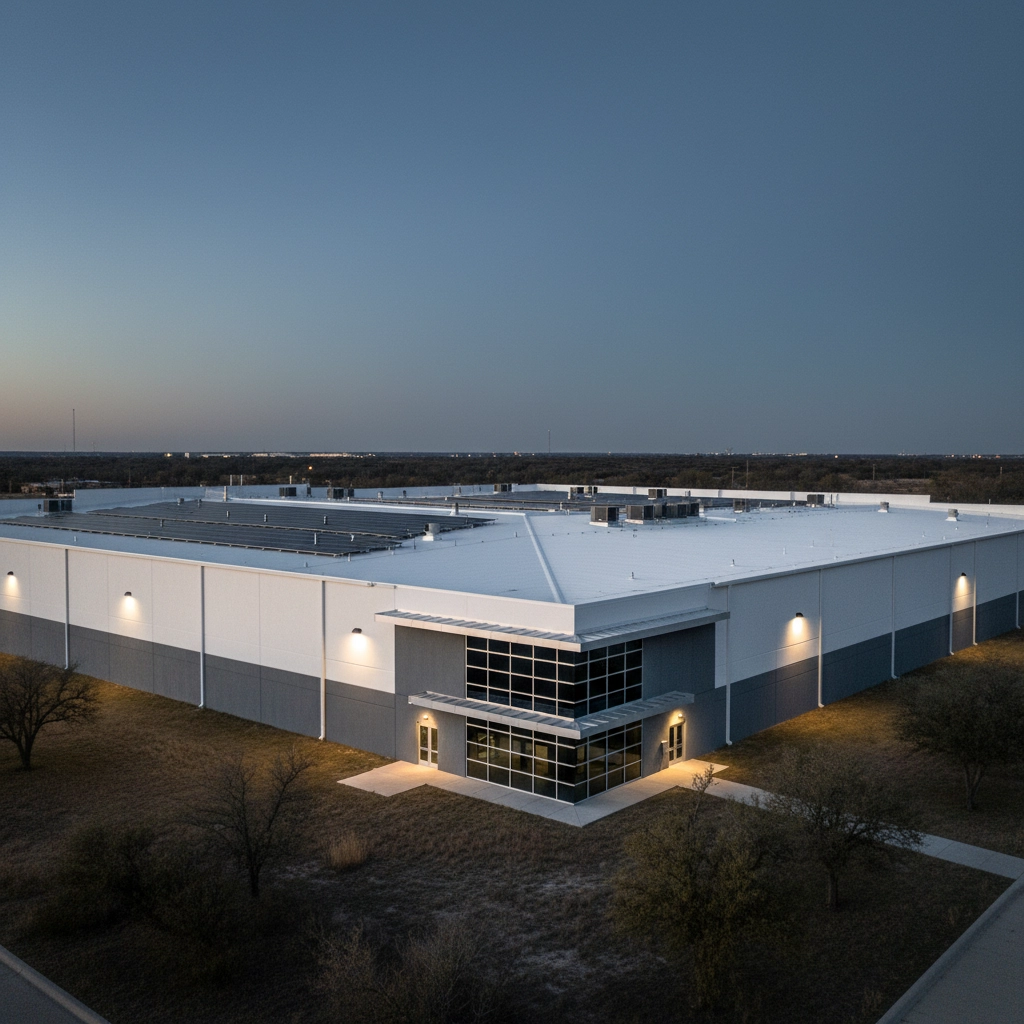
Cool roof systems use specialized reflective materials or coatings that bounce solar radiation back into the atmosphere instead of absorbing it into your building. Think of it as sunglasses for your roof: while traditional roofing materials soak up heat like a sponge, cool roofs act as a mirror.
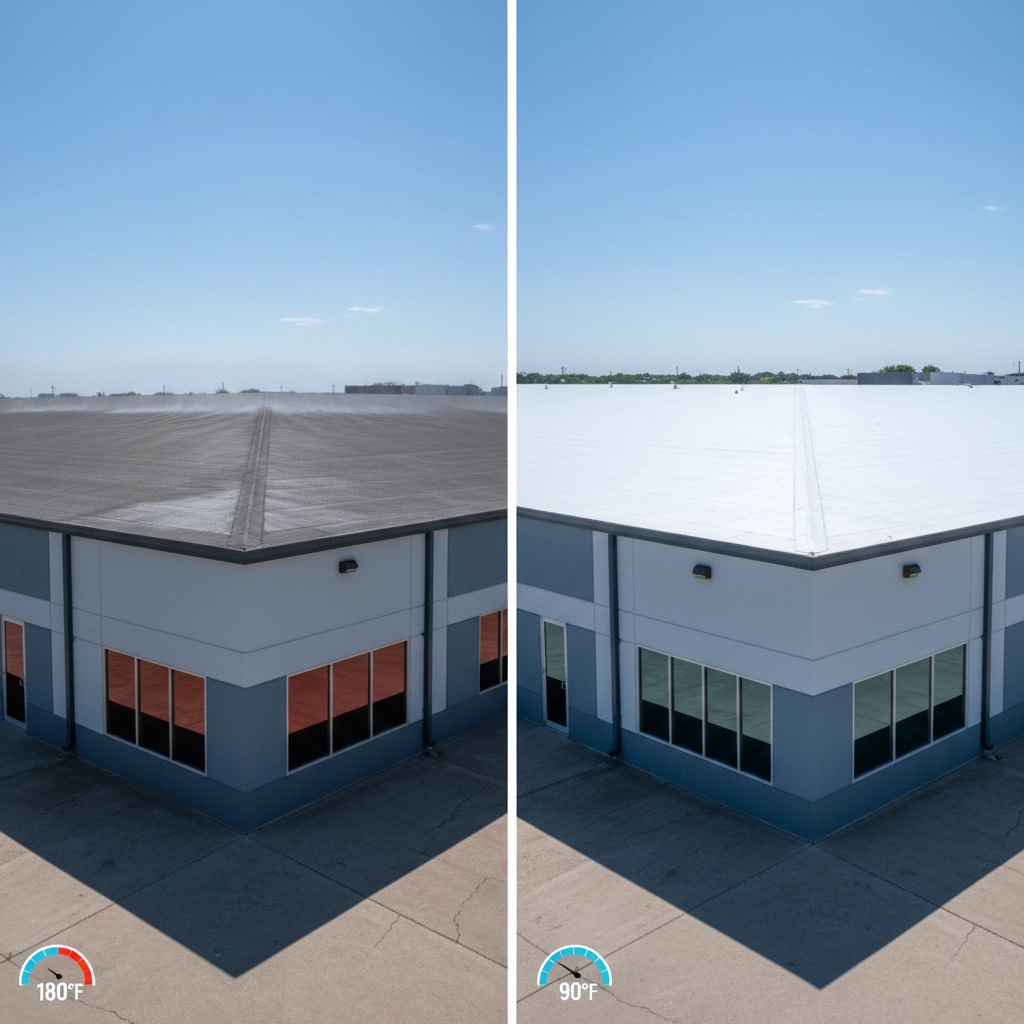
Here's the science that matters to your wallet: a clean white cool roof can stay up to 50°F cooler than a standard dark roof on the same Texas summer day. When your roof surface temperature drops by 50 degrees, your air conditioning system doesn't have to work nearly as hard to keep your building comfortable.
The numbers are compelling:
- 10-30% reduction in cooling energy use compared to traditional roofing
- 11-27% decrease in peak cooling demand during those brutal Texas afternoons
- Extended roof lifespan due to reduced thermal stress
- Lower maintenance costs from less heat-related deterioration
For commercial roofing texas properties, this translates into immediate and long-term savings that add up to thousands of dollars annually.
🏢 Traditional Roofing: The Hidden Energy Drain
Your standard commercial roof: typically made with dark asphalt, modified bitumen, or standard EPDM: is essentially a giant heat collector. Traditional roofs can reach surface temperatures of 150-190°F on a typical Texas summer day when ambient temperatures hit 95°F.
Here's what that heat absorption costs you:
- Your HVAC system runs longer cycles to counteract the heat transfer
- Peak demand charges from your utility company skyrocket during summer months
- Thermal cycling (heating up during the day, cooling at night) accelerates roof deterioration
- Higher maintenance and earlier replacement needs from material breakdown
The problem is especially severe in Texas because of our intense solar radiation and extended hot seasons. While a traditional roof might perform adequately in milder climates, it becomes a significant liability in our heat.
⚡ Energy-Efficient Roofing: The Side-by-Side Comparison
Let's look at the real-world performance differences between cool roof systems and traditional roofing for a typical Texas commercial building:
| Performance Factor | Cool Roof Systems | Traditional Roofing |
|---|---|---|
| Surface Temperature | 100-120°F | 150-190°F |
| Cooling Energy Reduction | 10-30% savings | Baseline (no savings) |
| Peak Demand Reduction | 11-27% lower | No reduction |
| Roof Lifespan | 20-30% longer | Standard lifespan |
| Maintenance Costs | 15-25% lower | Baseline costs |
| Installation Cost | Comparable to premium traditional | Standard baseline |
| ROI Timeline | 3-7 years | N/A |
🔥 Why Texas Makes Cool Roofs a No-Brainer
Texas's climate creates perfect conditions for cool roof performance. Our combination of intense solar radiation, high ambient temperatures, and long cooling seasons maximizes the energy savings potential.
Consider these Texas-specific factors:
- Solar radiation intensity: Texas receives some of the highest solar radiation levels in the continental U.S.
- Extended cooling season: Many Texas properties run air conditioning 8-10 months per year
- Peak demand pricing: Texas utilities charge premium rates during peak summer hours (typically 2-8 PM)
- Grid strain: Texas's electrical grid faces increasing summer demand, making energy efficiency critical
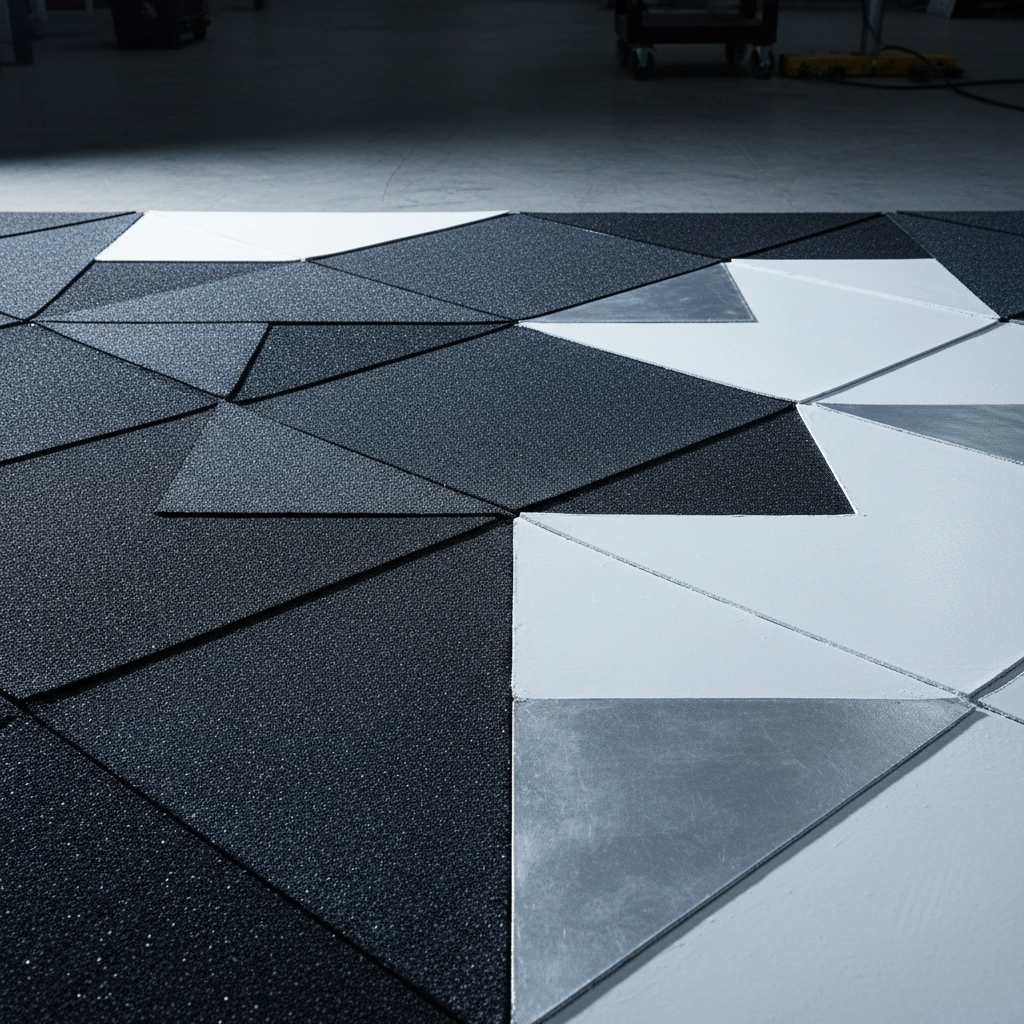
Roof coating texas applications are particularly effective because they can transform existing roofs without full replacement. A high-quality reflective coating can increase your roof's solar reflectance from 10-20% to 70-85%, delivering immediate energy savings.
💰 The Real Cost Analysis: What Your Energy Bills Will Look Like
Let's run the numbers on a typical 50,000 square foot Texas commercial building:
Traditional Roof Annual Cooling Costs:
- Average summer cooling: $18,000-$25,000
- Peak demand charges: $8,000-$12,000
- Total annual cooling costs: $26,000-$37,000
Cool Roof System Annual Cooling Costs:
- 20% average energy reduction: $21,000-$29,500
- Reduced peak demand: $6,000-$9,000
- Total annual cooling costs: $18,000-$26,000
Your annual savings: $8,000-$11,000
Over a 20-year period, that's $160,000-$220,000 in energy savings alone, not counting the extended roof life and reduced maintenance costs.
🛠️ Installation and Material Considerations
Cool roof systems come in several forms:
Reflective Membrane Systems:
- Single-ply membranes (TPO, PVC) with high solar reflectance
- Modified bitumen with reflective surfacing
- Built-up roofing with reflective cap sheets
Reflective Coatings:
- Acrylic-based roof coatings
- Silicone roof coatings
- Polyurethane coatings with reflective properties
The installation process for cool roof systems is comparable to traditional roofing, and many experienced commercial roofing texas contractors are well-versed in these technologies. Roof coating texas applications can often be completed over existing roofs, reducing installation costs and disruption.
📊 Making the Smart Choice for Your Texas Property
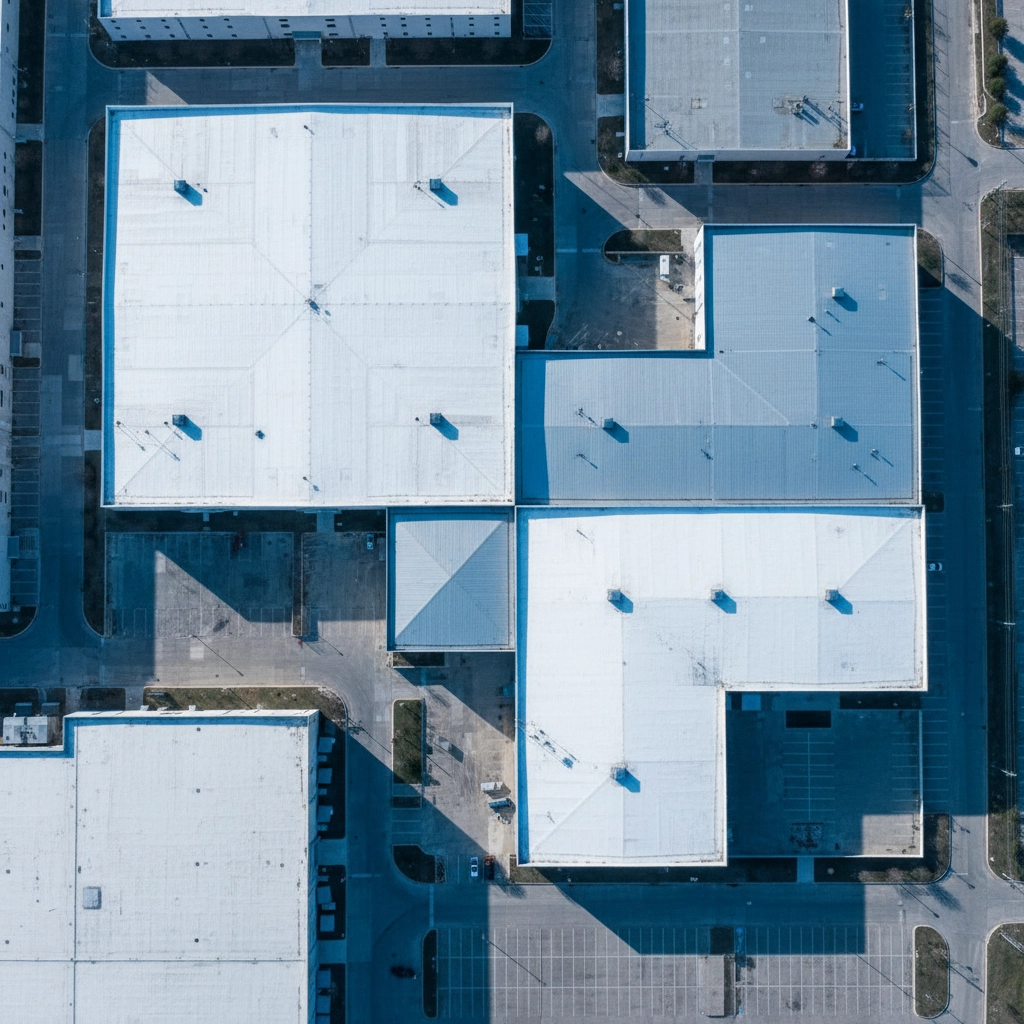
Choose cool roof systems if:
- You're planning a roof replacement or major renovation
- Your current energy bills are a significant operational expense
- You want to reduce your property's environmental impact
- You're looking for long-term operational savings
- Your building has minimal roof insulation
Consider traditional roofing only if:
- You're on an extremely tight initial budget (though cool roofs often cost the same)
- You're planning to sell the property within 2-3 years
- Aesthetic considerations outweigh energy efficiency (rare for commercial properties)
🎯 Your Next Steps
The math is clear: in Texas's climate, energy-efficient roofing pays for itself through reduced cooling costs, extended roof life, and lower maintenance needs. Cool roof systems texas installations are delivering measurable ROI for property owners across the state.
If you're ready to stop throwing money away on excessive cooling costs, it's time to evaluate your current roof's energy performance. A professional energy assessment can quantify your potential savings and help you choose the right cool roof solution for your specific building and budget.
The question isn't whether cool roofs work in Texas: it's whether you can afford to keep paying premium energy bills with traditional roofing technology. Every month you delay is money lost to unnecessary cooling costs.
To upload drawings, specs and plans please go to the form on our contact page.
Get in Touch