
Standing Seam Roofing Contractors Austin Texas

Commercial standing seam roof installation, replacement, retrofit, and corrective work planned around the building, panel system, and facility operations.

Discuss Your Project

Commercial roofing service

Standing Seam Roofing for Austin commercial facilities

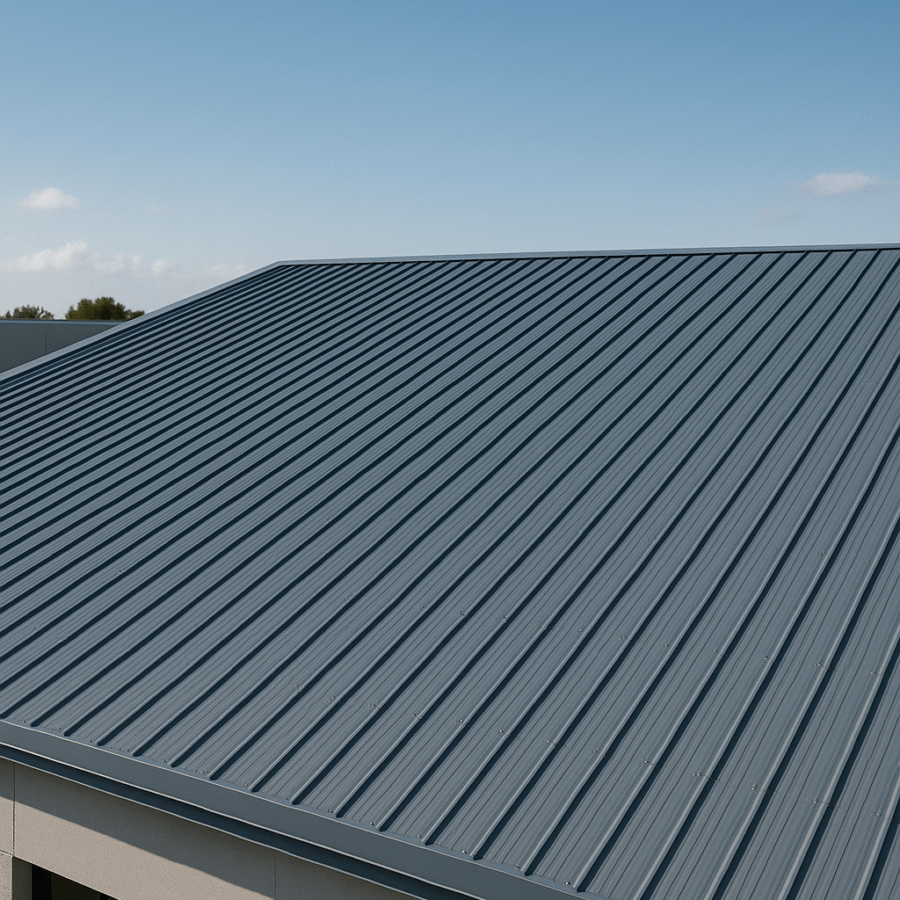
If you manage a standing-seam metal roof in Austin and need a condition review, defined scope, or quotation, this is the correct service page. Standing Seam Roofing decisions should begin with the actual assembly and the outcome required by the property team.

Total Cladding and Roofing plans commercial work around the building, roof or wall system, observed condition, access, weather exposure, occupied operations, interfaces, and documentation required for the project decision.

Commercial Roofing

When Standing Seam Roofing is the right route

This service applies when the property team needs to investigate, install, replace, restore, or correct the defined standing-seam metal roof. The extent must be based on field information, drawings and records where available, and any testing or design input that could change the scope.

What the site review needs to establish

The review should address panel profile and finish, supports, clips or attachment, seams, endlaps, movement, underlayment, insulation, penetrations, perimeters, transitions, drainage, corrosion, previous repairs, and interior sensitivity. Known limitations and inaccessible areas should be recorded so they do not become hidden assumptions in the proposal.

Project conditions in Austin

Austin projects must account for prolonged solar exposure, thermal movement, intense rain, hail, wind, rapid weather changes, and the access and operating constraints of active Central Texas facilities.

Standing Seam Roofing service routes

The final route depends on the existing condition and the building objective. Common scopes include:

Build a property-specific specification

The scope should identify included roof areas, measured quantities, preparation, removal or repairs, materials, system components, details, access, lifting or staging, weather limits, interior protection, inspection points, exclusions, allowances, and closeout records. Product names should be tied to the complete assembly and current technical requirements.

Plan work around an active facility

Operating hours, people, tenants, inventory, production, equipment, air intakes, security, deliveries, parking, interior sensitivity, shutdowns, noise, odor, dust, work zones, and daily handback can all affect the installation method and sequence. These constraints should be discussed before pricing.

Quality records and handover

Useful project records can include approved submittals, roof plans, product data, condition photographs, repair and detail photographs, weather or material-use logs where relevant, inspection notes, changes, punch-list completion, maintenance information, and the written warranty documents supplied for the selected project.

Choose the next responsible step

The next step may be a visual survey, safe access review, moisture or adhesion testing, measured scope, design coordination, budget comparison, temporary protection, repair, restoration, recover, or replacement. The purpose of the first review is to define which information is still needed and which route fits the property.

Start with the property information

Discuss Standing Seam Roofing in Austin

Share the property address, building use, known system, current concern, drawings, photographs, repair history, access rules, operating constraints, and decision date. Total Cladding and Roofing can use that information to define the appropriate next review or quotation scope.

Discuss Your Project

Frequently asked questions

Standing Seam Roofing In Austin FAQs

When should a property team consider standing seam roofing in Austin?

Consider standing seam roofing in Austin when the decision involves panel profile, material and finish, supports, clips, seams, movement, penetrations, perimeters, drainage, access, and installation sequence. The first step is to confirm the existing assembly, the extent of the condition, and what the building must continue doing during the work.

What does the initial site review for standing seam roofing in Austin cover?

The review should document a commercial or industrial standing-seam roof project in the Austin area, visible defects, adjacent details, drainage, penetrations, previous work, access, and relevant conditions inside the building. It should also identify areas that cannot be confirmed visually.

What information helps produce a useful standing seam roofing in Austin quote?

Provide the address, building use, known system, drawings or specifications, photographs, leak and repair history, warranty records, access rules, operating restrictions, desired timing, and the decision the quote needs to support.

Can standing seam roofing in Austin be planned around an occupied facility?

Often, but the work plan must reflect people, inventory, production, tenants, air intakes, noise, odor, access routes, weather exposure, shutdown windows, and daily handback requirements. Those constraints should be priced and scheduled rather than assumed.

How is a limited repair separated from a wider scope?

The decision depends on the extent of defects, surrounding material condition, concealed moisture, substrate or deck condition, recurring history, compatibility, and the owner's objectives. A localized symptom should not be treated as the entire diagnosis.

When might testing be needed before standing seam roofing in Austin?

Testing may be appropriate when moisture, adhesion, attachment, material identity, concealed layers, structural condition, or compatibility could change the recommendation. The method and locations should be tied to a specific unanswered question.

How are penetrations, drainage, edges, and adjoining construction handled?

They should be included in the same scope review as the main work area. Water can enter or move through curbs, walls, gutters, drains, edges, equipment, and transitions, so treating only the visible field may leave the cause unresolved.

What should a standing seam roofing in Austin proposal clearly include?

Look for defined work areas, preparation, removals, repairs, materials, quantities or allowances, details, access, temporary protection, responsibilities, exclusions, inspection points, schedule assumptions, and closeout requirements.

Which completion records should the property team request?

Useful records can include dated photographs, repaired locations, product information, test or inspection results included in the scope, change records, punch-list completion, maintenance guidance, and warranty documents applicable to the completed work.

How should owners compare quotes for standing seam roofing in Austin?

Compare the same roof areas, preparation, repairs, assembly components, details, access, protection, allowances, exclusions, schedule, inspections, and closeout. A lower total may reflect a different scope rather than a better price for the same work.

We offer our services throughout Texas, with project scope and scheduling confirmed for each facility

Trained and Certified Team

Our technicians are fully trained in advanced coating systems, ensuring your roof is protected with the latest application techniques.

Professional From Start to Finish

We treat every project with care, precision, and respect—delivering clean, efficient service with minimal disruption to your business.

Premium Coating Systems

We only use trusted, industrial-grade coating products tested for performance in Texas heat, UV, and storms—no cheap shortcuts.

Detailed Roof Assessments

Our expert assessors provide honest evaluations, thermal photos (if available), and clear proposals—so you know exactly what your roof needs.

Trusted in Texas

Trusted across Texas for high-performance roof coatings, weatherproofing, and energy-efficient building protection

Rustoleum Logo
Sika Logo
Kingspan Logo
Morin Logo
American WeatherStar Logo
GAF Logo
TAMKO Logo
PAC-CLAD Logo
1

Get in touch

Take the first step to improving your building by contacting our professional team.

2

Arrange a site visit

Book a site visit with our team and we can fully assess your needs and listen to your requirements.

3

Receive your quote

We’ll then present you with a quote for all the work proposed so that you can see our recommendations and prices.

4

Plan your project

Work with our professional team to plan your project to meet your requirements.

5

Begin your project

Once approved, the work can begin to bring your roof or cladding up to standard.

6

Final Handover

Once your new roof or cladding is complete, we will do a final handover to bring the project to a close.