Table of Contents
- Roof Refurbishment vs Replacement: The Cost Breakdown
- When Is Roof Refurbishment the Better Option?
- Metal Roof Restoration Cost: What Affects the Price
- Signs You Need a Roof Replacement
- Commercial Roof Maintenance Schedule and Its Impact on Longevity
- When to Replace a Commercial Roof: Building Codes and Structural Integrity
- Insurance, Energy Efficiency, and Long-Term ROI
- Frequently Asked Questions
Last Updated: September 23, 2026
Roof Refurbishment vs Replacement: The Cost Breakdown
When a commercial roof shows signs of wear, the question is whether roof refurbishment cheaper than replacement, and by how much. For facility managers and property owners, this decision directly impacts capital budgets, operational timelines, and building performance.
Refurbishment can be a more cost-effective option upfront, but the actual savings depend on structural integrity, remaining service life, and project timeline. A roof with solid decking and minor surface degradation can often be restored at a fraction of replacement cost. However, a roof with compromised underlayment or structural damage typically requires replacement regardless of potential savings.
Total Cladding and Roofing LLC helps Texas facility managers make this decision through detailed building investigation. We assess actual condition, estimate remaining service life, and show real numbers for both paths to determine whether refurbishment makes sense or replacement is inevitable.
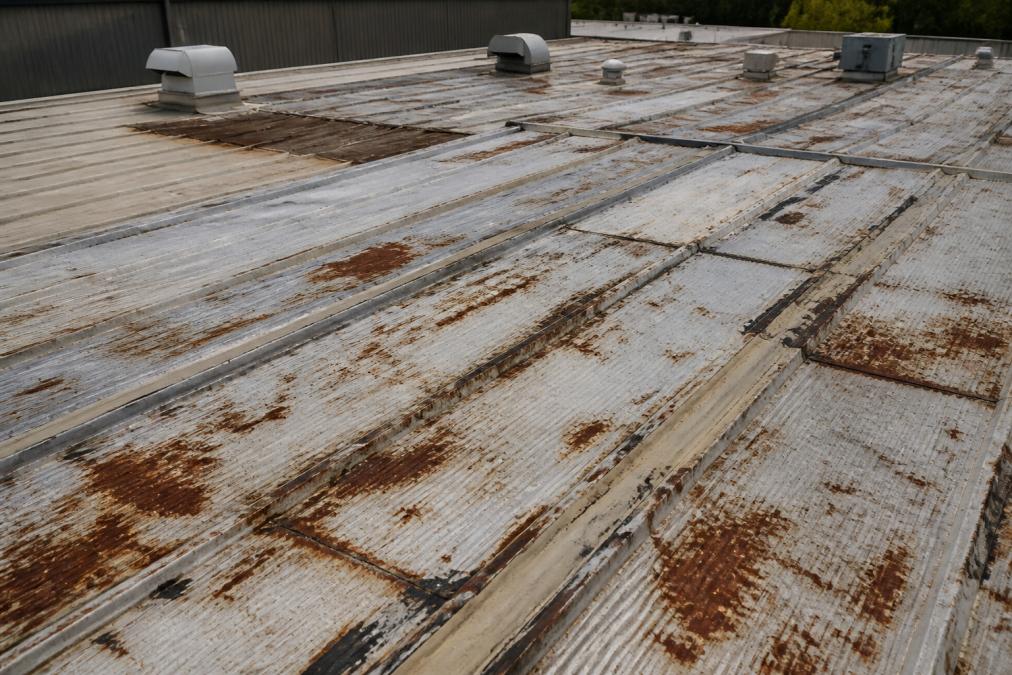
Cost comparison depends on material condition, labor intensity, and completion time. Refurbishment addresses surface degradation, failed coatings, and minor water infiltration through cleaning, recoating, and flashing repairs. Replacement tears off the entire system and installs new decking, insulation, and material. Refurbishment can be a more cost-effective option when the structure is sound, making roof refurbishment a viable alternative when structural repairs are minimal.
Refurbishment can be completed in days or weeks with minimal disruption. Replacement typically requires 2-4 weeks. For facilities that cannot afford extended downtime, refurbishment buys years of additional service life while you plan replacement on your schedule.
Get a professional roof inspection before deciding. Visual assessment misses critical damage, failed underlayment, wood rot, or structural deflection, that changes the entire equation. A detailed inspection costs a few hundred dollars and prevents a $400,000+ mistake.
When Is Roof Refurbishment the Better Option?
Refurbishment can be the preferred option when three conditions align: the structure is sound, remaining service life justifies investment, and minor performance limitations are acceptable.
Your roof is a candidate for refurbishment if it meets these criteria:
- Roof decking is intact. No soft spots, deflection, or visible rot.
- Water infiltration is localized. Leaks in specific areas rather than widespread moisture.
- Shingle degradation or coating failure is the primary issue. Granule loss, chalking, or UV damage are surface problems.
- The roof is less than 75% through its design life. A 20-year roof at year 15 is a candidate; at year 22 it needs replacement.
- Your budget allows for refurbishment now and replacement in 8-12 years. Refurbishment extends service life but doesn’t reset the clock.
Refurbishment is not the right choice if structural damage is present, building codes require replacement, or the roof has failed its primary function. You’re deferring a necessary expense while risking further damage.
Applying a coating to a roof with failed underlayment is like painting over rust. The coating seals moisture inside, accelerating hidden decay. Always address underlayment condition before choosing refurbishment.
Metal Roof Restoration Cost: What Affects the Price
Metal roof restoration on standing-seam systems, metal shingles, or insulated metal panels involves different variables than asphalt shingle refurbishment. Metal roofs are known for their longevity, but coatings can fail, fasteners corrode, and seams may open before the substrate fails.
Restoration cost depends on five factors:
Coating condition and recoat requirements. Chalky, UV-damaged coatings need cleaning and recoating. Failed coatings with bare metal exposure need surface preparation, primer, and finish coats. Cost scales with roof area and accessibility.
Fastener and seam condition. Corroded fasteners must be replaced; open seams must be sealed. Extensive fastener replacement significantly increases labor cost.
Underlayment and moisture barriers. Moisture penetration may require underlayment replacement, adding labor, material cost, and project timeline.
Substrate condition. Solid standing-seam systems can be restored in place. Deteriorated insulation or decking may require partial replacement, blurring the line between refurbishment and replacement.
Roof complexity. Penetrations, skylights, HVAC curbs, and irregular geometry increase labor time and cost per square foot.
Total Cladding and Roofing LLC approaches metal roof restoration with staged assessment: photograph, test coating adhesion, probe for moisture, and check fastener integrity. This determines scope and prevents cost surprises.
Metal roof restoration can extend service life when the substrate is sound. Coatings protect the metal.
Signs You Need a Roof Replacement
Replacement becomes necessary when structural integrity is compromised, building codes require it, or refurbishment cost approaches replacement cost. These warning signs indicate replacement is the right path:
Widespread water infiltration. Leaks in multiple locations, water stains in different areas, or moisture readings showing damp decking across large sections indicate the roof’s primary function has failed.
Visible structural damage. Soft spots, deflection, sagging, wood rot, or rust-through indicate compromised load-bearing capacity.
Fastener failure across the roof. If more than 10-15% of fasteners are corroded, missing, or pulling out, the entire fastening system is at end of life. Spot repairs won’t hold.
Underlayment failure. Deteriorated, missing, or saturated underlayment that cannot be repaired without removing the roof surface means water protection is gone.
Age approaching or exceeding design life. Once design life is exceeded, failure accelerates.
Building code updates requiring replacement. Some jurisdictions updated wind resistance or fire rating codes. Older roofs may no longer meet current standards.
Insurance or lender requirements. Some policies or mortgages require roof replacement if age or condition falls below a threshold.
When two or more conditions are present, replacement typically makes financial sense and avoids the risk of investing in a roof that fails within 2-3 years.
Commercial Roof Maintenance Schedule and Its Impact on Longevity
A structured maintenance schedule can extend roof life. Roofs inspected and maintained regularly often outlast neglected roofs.
Effective maintenance schedules include:
Spring and fall inspections. Twice yearly, check for debris accumulation, standing water, open seams, fastener corrosion, and coating damage.
Gutter and drain cleaning. Clogged drains cause ponding, which accelerates coating failure and water infiltration. Clean quarterly, more often if trees are nearby.
Fastener inspection and replacement. Check fastener tightness annually and replace corroded or missing fasteners immediately.
Coating condition assessment. Inspect coating condition annually. Recoat when chalking or UV damage reaches 20-30% of the surface to prevent underlying metal damage.
Flashing and penetration sealing. Check all roof penetrations, skylights, HVAC curbs, and edge flashing annually and reseal as needed.
Debris removal. Remove leaves, branches, and accumulated dirt. Debris traps moisture and accelerates degradation.
A maintenance schedule can prevent emergency repairs, extend service life, and reduce the total cost of ownership. Neglect can lead to accelerated failure and emergency repairs.
Industrial facilities and multi-building portfolios where coordinating maintenance across multiple roofs is complex. A structured schedule prevents the chaos of unexpected failures and unplanned downtime.
When to Replace a Commercial Roof: Building Codes and Structural Integrity
Building codes govern when replacement is mandatory, independent of the roof’s condition. Understanding your jurisdiction’s requirements prevents costly compliance violations and insurance claim denials.
Roof wind resistance ratings. Most jurisdictions require roofs to meet specific wind resistance standards based on geographic location and building height. Older roofs may not meet current standards. If you’re replacing the roof, the new roof must comply. If you’re refurbishing, check whether local code allows refurbished roofs or requires replacement to meet current standards. Some jurisdictions allow refurbished roofs to remain under “grandfathered” provisions; others require compliance.
Fire rating requirements. Class A fire ratings are required in many areas. Older roofs may be Class C. Refurbishment can sometimes improve fire rating through added materials; replacement guarantees compliance.
Load capacity and snow load requirements. Roofs must support local snow load, wind load, and equipment weight. If a structural assessment shows the roof cannot safely support current loads, replacement is required regardless of surface condition.
Seismic requirements. In seismic zones, roof attachment and bracing must meet current standards.
Insurance, Energy Efficiency, and Long-Term ROI
The true cost of a roof decision extends beyond material and labor. Insurance implications, energy performance, and long-term building value matter equally.
| Factor | Refurbishment | Replacement |
|---|---|---|
| Upfront cost | Lower (40-60% of replacement) | Higher |
| Service life extension | 8-12 years | 20-30 years |
| Disruption to operations | 1-4 weeks | 2-4 weeks |
| Building codes | May require upgrade | Always compliant |
| Energy efficiency | Minimal improvement | Significant improvement (with cool coatings) |
| Insurance coverage | Requires maintenance records | Full coverage with new warranty |
| Long-term ROI | Good for 8-year hold | Better for 15+ year hold |
| Risk of failure | Moderate (depends on inspection accuracy) | Low (new system) |
Frequently Asked Questions
Is roof refurbishment cheaper than full replacement?
Roof refurbishment typically costs 40-60% less than full replacement, depending on the roof’s structural integrity and material type. Refurbishment works best when the underlying structure is sound and damage is limited to surface degradation, coating failure, or minor leaks. Full replacement becomes necessary when structural damage, widespread water infiltration, or material fatigue compromises the roof decking or underlayment. A professional inspection determines which approach protects your building long-term.
How does metal roof restoration cost compare to replacement for commercial buildings?
Metal roof restoration typically ranges from 30-50% of replacement costs, making it attractive for facilities with sound structural systems. Restoration involves cleaning, recoating, flashing repair, and addressing corrosion, work that extends the roof’s service life by 10-15 years. Replacement requires tear-off, new decking assessment, and complete installation. The choice depends on the roof’s current condition, remaining structural integrity, and your facility’s operational timeline. Total Cladding and Roofing LLC can assess whether restoration or replacement maximizes your building’s value.
What factors determine whether I should repair, restore, or replace my roof?
Key factors include roof age, extent of water infiltration, structural integrity of the decking, local building codes, and your facility’s operational needs. Roofs under 15 years old with minor leaks and sound structure are candidates for repair. Roofs 15-20 years old with surface degradation but intact structure benefit from restoration. Roofs over 20 years old, showing widespread structural damage, or failing to meet current building codes typically require replacement. Professional roof inspections reveal the true condition beneath visible damage, guiding the most cost-effective decision.
Can a commercial roof maintenance schedule prevent the need for replacement?
Yes. A structured maintenance schedule, including biannual inspections, debris removal, flashing checks, and prompt leak repairs, significantly extends roof lifespan and delays replacement. Regular maintenance prevents water infiltration, catches material fatigue early, and maintains the moisture barrier. Properties that follow preventative maintenance schedules often extend their roof’s service life by 5-10 years compared to neglected roofs. This reduces total cost of ownership and allows facility managers to plan replacement on their timeline rather than in response to emergency failure.
To upload drawings, specs and plans please go to the form on our contact page.
Get in Touch