Insulated Metal Panel Roofing Contractors Round Rock Texas

Commercial insulated metal panel roof systems coordinated around panel selection, structure, joints, thermal continuity, openings, lifting, and operations.

Discuss Your Project

Commercial roofing service

Insulated roof panels for new and existing buildings

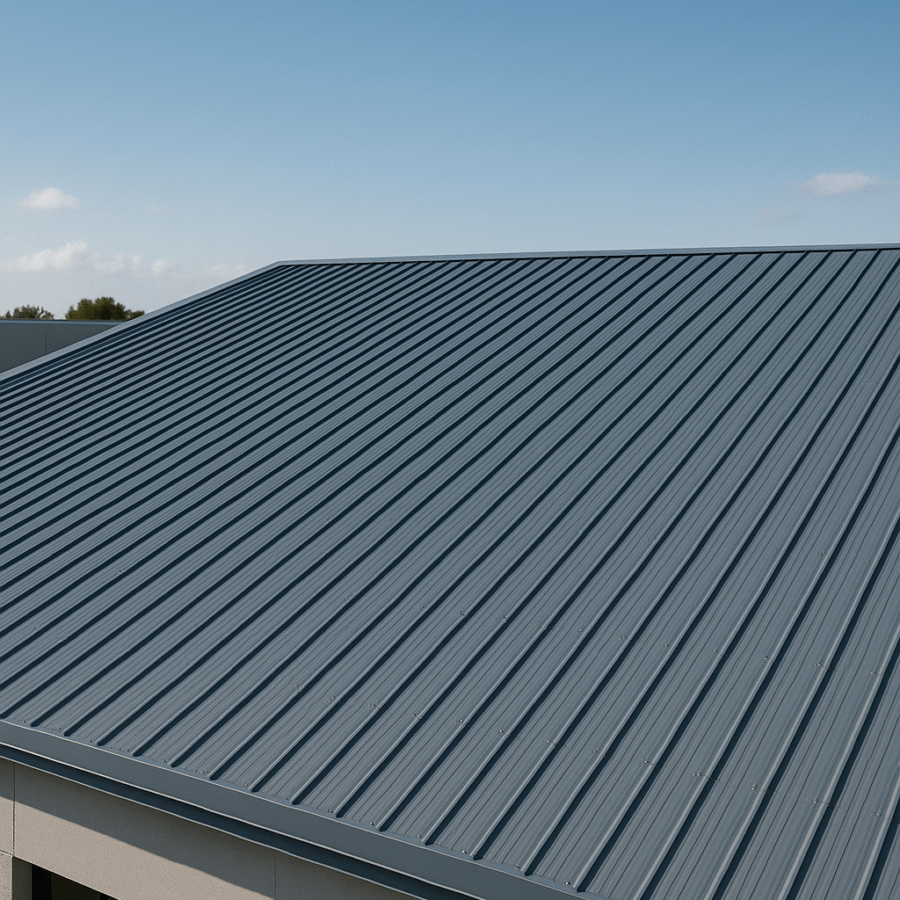
Insulated metal panel roofing can be used on a new commercial building, an extension or a replacement roof. Total Cladding and Roofing discusses these projects in Round Rock with owners, general contractors and design teams, including how the panels connect to the rest of the building.

For an existing property, leaks and panel damage need investigation before a matching replacement or wider refurbishment is selected.

Foam composite roof installation and repair

A complete panel roof, not just an insulation layer

An insulated roof panel has inner and outer metal faces bonded to an insulating core. It provides several parts of the roof assembly in one unit, but still depends on correctly designed supports, panel joints and flashings. Its performance cannot be judged by insulation thickness alone.

Joining a new roof to an existing building

An extension may have different support levels, panel profiles or movement from the original building. The transition between the two roofs needs a deliberate detail. Matching the color while leaving a difficult junction unresolved does not produce a reliable roof connection.

Choosing roof panels for the indoor use

A warehouse, cooled workspace and refrigerated room can have different temperature and humidity conditions. Those conditions affect insulation and joint sealing requirements. Product selection belongs with the building design so the inner face, core and connections suit the intended use.

Insulated panel roofing services

New commercial roofs

Coordinate the specified panels with support spacing, roof slope, openings and drainage before installation.

Building extensions

Plan the junction between new and existing construction, including differences in profile, level and movement.

Damaged-panel replacement

Identify the existing panel and assess neighboring joints before deciding the extent of removal.

Leak investigation

Examine panel joints, flashings and roof penetrations, and distinguish rainwater entry from condensation where necessary.

Delivery, storage and lifting

Long panels need enough room for unloading and a lifting method that protects their faces and edges. Delivery access and installation sequence are linked: storing a whole roof package may not be practical on a restricted site. We discuss these arrangements before mobilization.

Openings and other trades

Roof-mounted equipment, ducts and pipework need supported openings and suitable flashing details. Late changes can require cutting completed panels or altering seals. Sharing current equipment drawings before panels are ordered helps avoid unnecessary rework.

What affects installation pricing?

Panel lengths, thickness, finish, roof height and access affect the price, along with flashings and the number of openings. Replacement adds removal and temporary protection. A quotation against drawings can be developed more accurately when the panel specification and trade responsibilities are clear.

Maintaining the installed roof

Protect panel finishes from damage and keep drains and gutters clear. New penetrations need compatible details, and damage at a joint deserves investigation even if the visible dent is small. Retain the panel information so future repairs can be matched to the installed system.

Talk to our team

Discuss an insulated panel roof in Round Rock

Contact TCR with the site address, project stage and any drawings available. Tell us whether you need installation pricing, replacement advice or help investigating an existing roof problem.

Discuss Your Project

Frequently asked questions

Insulated Metal Panel Roofing In Round Rock FAQs

What is an insulated metal panel?

A factory-made panel with an insulating core bonded between metal faces. The specific product determines its intended roof or wall application.

Can a wall panel be used as a roof panel?

Not unless it is designed for that use. Roof slope, loads, support spacing and joint details must suit the selected roof panel.

Does a damaged panel always need replacement?

No. The choice depends on whether damage affects the finish, metal face, core or joint and whether a suitable repair can restore the affected component.

How do you match an existing panel?

Identify profile, cover width, thickness, joint geometry and finish using records, labels and measurements. Thickness alone is not enough.

Can panel joints cause condensation problems?

Air leakage through joints or openings can bring moisture to cold surfaces. Indoor conditions and seal continuity need consideration alongside insulation.

Can one panel be replaced without disturbing others?

It depends on the joint arrangement and installation sequence. Adjacent panels or trim may need to be released and reconnected.

Can panels be installed over occupied space?

The work may need isolation and temporary enclosure below. Removing a panel opens the building envelope and can affect temperature and humidity.

Are lifting and delivery included in the quotation?

They need to be identified in the installation proposal. Long panels require suitable handling and adequate access at the site.

Does panel thickness establish the whole roof's performance?

No. Joints, supports, openings and other components affect the finished assembly alongside the panel's own published values.

How do I request a panel project review?

Send the address, project type and available drawings or photos. State whether the need is new installation, replacement or investigation of a leak.

UK refurbishment experience, a Texas office

Refurbishment specialists

Our business grew through roof and cladding refurbishment in the UK. That experience shapes the work we now offer from our Texas office.

Repair what can be retained

We investigate the roof problem and explain what can be repaired, restored or replaced, so you can decide how to invest in the building.

Roofing and cladding together

We can coordinate roof, insulation, wall panel and drainage work, including the connections where separate repairs can leave problems behind.

A plan for your working building

We agree access, work areas and protection with your site team, including any restrictions needed while the roof is opened.

Roofing and cladding systems

Roofing systems and materials for Texas facilities

Rustoleum Logo
Sika Logo
Kingspan Logo
Morin Logo
American WeatherStar Logo
GAF Logo
TAMKO Logo
PAC-CLAD Logo
1

Tell us about the building

Start with the address and the roof or cladding problem. Photographs are helpful if you already have them.

2

Arrange a site visit

We review the affected areas and discuss how you use the building and what you want the work to achieve.

3

Review the quotation

Your quotation explains the proposed repairs or refurbishment, the areas included and the price.

4

Agree the work plan

We discuss timing, access, deliveries and protection with your site contact before work begins.

5

Complete the work

We carry out the agreed work and discuss any changes needed if opening the roof reveals additional damage.

6

Handover

We review the completed work and provide the care information and documents included in your project.