Ranch Roofing in Uvalde, Texas

Roof repairs and replacement for ranch homes, barns and working buildings around Uvalde. Talk to TCR about the roofs on your property.

Residential and ranch roofing

Roofing for homes, barns and agricultural storage

A working farm or ranch needs sound roofs over the home, equipment and stored materials. TCR provides roof repairs and replacement around Uvalde, bringing residential and agricultural roofing into one practical service.

Whether you have a leaking equipment shed, storm-damaged metal roofing or a home ready for a reroof, we assess the condition and explain the work needed. The proposal separates the buildings and their priorities so you can plan the investment clearly.

Request a roofing quote or call (210) 775-0995 to discuss your property.

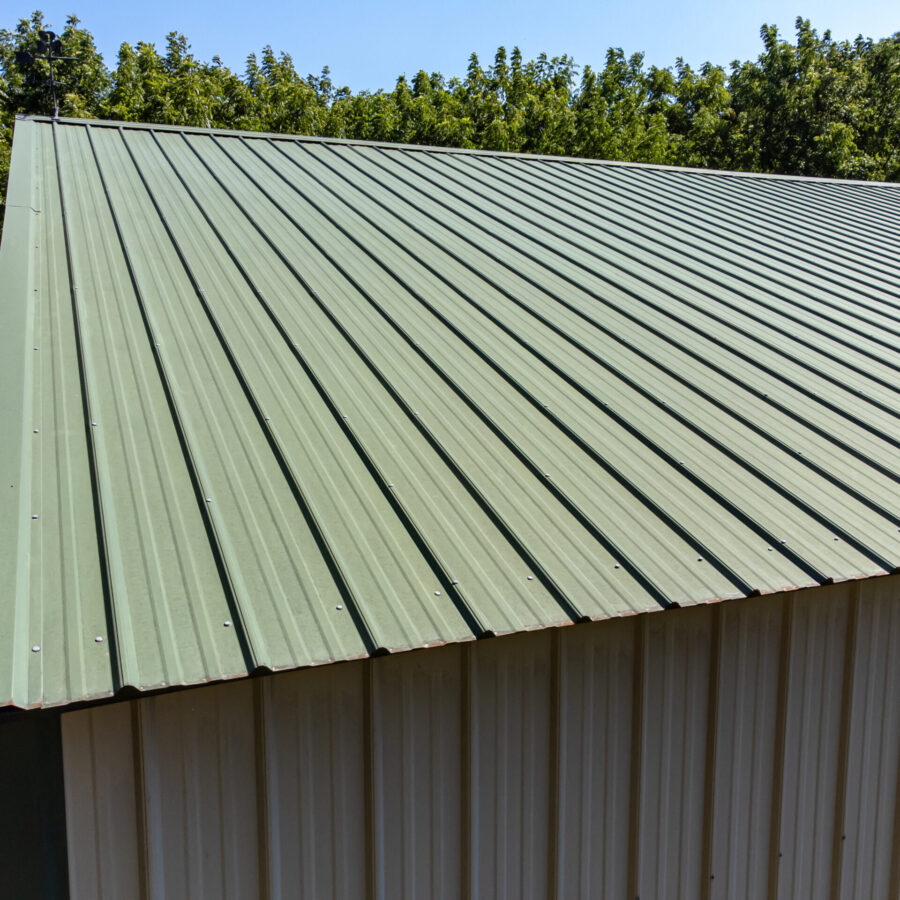
Green profiled metal roof on an outbuilding

Start with what the roof needs to protect

Water over a machine, feed store or occupied room can quickly change the importance of a roof defect. We discuss the use of each affected building before defining the work, alongside the roof’s visible condition and leak history.

That helps distinguish an urgent repair from a planned replacement. A serviceable roof with a failed detail may need targeted work, while a broadly deteriorated covering may justify a reroof. The recommendation should follow the condition and consequences, rather than assume every building needs the same solution.

A property with both agricultural and residential buildings needs more than a list of roof areas. The use of the space below each roof helps determine the consequences of water entry and the practical arrangements for the work. We discuss those uses with the owner so the recommendation follows the building as well as the defect.

For an equipment building, the immediate concern may be water reaching machinery or tools. In a storage building, it may be keeping particular materials dry. The home introduces occupied rooms and finished interiors. These differences help set priorities, but the roof condition still needs assessment before deciding how much work is appropriate.

The quotation can distinguish a targeted repair from a planned replacement on another building. That gives the owner a clear way to see which problem each item addresses. Optional work can be reviewed separately, and the scope can identify the connections to roofs or walls that will remain. This is more useful than a single broad description covering every building.

Tell us about future changes to the property as well. An open shelter being enclosed, a workshop extension or a building moving into residential use may need a different roofing brief. TCR considers the proposed work in relation to those plans, helping you decide whether the next investment should retain the present roof arrangement or prepare for a change in use.

A useful proposal can show the difference between addressing an active leak and planning for a roof that is becoming difficult to maintain. Those tasks may belong on separate buildings and have different priorities. The owner can then decide the sequence with a clear understanding of the recommended work. TCR discusses the roof condition and the building use together, helping the investment follow the property’s actual needs. The result is a more practical starting point than assuming every roof in a mixed farm or ranch project must be replaced at once.

Metal roofing for equipment buildings and barns

Exposed-fastener roofs need sound panels, fixings and weathering details. Fasteners, laps, ridges and the connections to walls can all be relevant to a leak. We assess those areas as part of the complete roof assembly.

For replacement, the scope identifies removal, retained construction, the selected covering and associated flashings. An open equipment shelter and an enclosed agricultural store may have different requirements below the roof. We consider those uses when discussing the specification.

A repair to an exposed-fastener roof needs to work with the existing construction. The panel profile, connection and surrounding materials should be assessed together. We identify the area being repaired and explain what remains in place, so the owner understands the purpose and boundaries of the proposed intervention.

When replacement is required, the complete assembly includes more than the new sheets. Attachment, ridges, edges, penetrations and relevant flashings all need to suit the selected system. The supports and retained components also need consideration. The proposal identifies the agreed work and explains how concealed conditions will be handled if they become visible during removal.

Rooflights, gutters and wall connections may deserve attention while the roof is being renewed. If an existing component is leaking or deteriorated, bring it into the discussion. It can be assessed alongside the covering and included in the quotation where agreed. Leaving those interfaces unexplained can make a panel replacement look complete while a separate roofing problem remains.

An open equipment shelter may require a different assembly from an enclosed agricultural store. Moisture, insulation and internal use need to be considered with the roof. TCR explains the proposed specification by building, allowing the owner to compare the work on its actual purpose rather than assume matching external panels mean every roof should be built the same way.

An equipment building illustrates why the space below matters. A roof repair over an empty bay may need different practical arrangements from work directly above machinery that is in regular use. The defect still needs a compatible construction solution, but the work plan must account for the affected area. We discuss these requirements with the owner before starting and identify the roofing included in the proposal. That connects the repair or replacement to the working building, rather than treating it as a surface that can be opened without preparation.

The ranch home remains a residential project

Roofing above living space needs attention to insulation, indoor moisture, roof junctions and the appearance of the finished roof. We provide residential repairs and replacement alongside agricultural work, with suitable metal and shingle options.

The home may have porches, additions or lower roof areas that need different details from the main covering. These are discussed before the scope is agreed, so the project deals with the connections as well as the broad roof surface.

The home introduces decisions about appearance, comfort and the practical effects of the work. Shingles, R-panel and standing seam can provide different options where suitable, but each needs an assembly matched to the roof. We discuss the supporting construction, selected materials and details around edges and openings before defining the replacement scope.

Known leaks should be part of the brief even if you have already decided to reroof. Water appearing beside a wall, porch or addition can identify a junction that needs specific attention. Replacing the main covering is only part of that work if the problem also involves a connection to retained construction. TCR reviews the relevant boundaries and identifies the included flashings.

Insulation and moisture concerns also deserve a separate explanation. A new external covering can address agreed weathering defects, but it should not be assumed to resolve every internal condition. Tell us about damp insulation, dripping or rooms whose use has changed. Those observations help establish which roofing and building-envelope questions need to be considered together.

The practical plan for an occupied home may differ from the plan for an equipment barn. We discuss access, protection and the spaces below the work, keeping the residential portion identifiable within a combined property project. You can then review the roofing work and its arrangements for the house without losing sight of the agricultural buildings being addressed alongside it.

Storm damage across a mixed property

After a storm, damage can differ between the house, barns and shelters. We assess the affected roofs and explain the proposed work by building. That makes it easier to distinguish the storm-related repair requirement from older deterioration or separate improvement options.

If a claim is involved, TCR can provide roof observations and a quotation for the construction work. The insurer determines coverage. You remain able to review the actual roofing scope and understand what will be repaired or replaced.

A storm can create a need to review several roofs at once, but the findings still need to be separated by building. The home, barn and shelter may have different materials, previous repairs and existing deterioration. We assess the relevant roof areas and explain the proposed construction work for each one.

Tell us what changed after the event and what was already a concern. New water marks, damaged covering or altered roof details help identify the areas for review, while earlier records can explain the roof history. The recommendation should distinguish the observed condition from the work needed to address it, so the owner has a clear basis for understanding the quotation.

Associated components may need attention as part of panel or covering replacement. If flashings, edges or penetrations connect directly to the roof being renewed, their treatment should be visible in the scope. A longstanding issue elsewhere can be identified separately. This keeps different construction requirements understandable when several buildings are being considered at the same time.

If an insurance claim forms part of the project, TCR can explain its roofing observations and estimate. Coverage decisions remain with the insurer. The owner can still review the proposed work by building, ask which areas will be retained and understand how additional concealed deterioration would be handled. A clear construction proposal is useful regardless of how the project is being funded.

Fit the roof work around essential activity

We discuss equipment routes, storage, livestock where present and the areas below the roofing work. Protection and temporary restrictions need to be agreed before a roof is opened. Seasonal or time-sensitive activities can be raised when planning the project.

The quotation identifies the work and the arrangements for handling concealed deterioration. If several buildings need attention, a phased scope can be discussed. Contact TCR with the location and your main roofing concerns; we will help establish the next step toward a proposal.

Working around essential activity starts with identifying the spaces and routes affected by the roof work. Equipment access, stored materials and any livestock areas should be discussed before opening the roof. The necessary protection or temporary restrictions depend on the particular stage and building, rather than on one standard arrangement for the whole property.

The owner can help identify when a building is needed most and which activities are difficult to move. We consider those requirements while discussing the project sequence. Where stages are agreed, the quotation should make clear what is completed at each stage and what remains for later. The construction boundaries still need to be understood between new and retained roofing.

Cost decisions are easier when the proposal identifies the work behind the price. Roof geometry, removal, preparation, selected materials, access and associated detail work all contribute to the project. TCR explains the scope and any options so the owner can compare the roofing investment alongside the practical demands of the farm or ranch.

Once work is complete, retain the project description and the care information included with the selected roof. That record helps distinguish repaired, replaced and unchanged areas across a mixed property. It is useful when another building needs attention or when future work will connect to the roof. Contact TCR about your Uvalde-area property and we will help define the next step from the condition you are seeing to a roofing proposal.

Talk to our team

Discuss your Uvalde ranch roofing project

Tell us which roofs need attention and what you want the work to achieve. We will discuss the property, the assessment and the route to a clear roofing quotation.

Request a roofing quote or call (210) 775-0995.

Request a Roofing Quote

Frequently asked questions

Ranch Roofing in Uvalde, Texas FAQs

Can you include farm and ranch buildings in one project?

Yes. We assess the roofs individually and define their work within a coordinated proposal.

Do you reroof equipment sheds?

Yes. The condition, construction and protection requirements guide the proposed replacement scope.

Can roofing work include the ranch home?

Yes. Residential requirements are considered separately from those of agricultural buildings.

Can you assess several roofs after hail?

Yes. The affected roofs can be reviewed individually to establish the proposed repair or replacement work.

Can seasonal farm activity be considered when planning the work?

Tell us about essential activities and access needs so the project arrangements can be discussed.

Do you decide insurance coverage?

No. We explain the roof observations and construction quotation; the insurer makes coverage decisions.

Can the roof work be split into stages?

We can discuss a phased scope by building, with priorities, protection and retained roof areas identified.

What will the quotation cover?

The proposal identifies the agreed roof areas, removal, materials and associated detail work, plus the approach to concealed conditions.

What should I send with an inquiry?

The property location, buildings involved and a short description of the problem. Existing photographs or drawings are useful if available.

How do I contact TCR about my roof?

Call (210) 775-0995 or use the website contact form to request a roofing quote.

UK refurbishment experience, a Texas office

Refurbishment specialists

Our business grew through roof and cladding refurbishment in the UK. That experience shapes the work we now offer from our Texas office.

Repair what can be retained

We investigate the roof problem and explain what can be repaired, restored or replaced, so you can decide how to invest in the building.

Roofing and cladding together

We can coordinate roof, insulation, wall panel and drainage work, including the connections where separate repairs can leave problems behind.

A plan for your working building

We agree access, work areas and protection with your site team, including any restrictions needed while the roof is opened.

Roofing and cladding systems

Roofing systems and materials for Texas facilities

Rustoleum Logo
Sika Logo
Kingspan Logo
Morin Logo
American WeatherStar Logo
GAF Logo
TAMKO Logo
PAC-CLAD Logo
1

Tell us about the building

Start with the address and the roof or cladding problem. Photographs are helpful if you already have them.

2

Arrange a site visit

We review the affected areas and discuss how you use the building and what you want the work to achieve.

3

Review the quotation

Your quotation explains the proposed repairs or refurbishment, the areas included and the price.

4

Agree the work plan

We discuss timing, access, deliveries and protection with your site contact before work begins.

5

Complete the work

We carry out the agreed work and discuss any changes needed if opening the roof reveals additional damage.

6

Handover

We review the completed work and provide the care information and documents included in your project.