
Table of Contents
- What Denton Roofing Services Include
- Roof Repair vs. Roof Replacement in Denton
- Getting Roofing Estimates in Denton
- Evaluating Roofing Contractor Reviews
- Understanding Roofing Warranties
- Residential vs. Commercial Roofing Services
- Storm and Hail Damage: Insurance Claims and Roof Inspection
- Choosing the Right Roofing Contractor
- Frequently Asked Questions
Last Updated: October 12, 2026
What Denton Roofing Services Include
When you need roofing work in the area, understanding what services are available helps you make informed decisions. Denton roofing encompasses repair, replacement, inspection, and maintenance across both residential and commercial properties.
The core services include roof repairs for leaks, damaged shingles, and weathering. Roof replacement involves removing old systems and installing new ones with modern materials. Inspections identify damage before it becomes costly, and preventative maintenance extends the life of your existing roof.
Beyond basic repairs, specialized services address storm damage, hail damage, and insurance claim coordination. Some contractors also offer coating applications to restore aging roofs without full replacement, and work with different materials including asphalt shingles, metal roofing, tile, and flat roof systems.
At Total Cladding and Roofing LLC, we assess your specific needs through detailed building investigations. This approach helps you understand which service actually solves your problem, rather than defaulting to the most expensive option. Whether you need emergency leak repairs or planned refurbishment work, the right contractor explains what’s happening and why.
Before calling a contractor, walk your roof line from the ground and note any visible issues: missing shingles, sagging areas, or water stains on interior ceilings. This information helps contractors provide accurate estimates and prevents surprises during the inspection.
Roof Repair vs. Roof Replacement in Denton
The decision between repair and replacement determines your budget and timeline. Roof repair addresses specific problems like leaks, damaged sections, or isolated storm damage. It’s faster, less disruptive, and significantly less expensive than replacement.
Roof replacement becomes necessary when damage is widespread, the roof is nearing the end of its lifespan, or repairs would cost more than 50% of replacement. A full replacement removes the entire old system and installs new materials, providing a fresh warranty and extended protection.
The key difference isn’t just cost. Repair keeps your business or operations running with minimal disruption. Replacement requires more time, affects site access, and involves disposal of old materials. However, replacement gives you certainty, no more emergency calls for the next 15-20 years depending on materials.
The experienced approach is honest: if repair will solve your actual problem, that’s what we recommend. If the roof is failing faster than repairs can keep up, replacement is the right choice. This distinction matters especially for commercial facilities where downtime has real costs.
Avoid contractors who quote replacement without inspecting your roof first. Proper evaluation requires seeing the full roof condition, not just the damaged area. A low-ball repair estimate followed by pressure to upgrade to replacement is a common sales tactic that costs you money unnecessarily.
Getting Roofing Estimates in Denton
Obtaining multiple estimates is essential before committing to any roofing project. A proper estimate includes site inspection, material specifications, labor costs, timeline, and warranty details. Most contractors provide free estimates, so gather at least three before deciding.
When you request estimates, you’re comparing both price and professionalism. The estimate process itself reveals how contractors operate. Do they take time to inspect thoroughly, or do they quote based on a quick look? Do they explain what they’re proposing and why, or just provide a number?
What to Include in Your Estimate Request
Your estimate request should be specific so contractors understand exactly what you need. Include the roof size (square footage), current material type, scope of work (repair vs. replacement), any known damage, and your timeline. Mention if you need insurance claim assistance or if you’re coordinating with other contractors for cladding or drainage work.
Provide photos of problem areas if you have them. Describe what you’ve observed: leaks in specific locations, visible damage, age of the current roof, or recent weather events. The more detail you provide, the more accurate the estimate will be.
Ask each contractor to include the same elements in their estimate: material costs broken down by type, labor costs, timeline for completion, cleanup and disposal, warranty terms, and any site preparation required. This consistency makes comparison straightforward.
Red Flags in Contractor Estimates
Certain estimate characteristics signal problems. Estimates that are significantly lower than others may reflect poor quality, inexperienced crews, or hidden costs that appear later. Vague descriptions like “roofing work” without material specifications or labor breakdown hide what you’re actually paying for.
Pressure to decide immediately, refusal to provide written estimates, or unwillingness to explain their pricing are warning signs. Legitimate contractors document everything and answer questions. If a contractor can’t or won’t clarify what’s included, move to the next option.
Estimates that don’t address your specific situation, treating your job like every other roof, suggest the contractor isn’t doing proper evaluation. Each roof is different. Your estimate should reflect that difference, not a generic template.
| Red Flag | What It Means | Next Step |
|---|---|---|
| Significantly lowest price | Possible quality or hidden costs | Request itemized breakdown |
| Vague descriptions | Unclear scope of work | Ask for specific materials and labor details |
| Pressure to decide quickly | Sales tactic, not confidence | Request time to compare estimates |
| No written estimate | No accountability | Require written proposal before proceeding |
| Refuses to explain pricing | Unprofessional or untrustworthy | Contact another contractor |
Evaluating Roofing Contractor Reviews
Reviews reveal how contractors actually perform after the sale. Look for patterns in feedback rather than individual comments. Consistent praise for communication, quality, and on-time completion indicates reliability. Consistent complaints about delays, poor cleanup, or unfinished work signal problems.
Check multiple review sources: Google Business, the Better Business Bureau, and industry-specific platforms.
Pay attention to recent reviews. A contractor’s quality can change with growth or staff turnover. Reviews from 2026 matter more than reviews from 2023. Look for reviews that mention specific details: how the crew handled site access, whether they cleaned up properly, if they communicated about changes or delays.
Negative reviews deserve attention too. How the contractor responds to criticism reveals character. A defensive response suggests they don’t take feedback seriously. An acknowledgment with explanation shows they care about improvement.
For roofing contractors specifically, look for mentions of warranty support, handling of insurance claims, and whether they showed up when they said they would. These details matter more than general praise.
Understanding Roofing Warranties
Warranty terms vary significantly between contractors and materials. Material warranties typically cover manufacturing defects and come from the shingle or panel manufacturer, usually 15-30 years depending on product quality. Workmanship warranties cover installation quality and come from the contractor, typically 5-10 years.
The distinction matters. A material warranty protects you if the shingles fail prematurely due to defects. A workmanship warranty protects you if poor installation causes leaks or problems. You need both. A contractor offering only material warranty is shifting risk to you for their installation quality.
Some contractors offer extended warranties for additional cost. These may be worth considering for commercial properties where roof failure has significant consequences.
Read warranty terms carefully. Many warranties are prorated, meaning coverage decreases each year. A 20-year warranty might provide full replacement in year one but only 50% coverage by year ten. Understand what’s actually covered: does it include labor, or just materials?
When you get estimates, ask each contractor to specify their warranty terms in writing. This prevents misunderstandings later. A contractor confident in their work stands behind it with clear, comprehensive warranty language.
Residential vs. Commercial Roofing Services
Residential and commercial roofing differ in scale, materials, and complexity. Residential roofs typically use asphalt shingles, metal panels, or tile on pitched or low-slope designs. Commercial roofs are usually flat or very low-slope and use materials like TPO, EPDM, metal, or spray foam.
Residential projects are often owner-driven decisions. The homeowner calls a contractor, gets estimates, and moves forward. Commercial projects involve more stakeholders: property managers, facility managers, developers, and sometimes insurance companies or lenders.
Commercial roofing requires coordination with ongoing business operations. A manufacturing facility can’t shut down for a week while the roof is replaced. A warehouse can’t lose access to inventory.
Residential roofing is typically faster, a single-family home might be completed in 2-5 days. Commercial roofing can take weeks or months depending on size and complexity.
The cost structure differs too. Commercial roofing is often bid competitively with multiple contractors. Residential roofing may be simpler to quote because the scope is more straightforward. Both benefit from detailed inspections and clear specifications, but commercial projects demand more detailed project management.
Storm and Hail Damage: Insurance Claims and Roof Inspection
Storm and hail damage is common in the region and often covered by homeowners or commercial property insurance. When severe weather strikes, the first step is documenting damage with photos and a professional inspection. This documentation supports your insurance claim.
Insurance companies typically require a professional inspection to assess damage and estimate repair costs. Some contractors specialize in insurance claim coordination, which helps navigate the claims process.
Hail damage appears as impact marks on shingles, dents on metal panels, or compromised seals. Wind damage shows as missing shingles, lifted edges, or torn membranes. Some damage is obvious; other damage only shows during a detailed roof inspection.
The insurance claim process typically works like this: damage occurs, you contact your insurance company and a contractor, the adjuster inspects the damage, the contractor and adjuster agree on scope and cost, you receive settlement, and work proceeds.
Document everything yourself too. Take photos of damage from multiple angles. Keep records of the storm date, weather conditions, and any temporary repairs you make to prevent further damage. This information supports your claim if questions arise.
After severe weather, schedule a professional roof inspection within 48 hours. Some damage becomes worse if left exposed to rain. Early documentation also prevents insurance companies from claiming damage occurred before the storm event.
Choosing the Right Roofing Contractor
Selecting a contractor involves comparing experience, reputation, pricing, and communication style. The right contractor understands your specific situation, explains options clearly, and delivers quality work on schedule.
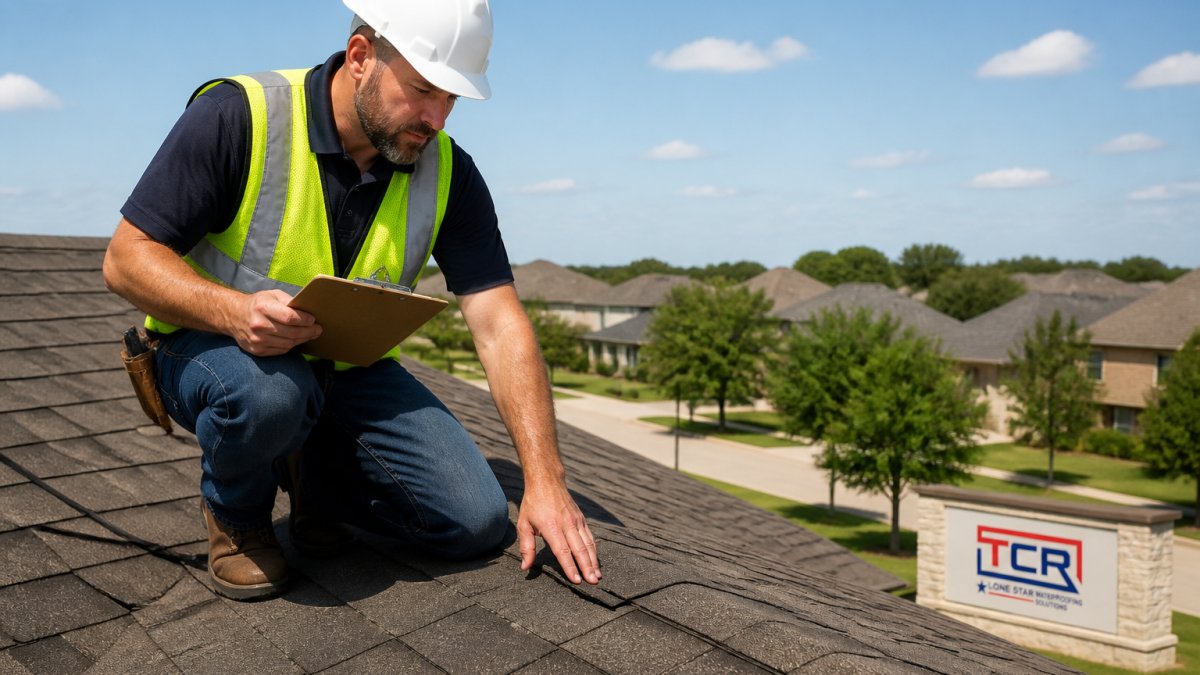
Start by verifying credentials. Check licensing through the state contractor board.
Experience matters, but relevant experience matters more. A contractor with 20 years of residential roofing may not be ideal for a commercial metal roof project.
Communication style affects the entire project. Does the contractor listen to your concerns or push you toward their preferred solution? Do they explain what they’re proposing and why?
Pricing should be competitive but not the only factor. The lowest estimate might reflect poor quality or inexperienced crews. The highest estimate might include unnecessary work.
Ask about their process for handling changes, unexpected issues, and customer communication during the project. A contractor who plans for complications and communicates proactively prevents surprises and frustration.
Choosing a roofing contractor shapes your project’s success. The right contractor combines experience, professionalism, and genuine interest in solving your specific problem.
Frequently Asked Questions
How do I choose a roofing contractor in Denton?
Start by verifying licensing, insurance, and references from past projects in your area. Check roofing contractor reviews on local business directories and the Better Business Bureau. Request written estimates from at least three contractors and compare the scope of work, materials, timeline, and warranty terms. Ask about their experience with your specific roof type, whether asphalt shingles, metal roofing, or flat roofing systems. Confirm they hold current liability and workers’ compensation insurance before signing any contract.
What should a roofing estimate include?
A detailed roofing estimate should specify the roofing materials (type and grade), the square footage of the roof, labor costs, timeline for completion, warranty coverage, and any permits required. It should break down costs for inspection, removal of old materials, installation, cleanup, and any additional work like gutter installation or flashing repair. The estimate should also note weather conditions that might affect scheduling and clarify payment terms. Avoid estimates that lack detail or use vague language about materials or workmanship.
What’s the difference between roof repair and roof replacement in Denton?
Roof repair addresses isolated damage, leaks, missing shingles, or flashing issues, and typically costs significantly less than replacement. Roof replacement involves removing the entire existing roof system and installing new materials, which is necessary when the roof is near the end of its service life, has widespread damage, or structural issues. A professional roof inspection helps determine which approach your roof needs. Repair extends the life of a sound roof; replacement is required when damage is extensive or the roof cannot be economically repaired.
What should a roofing warranty cover?
A roofing warranty typically covers defects in materials and workmanship for a specified period, commonly 15 to 20 years. It should protect against leaks caused by installation errors, material failure, and weather-related damage within the warranty term. Review whether the warranty is transferable if you sell the property, what voids the coverage (such as improper maintenance), and the process for filing a claim. Some contractors offer extended warranties on specific materials. Always get warranty terms in writing and keep documentation of maintenance to preserve coverage validity.
To upload drawings, specs and plans please go to the form on our contact page.
Get in Touch