Commercial Roof Coating Contractors San Antonio Texas

Condition-led metal and flat roof coating scopes covering candidacy, cleaning, repairs, primers, reinforced details, application, and inspection.

Discuss Your Project

Commercial roofing service

Coating a roof that is suitable to retain

A coating can protect a suitable commercial roof, but it cannot make a wet or failing roof sound. Total Cladding and Roofing assesses metal and low-slope roofs in San Antonio for repairs and coating, including the preparation needed before a new finish can adhere.

If your roof has recurring leaks, a worn coating or surface corrosion, we can help establish whether coating is a practical option or whether the problem needs a different repair.

Roofing contractors

Which roofs can be coated?

The existing surface needs to be compatible with the proposed product and firmly attached to a sound roof. Loose finishes, trapped moisture and badly deteriorated panels or membrane can prevent a successful coating application. A visual inspection and selected tests help identify these conditions before pricing.

Fix leaks before coating the roof

Failed seams, split flashing and loose fasteners need their own repairs. A field coat is not a reliable way to find or bridge every defect. The repair stage may include replacing damaged material and reinforcing selected details before the wider roof area is coated.

Existing coatings and adhesion

A new coating bonds to the surface beneath it. If the old finish is chalking, peeling or incompatible, applying another layer can leave the new coating attached to material that is already failing. Cleaning, preparation and adhesion tests help determine what can remain and where removal or primer is needed.

Coating work by roof condition

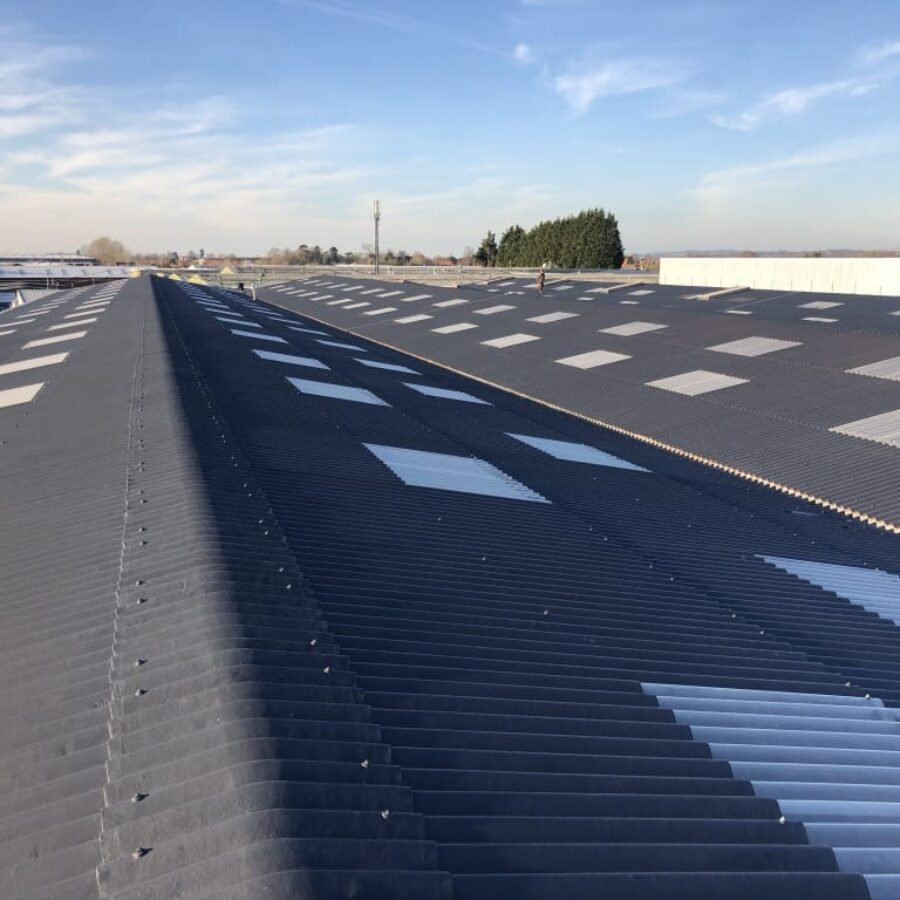
Metal roof repairs and coating

Treat suitable corrosion, repair fasteners and laps, and detail penetrations before protecting the panel surface. Perforated or weakened metal needs repair or replacement first.

Low-slope membrane coating

Identify the existing membrane and verify compatibility. Wet insulation and unsound areas need attention before a coating system is considered.

Renewal of an existing coating

Check the old product, adhesion and remaining condition. The correct renewal preparation depends on what is already on the roof.

Detailed flashing repairs

Curbs, edges, outlets and changes in direction need compatible repair materials and reinforcement where specified. These details are priced as part of the work.

Silicone, acrylic or another system?

Coating chemistry affects substrate compatibility, water resistance, application conditions and future repairs. For example, a silicone system with ponding-water resistance does not correct an inadequate drain. Product selection follows the roof condition and current manufacturer requirements, not color or price alone.

Weather and access during application

Roof surfaces must meet the product’s temperature and moisture limits. Rain, condensation and wind can delay cleaning or application. Nearby vehicles, air intakes and occupied areas also affect how the coating is applied and what protection is needed.

Understanding the quotation

The main cost differences are often preparation and detail work: cleaning, removal of loose coating, rust treatment, repairs, primer and reinforcement. Compare those items and the specified finished coating thickness. A price for a thin surface refresh is not the same work as a fully prepared restoration system.

Looking after a coated roof

Keep drainage clear and report new damage after other trades work on the roof. Walking routes, dropped tools and equipment installation can damage a coating. Future repairs need products compatible with the installed system, so retain its product and maintenance information.

Talk to our team

Request a roof coating assessment in San Antonio

Contact Total Cladding and Roofing with the property address and the roof problem. Include the existing coating name if you know it. We can discuss the inspection and testing needed before recommending a coating proposal.

Discuss Your Project

Frequently asked questions

Commercial Roof Coatings In San Antonio FAQs

Can any commercial roof be coated?

No. The surface must be compatible and sound, with moisture and existing defects addressed before the proposed coating is applied.

Will coating repair holes or loose panels?

No. Damaged metal, failed connections and other defects need their own repairs before coating.

Can a new coating go over an old coating?

Only where the old finish is suitable to remain. Adhesion, contamination and compatibility checks help establish the preparation required.

Is silicone always better than acrylic?

No. Product choice depends on the substrate, exposure, application conditions and future maintenance. Compare the specified system for your roof.

Does ponding-water resistance mean drainage can be ignored?

No. A coating does not increase drain capacity or correct the roof's fall. Persistent standing water still needs investigation.

Why do two coating quotes differ so much?

Preparation, repairs, primer, detail reinforcement and finished thickness can vary substantially. Compare those items as well as roof area.

Can the coating be applied in any weather?

No. Roof temperature, surface moisture, rain and curing conditions must fall within the selected product's limits.

Will a reflective coating reduce our energy bills?

It may reduce solar heat absorbed by the roof. Actual building savings depend on insulation, climate, HVAC use and other conditions.

Is an extra 10 or 20 years guaranteed?

No general lifespan promise applies to every roof. Review the actual proposed work and the terms of any applicable written warranty.

What information is useful before a coating survey?

The address, known roof material, existing coating name and current defects. Old product records and photographs help if available.

UK refurbishment experience, a Texas office

Refurbishment specialists

Our business grew through roof and cladding refurbishment in the UK. That experience shapes the work we now offer from our Texas office.

Repair what can be retained

We investigate the roof problem and explain what can be repaired, restored or replaced, so you can decide how to invest in the building.

Roofing and cladding together

We can coordinate roof, insulation, wall panel and drainage work, including the connections where separate repairs can leave problems behind.

A plan for your working building

We agree access, work areas and protection with your site team, including any restrictions needed while the roof is opened.

Roofing and cladding systems

Roofing systems and materials for Texas facilities

Rustoleum Logo
Sika Logo
Kingspan Logo
Morin Logo
American WeatherStar Logo
GAF Logo
TAMKO Logo
PAC-CLAD Logo
1

Tell us about the building

Start with the address and the roof or cladding problem. Photographs are helpful if you already have them.

2

Arrange a site visit

We review the affected areas and discuss how you use the building and what you want the work to achieve.

3

Review the quotation

Your quotation explains the proposed repairs or refurbishment, the areas included and the price.

4

Agree the work plan

We discuss timing, access, deliveries and protection with your site contact before work begins.

5

Complete the work

We carry out the agreed work and discuss any changes needed if opening the roof reveals additional damage.

6

Handover

We review the completed work and provide the care information and documents included in your project.