Ranch Roofing in Rocksprings, Texas

Roof repairs and replacement for ranch homes, barns and working buildings around Rocksprings. Talk to TCR about the roofs on your property.

Residential and ranch roofing

Roofing for rural homes, cabins and ranch buildings

A ranch roof still has a job to do when you are away from the property. TCR provides repairs and replacement around Rocksprings for ranch homes, barns and workshops, including properties with guest accommodation or buildings used periodically.

If a leak has appeared during a visit or an older metal roof is becoming difficult to maintain, we help you move from concern to a defined scope of work. The home and outbuildings can be assessed together, with recommendations based on the condition of each roof.

Request a roofing quote or call (210) 775-0995 to discuss your property.

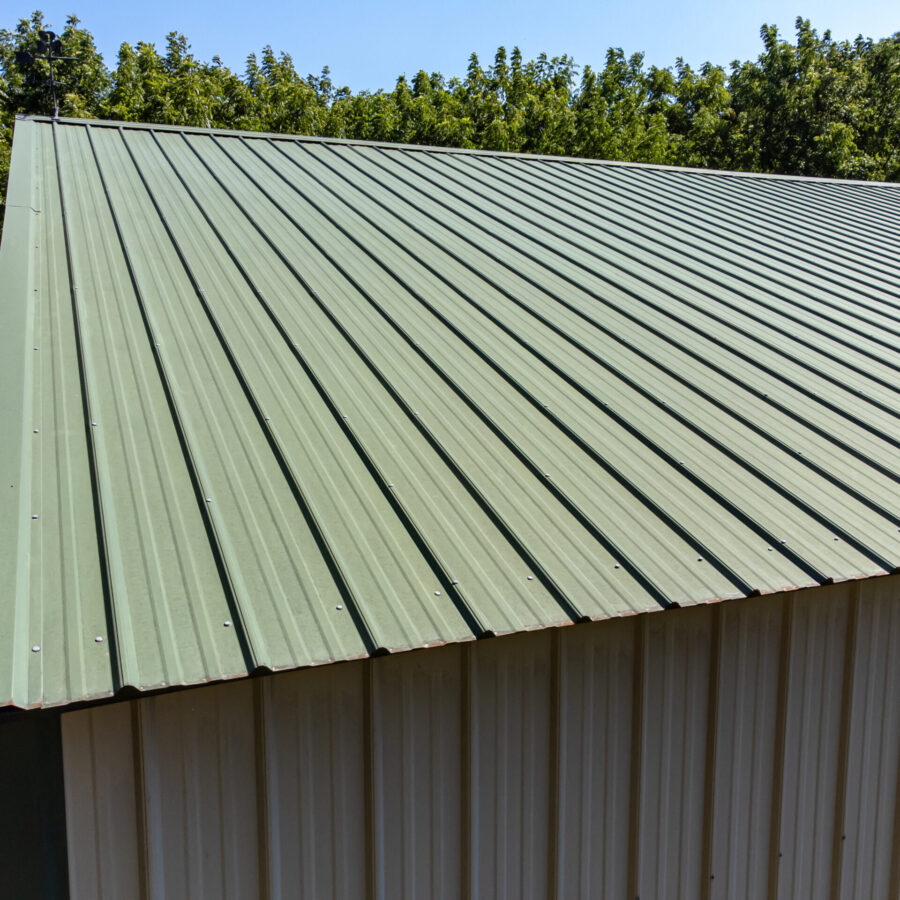
Green profiled metal roof on an outbuilding

Deal with leaks before the next period away

On a property that is not occupied every day, water entry may go unnoticed between visits. Staining, damp insulation or repeated dripping deserves investigation even when the roof looks broadly intact from the ground.

We assess the affected roof and its surrounding details. Tell us when the problem was first noticed and whether previous repairs were made. A clear account helps guide the inspection; you do not need to diagnose the fault or climb onto the roof before contacting us.

When a property is used intermittently, the history of a leak can be incomplete. You may discover a stain during a visit without knowing exactly when water entered. Share what you do know: the rooms affected, any earlier marks, the condition found on arrival and whether repairs have been made before. That information gives the assessment a useful starting point.

The roof review then considers the covering and nearby details rather than assuming the visible stain identifies the entry point. Water can travel within the assembly, and a penetration, wall connection or adjoining roof may be relevant. TCR explains the areas that need attention and the proposed work, helping you understand the issue before choosing a repair or replacement.

If the roof remains broadly serviceable, a defined repair may address the fault without renewing the whole covering. Where deterioration is more widespread, we can discuss a reroof and the associated detail work. The distinction matters when you want to make a deliberate investment in the property rather than repeat a repair whose purpose is unclear.

You do not need to inspect the roof yourself to start the conversation. Interior photographs and ground-level views already available can show the symptoms and building arrangement. The actual roof condition still needs assessment before a construction recommendation is made. Our service helps move that initial concern toward a clear scope, including any other roof areas you want reviewed while planning the project.

A record of the symptoms can also help when different people use the property. One visitor may notice a ceiling mark while another sees water near a wall during rain. Bring those observations together where possible, including the affected room or building. TCR uses that information to guide the discussion, while the roof itself determines the construction recommendation. The aim is to turn an uncertain history into a clear question for the assessment and then a repair or replacement scope that the owner can understand.

Roofing for the main home and guest spaces

Occupied rooms need more than a serviceable outer sheet. The roof assembly must connect with insulation, ventilation, walls and any lower roofs or porches. Those details are relevant whether the space is the main ranch home, a cabin or guest accommodation.

We discuss residential metal roofing and other suitable systems in the context of the building. If a barn is being converted into living space, the proposed use needs to inform the roof requirements. Our barndominium service can support that roofing conversation.

A guest building or cabin may be used less often than the main house, but occupied rooms still require a suitable residential roof assembly. The space beneath the covering, existing insulation, ventilation and connections to walls need consideration with the roofing system. The specification should reflect how the building is used rather than assume it can be treated like an open shelter.

Roof geometry also matters. A small occupied building can have a porch, an extension or a low-slope area that requires different details from the main covering. Those connections can be the source of a recurring leak. We review the relevant junctions and identify the work included, so the project addresses more than the largest visible roof surface.

If a barn is being converted, explain the intended rooms and how the rest of the construction will be delivered. The roof scope needs to connect with insulation, ceilings, walls and other building work. TCR can discuss its roofing portion and clarify the interfaces, helping the owner see which decisions belong together before the conversion proceeds.

Appearance can be part of the brief as well. You may want the guest building to relate to the main home or choose a different finish for a workshop conversion. We discuss suitable metal roofing options with the construction requirements, including the trims and visible connections that shape the completed roof. The aim is a proposal that describes the building you intend to use.

If the property includes both a main residence and guest accommodation, the roofing quotation can identify their needs separately. One building may need a full replacement while the other has a local defect at a porch or penetration. The degree of occupancy does not by itself decide the right work. We consider the construction, condition and intended use of each space. That gives the owner a more useful basis for planning the project than treating every occupied building as the same roof simply because they share one property.

Make a sensible decision about an aging metal roof

A roof with a defined flashing or fastener defect may be worth repairing. A covering with widespread deterioration can require a more extensive renewal. We assess both the visible problem and the condition of the surrounding construction.

For replacement, R-panel and standing seam offer different appearance and attachment choices where suitable. The proposal explains the selected assembly and detail work, helping you compare the complete project rather than only the panel cost.

Roof age can be useful background, but the condition of the covering and its details is what informs the next project. A roof with one failed flashing may need a different response from one with widespread panel deterioration. We assess the surrounding construction so a repair recommendation reflects more than the most obvious spot.

A repair should state its area and purpose. If it involves a penetration, panel connection or flashing, the proposal should explain the work and what remains in place. This makes it easier to understand the roof record later, particularly when several repairs have been carried out by different contractors over time.

For replacement, compare complete assemblies rather than the metal panels alone. R-panel and standing seam differ in appearance and attachment, and each selected system has its own requirements for supports, edges and penetrations. Removal, preparation and associated detail work contribute to the installed project. TCR talks through those items so you can make a useful comparison.

If part of the roof will remain, the transition between old and new work needs attention. There can be a visible difference in finish, and the construction at that boundary must be defined. We discuss whether partial renewal offers a practical result or whether a wider replacement is worth considering. The goal is a decision grounded in the roof and your plans for the property.

Include barns, shelters and workshops

The outbuildings may need a different level or type of work from the occupied home. We identify their use, roof condition and practical requirements so the scope reflects what each building protects.

A coordinated assessment can distinguish local repairs on one shelter from a barn reroof and residential work on the house. You receive a clearer set of priorities, with the option to discuss stages without losing sight of the wider property.

The outbuildings can be a separate set of decisions within the same assessment. A barn used for equipment, a workshop and an open shelter may have different internal conditions and different consequences if water enters. Identifying those uses helps set priorities without assuming every roof requires the same system or level of renewal.

An exposed-fastener covering may have repairable defects at its ridge, laps or flashings even when much of the panel field remains suitable. Where replacement is recommended, the proposal should identify the new covering and associated components. Any retained rooflights, gutters or wall connections need to be understood as part of the finished assembly.

If the building use will change, raise that before the work is agreed. A shelter being enclosed or a workshop gaining an occupied room can introduce requirements beyond renewing the outer sheets. We discuss the roofing scope in relation to that change so the new work connects with the wider building plan.

A coordinated proposal can organize these tasks by building and by priority. You may choose to repair one roof, replace another and leave a serviceable covering in use. TCR explains those choices and any proposed stages, giving you a practical way to plan the ranch roofing budget. The property can then be viewed as a set of understood roof conditions rather than a list of unrelated maintenance concerns.

A project you can understand before work starts

If you are coordinating roofing around visits to the property, clear scope and communication matter. We discuss the work areas, access arrangements, protection and the person coordinating the project before starting.

The quotation identifies removal, retained construction, selected materials and associated details. It also explains how additional work is reviewed if concealed deterioration is found. Contact TCR with the property location and what you want to repair or replace to begin planning the work.

When the owner is coordinating work around visits, clear project information is especially useful. The quotation should identify the exact roof areas, selected materials, removal, retained components and relevant detail work. You can then review the proposed result without needing to infer what a broad description such as reroof includes.

We also agree the person responsible for project decisions and how additional work will be discussed if concealed deterioration is found. A record of the newly exposed condition and an explanation of the proposed response help keep that decision separate from the original scope. This is useful whether you are present throughout the work or arranging it around other commitments.

Before starting, the practical arrangements include access to the affected buildings, storage, protection and the areas that need to be cleared. These are discussed around the agreed roofing work. They help establish what the owner needs to prepare and how the project will fit with any occupied rooms or active workshop areas.

At handover, retain the description of the completed work and the care information included in the project. For a property used periodically, this record helps explain which roof areas have been renewed and what was retained when future maintenance is considered. Contact TCR about your Rocksprings-area ranch with the buildings involved and the problem you want solved; we will discuss the route to an assessment and clear quotation.

Talk to our team

Discuss your Rocksprings ranch roofing project

Tell us which roofs need attention and what you want the work to achieve. We will discuss the property, the assessment and the route to a clear roofing quotation.

Request a roofing quote or call (210) 775-0995.

Request a Roofing Quote

Frequently asked questions

Ranch Roofing in Rocksprings, Texas FAQs

Do you work on properties that are only occupied periodically?

Yes. Tell us about the occupancy and project contact so access and communication can be planned.

Can a cabin or guest building be included?

Yes. Occupied spaces receive a roofing scope suited to their construction and use.

Can you assess an old metal roof before I choose replacement?

Yes. The condition review helps establish whether a repair or a reroof is the useful next step.

Do you offer roofing for a barn conversion?

Yes. Share the intended residential use and any drawings so the roof requirements can be reviewed.

Can several outbuildings be assessed together?

Yes. Their repair and replacement needs are identified individually within the property review.

Should I climb onto the roof to photograph a leak?

No. Existing ground-level or interior photographs and a description are enough to start the conversation.

Can the roof work be split into stages?

We can discuss a phased scope by building, with priorities, protection and retained roof areas identified.

What will the quotation cover?

The proposal identifies the agreed roof areas, removal, materials and associated detail work, plus the approach to concealed conditions.

What should I send with an inquiry?

The property location, buildings involved and a short description of the problem. Existing photographs or drawings are useful if available.

How do I contact TCR about my roof?

Call (210) 775-0995 or use the website contact form to request a roofing quote.

UK refurbishment experience, a Texas office

Refurbishment specialists

Our business grew through roof and cladding refurbishment in the UK. That experience shapes the work we now offer from our Texas office.

Repair what can be retained

We investigate the roof problem and explain what can be repaired, restored or replaced, so you can decide how to invest in the building.

Roofing and cladding together

We can coordinate roof, insulation, wall panel and drainage work, including the connections where separate repairs can leave problems behind.

A plan for your working building

We agree access, work areas and protection with your site team, including any restrictions needed while the roof is opened.

Roofing and cladding systems

Roofing systems and materials for Texas facilities

Rustoleum Logo
Sika Logo
Kingspan Logo
Morin Logo
American WeatherStar Logo
GAF Logo
TAMKO Logo
PAC-CLAD Logo
1

Tell us about the building

Start with the address and the roof or cladding problem. Photographs are helpful if you already have them.

2

Arrange a site visit

We review the affected areas and discuss how you use the building and what you want the work to achieve.

3

Review the quotation

Your quotation explains the proposed repairs or refurbishment, the areas included and the price.

4

Agree the work plan

We discuss timing, access, deliveries and protection with your site contact before work begins.

5

Complete the work

We carry out the agreed work and discuss any changes needed if opening the roof reveals additional damage.

6

Handover

We review the completed work and provide the care information and documents included in your project.