

Residential TPO and Low-Slope Roofing in Texas

TPO roofing for suitable low-slope home additions, garages and workshops. Resolve leaks and plan a replacement with TCR.

Residential and ranch roofing

Low-slope roofing that fits the rest of your home

A low-slope roof needs a roofing system designed for the way water moves across it. TCR provides TPO roofing for suitable residential extensions, garages, additions and other low-slope roof areas, with attention to the membrane, drainage and the junctions around it.

We assess the existing roof and explain the work needed to repair or replace it. Whether your main roof is metal or shingles, the low-slope section should work with the rest of the home rather than become the place where leaks keep returning.

Request a roofing quote or call (210) 775-0995 to discuss your low-slope roof.
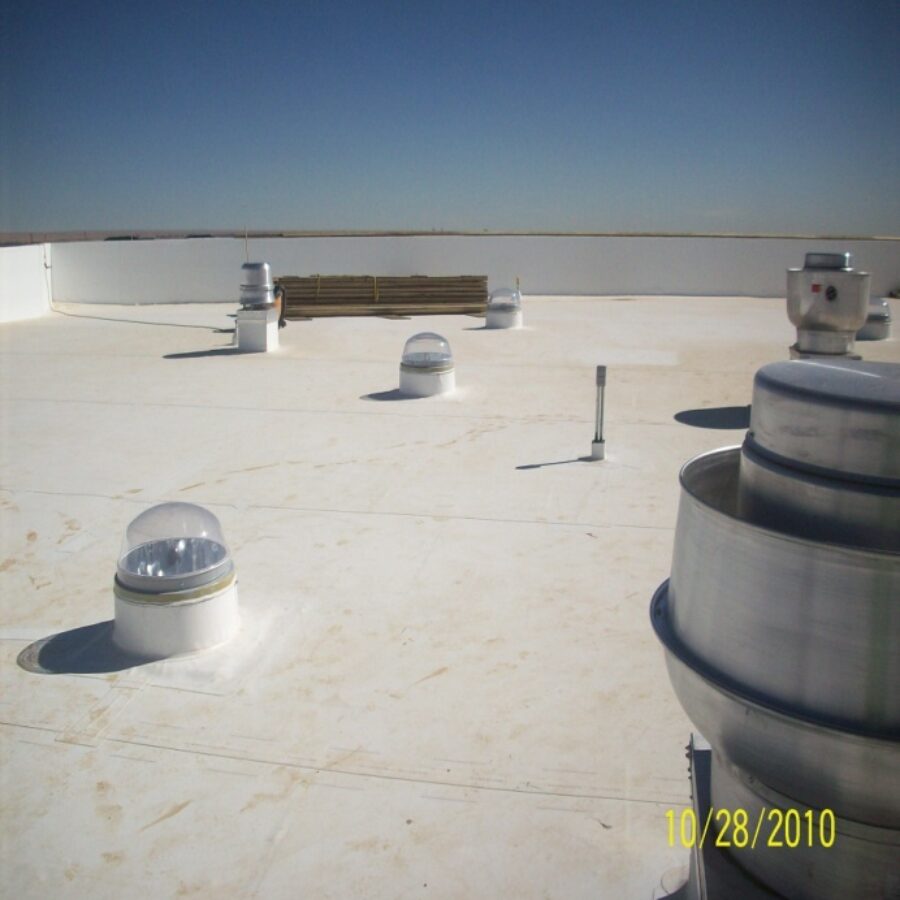
White TPO roof membrane around roof vents and skylights

A membrane roof for the right part of the home

A porch, garage or extension can have a different roof slope and construction from the main house. That changes the roofing options. TPO is a membrane system that can be considered for suitable low-slope assemblies, with compatible details at seams, edges and penetrations.

We start by reviewing the deck, existing covering and drainage. Those conditions help establish whether TPO is appropriate and what preparation is required. The proposal should describe the roof assembly, not just the visible membrane.

Resolve the details around a recurring leak

Leaks on low-slope roofs can involve seams, perimeter edges, penetrations or connections to adjoining walls. Water that remains on the roof also deserves attention. Replacing a small area of membrane without understanding those details may leave the original problem unresolved.

Our assessment considers the affected area and its surroundings. A repair may be suitable for a local defect on a serviceable roof. Where deterioration is wider or the existing construction needs more work, we explain the replacement option.

The covering, insulation and drainage work together

The deck and supporting materials must provide a suitable base for the selected roof. Insulation and attachment form part of the assembly, while drainage needs to move water toward the intended outlets and edges. These decisions affect the replacement scope.

We identify the work that can be assessed before starting and explain how concealed deterioration is handled if found during removal. That gives you a clearer comparison between quotations for what can otherwise sound like the same membrane roof.

Low-slope roofing areas we can discuss

Home additions

A membrane roof considered with the rooms below and the connection to the original house.

Garages and workshops

Repair or replacement work defined around the building’s use, deck and drainage.

Roof-to-wall junctions

The edges and vertical details where the low-slope roof meets walls or another roof system.

Existing membrane roofs

Assessment of leaks, worn covering and repair history to establish a practical repair or replacement scope.

Make the junction with the main roof part of the plan

A low-slope addition often connects to a pitched roof, wall cladding or an older part of the house. The change in material and geometry needs a deliberate detail so the work on one roof does not leave a weakness at the connection.

TCR’s roofing and cladding refurbishment experience is useful at these interfaces. If the main roof also needs work, we can discuss shingles or standing seam roofing alongside the low-slope area.

Repair or replace with the condition in view

Roof age alone does not decide the work. The membrane condition, previous repairs, deck and extent of deterioration determine what can usefully be retained. We explain why a local repair or a wider replacement is being proposed.

Where a roof serves an occupied room, the effect of ongoing leaks also matters to the project priorities. Let us know what is happening inside so the assessment starts with the problem you need solved.

Plan the work around the home

Access, removal, materials and weather protection all need to be considered before the roof is opened. We discuss how the work area relates to doors, driveways and rooms below, and how waste will be handled.

For a ranch or barndominium with several roof types, the scope can distinguish the membrane area from the metal roofs elsewhere on the property. Each system can then be specified for its own construction and use.

Understand the proposed TPO roof

Your quotation should identify the roof areas, preparation, selected membrane assembly, insulation and attachment where applicable, flashings and drainage work. Product and workmanship terms should be available for the system actually being proposed.

We will explain that scope and the next steps, helping you compare the complete job rather than an isolated square-foot price.

Talk to our team

Get a quote for your low-slope roof

Tell us the address, which roof area is involved and whether the problem is a leak, deterioration or a planned replacement. Photographs you already have are a useful starting point.

Request a roofing quote or call (210) 775-0995.

Request a Roofing Quote

Frequently asked questions

Residential TPO and Low-Slope Roofing in Texas FAQs

Is TPO suitable for a house?

It can be suitable for low-slope residential roof areas with the right deck, drainage and selected assembly. We assess the roof before recommending a system.

Can you roof a low-slope extension?

Yes. We can review the extension and its connections to the main house as part of the proposed work.

Do you repair existing TPO roofs?

We can assess local defects and the condition of the surrounding membrane to establish whether a repair is practical.

What if water stays on the roof?

Drainage and roof geometry should be reviewed with the covering. Renewing the membrane alone may not address the reason water is collecting.

Will you check the connection to the wall?

Yes. Perimeter and roof-to-wall details are an important part of the assessment and proposed scope.

Can insulation be included?

The insulation arrangement can be considered as part of the roof assembly. The quotation identifies the work included.

Can TPO and a metal roof be worked on together?

Yes. We can discuss the different roof areas and their connections in one property-level scope.

Do you remove the old roof?

The agreed scope identifies removal and any materials being retained. Existing layers and supporting conditions influence that decision.

What determines the cost?

The area, access, preparation, deck condition, insulation, membrane assembly and detail work all affect the quotation.

How do I arrange an assessment?

Call (210) 775-0995 or contact TCR with the address and a description of the low-slope roof you need help with.

UK refurbishment experience, a Texas office

Refurbishment specialists

Our business grew through roof and cladding refurbishment in the UK. That experience shapes the work we now offer from our Texas office.

Repair what can be retained

We investigate the roof problem and explain what can be repaired, restored or replaced, so you can decide how to invest in the building.

Roofing and cladding together

We can coordinate roof, insulation, wall panel and drainage work, including the connections where separate repairs can leave problems behind.

A plan for your working building

We agree access, work areas and protection with your site team, including any restrictions needed while the roof is opened.

Roofing and cladding systems

Roofing systems and materials for Texas facilities

Rustoleum Logo
Sika Logo
Kingspan Logo
Morin Logo
American WeatherStar Logo
GAF Logo
TAMKO Logo
PAC-CLAD Logo
1

Tell us about the building

Start with the address and the roof or cladding problem. Photographs are helpful if you already have them.

2

Arrange a site visit

We review the affected areas and discuss how you use the building and what you want the work to achieve.

3

Review the quotation

Your quotation explains the proposed repairs or refurbishment, the areas included and the price.

4

Agree the work plan

We discuss timing, access, deliveries and protection with your site contact before work begins.

5

Complete the work

We carry out the agreed work and discuss any changes needed if opening the roof reveals additional damage.

6

Handover

We review the completed work and provide the care information and documents included in your project.