Cotswold
- Manufacturer
- Ludowici Roof Tile
- Product
- Cotswold
- Status
- Current
- Market
- United States
- Last verified
- September 23, 2026
Overview
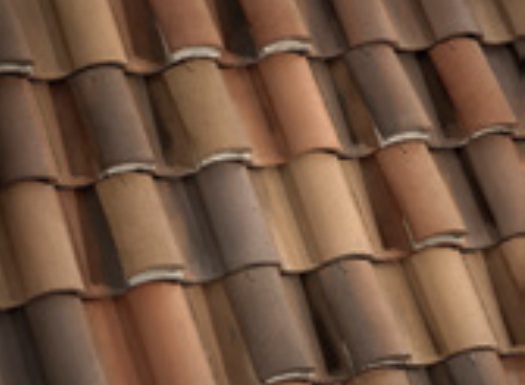
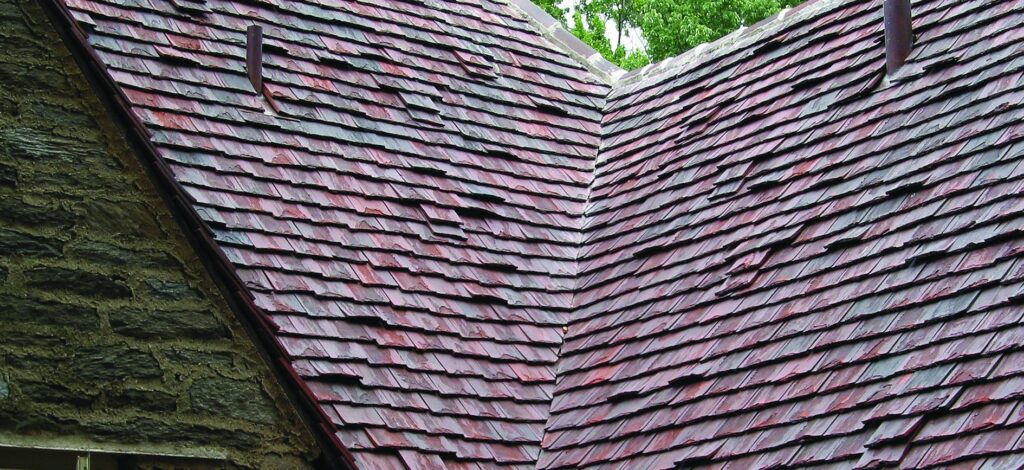
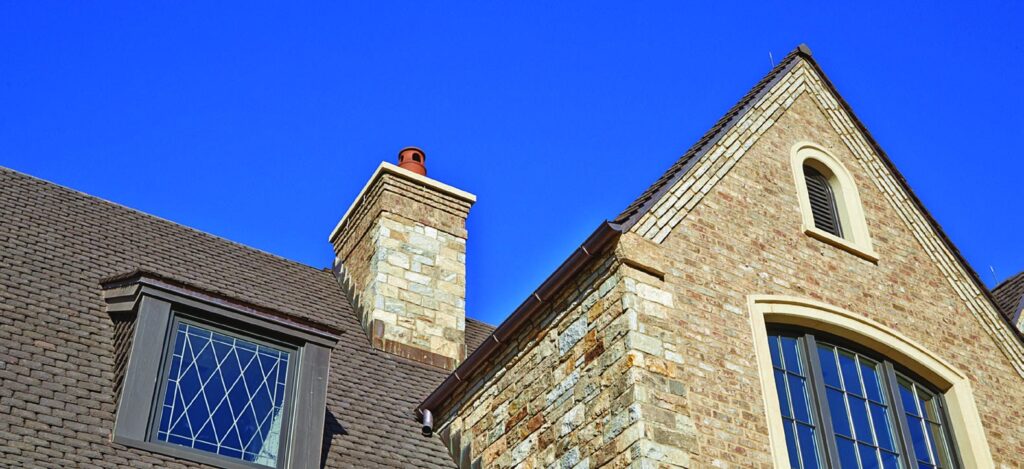
Ludowici Cotswold is a shingle tile in the Legacy Collection. It is a terra cotta residential roof tile with uneven lengths, chiseled edges and a split stone textured surface reminiscent of Cotswold stone from the English countryside. Made in America for over 130 years is printed on the Cotswold sheet.
Physical characteristics
- Weight per square: 1925 pounds
- Pieces per square: 333
- Overall size: 7 inches by 14 3/8 inches by 5/8 inch
- Exposure: 7 inches by 6 5/16 inches
- Minimum slope: 5:12
- Base texture: Stone
Data sheets and technical documents
Current files
Archived files
No older reviewed revisions are archived for this product yet.
Surface and texture
The base texture of Cotswold is Stone. Its surface is a split stone texture with chiseled edges, and its lengths are uneven. Custom textures for Cotswold are available.
Six custom textures are offered on Cotswold: Battered Butts, Brushed Butts, Hand Slushed, Hand Warped, Pin Holes and Weathered.
Colors
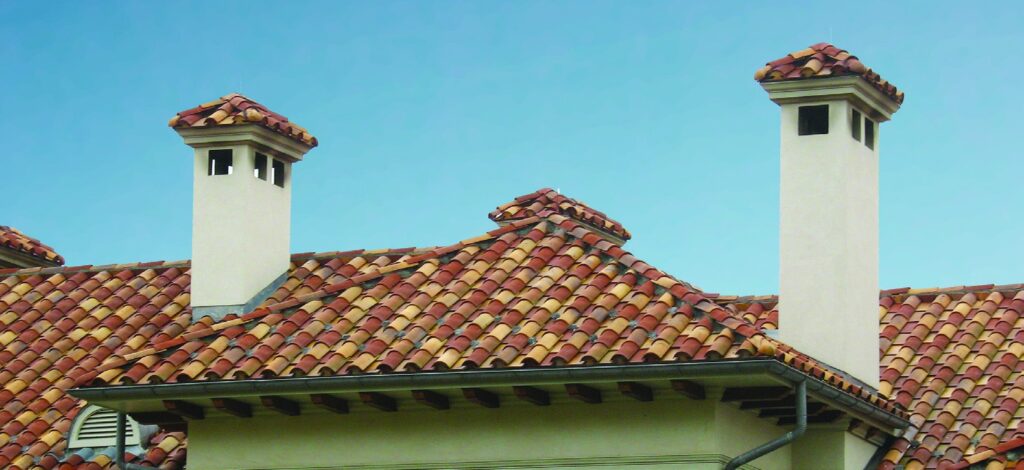
Cotswold shingle tiles are made in standard and custom matte colors, mists and blends from the Ludowici color program.
Terra cotta glazes and terra cotta textures each have their own browser on the Cotswold product page.
Approvals and certifications
- ASTM C1167 Grade 1 Roof Tile with water absorption less than 2%
Fitting pieces
The Cotswold fitting pieces are listed with actual size, exposure and weight per piece.
- Long top: actual size 7 inches by 10 1/2 inches, exposure 7 inches by 6 5/16 inches, 4.2 pounds
- Short top: actual size 7 inches by 6 1/2 inches, exposure 7 inches by 4 5/16 inches, 2.6 pounds
- End band: actual size 3 1/2 inches by 14 5/8 inches, exposure 3 1/2 inches by 6 5/16 inches, 2.9 pounds
- Under eave: actual size 7 inches by 8 1/2 inches, exposure 7 inches, 3.4 pounds
- Header course: actual size 7 inches by 14 5/8 inches, exposure 7 inches by 11 5/8 inches, 5.8 pounds
Hip and ridge trim
For hips and ridges, Cotswold is paired with four trim groups.
- V-Hip and Ridge group: V-Hip Starter, V-Hip, V-Ridge, V-Closed Ridge End and V-2 Hip 1 Ridge Terminal
- #118/#211 group: #168 Hip Starter, #118 Hip Roll, #211 Ridge, #211 Closed Ridge End and #118/#211 2 Hip 1 Ridge Terminal
- Circular Cover group: CC-Hip Starter, CC-Hip, CC-Ridge, CC-Closed Ridge End, CC-2 Hip 1 Ridge Terminal and CC-Low Bump terminal
- #102/#206 group: #152 Hip Starter, #102 Hip Roll, #206 Ridge, #206 Closed Ridge End, #102/#206 2 Hip 1 Ridge Terminal, #405 High Bump terminal and #406 High Bump Gable Terminal
The Old Style group listed for Cotswold adds a Bonnet Hip Starter, Bonnet Hip Roll, Interlocking Ridge and Aries Hip Plate. The Bonnet Hip Starter, Bonnet Hip Roll and Aries Hip Plate carry an asterisk: the roof slope on each intersecting roof plane must be identical to use those pieces on Cotswold.
Accessories
The Cotswold page defines five accessory types for hips and ridges.
- Terminal: a tile installed at the intersection of hip(s) and ridge(s)
- Ridge tile: shaped to cover the uppermost horizontal part of the roof
- Hip starter: installed at the bottom of the hip, also known as a bullnose
- Closed ridge end: a closed-end tile installed at the gable end of the ridge
- Hip tile: shaped to cover the external angle where two sloped planes intersect
Technical details
The Cotswold drawing set runs from COTSWOLD-100 at the eave to COTSWOLD-400 at the field cut valley, in PDF and AutoCAD formats.
- -100: Section at eave
- -101: Section at side wall
- -102: Section at head wall
- -103: Section at closed rake edge
- -104: Section at open rake edge
- -200: Section at V-hip
- -201: Section at #118 hip
- -202: Section at bonnet hip
- -300: Section at V-ridge
- -301: Section at #211 ridge
- -302: Section at #211 vented ridge
- -303: Section at rounded interlocking ridge
- -400: Section at field cut valley
Warranty
Cotswold is manufactured in the United States and carries the Ludowici 75-year warranty against color fading and manufacturing defects.